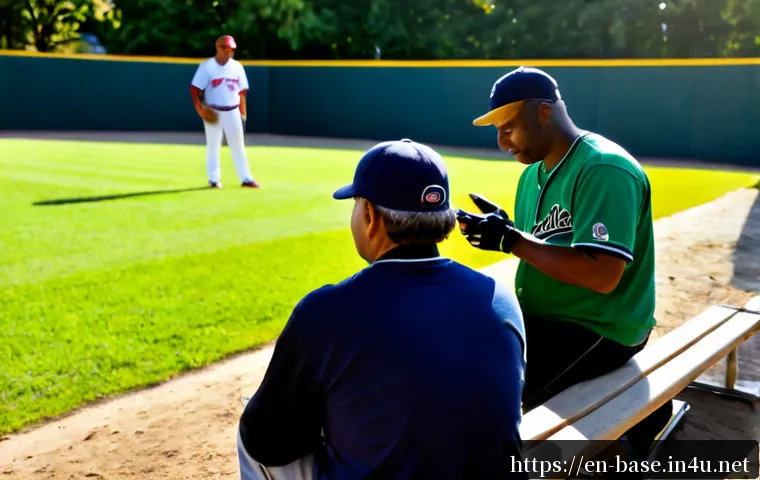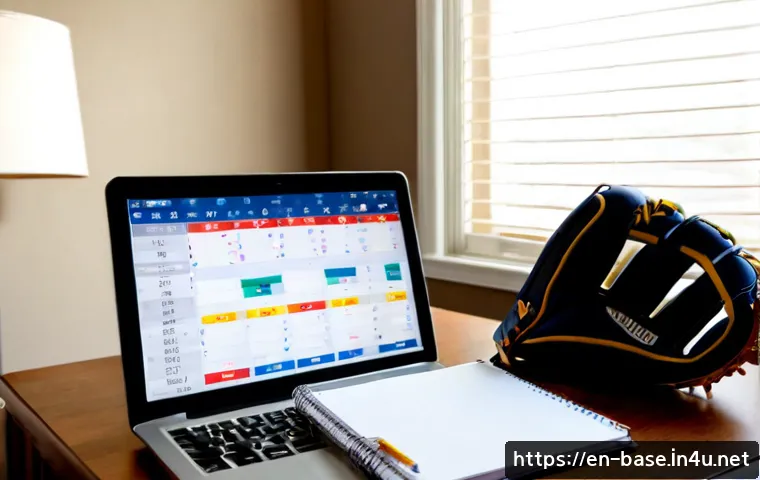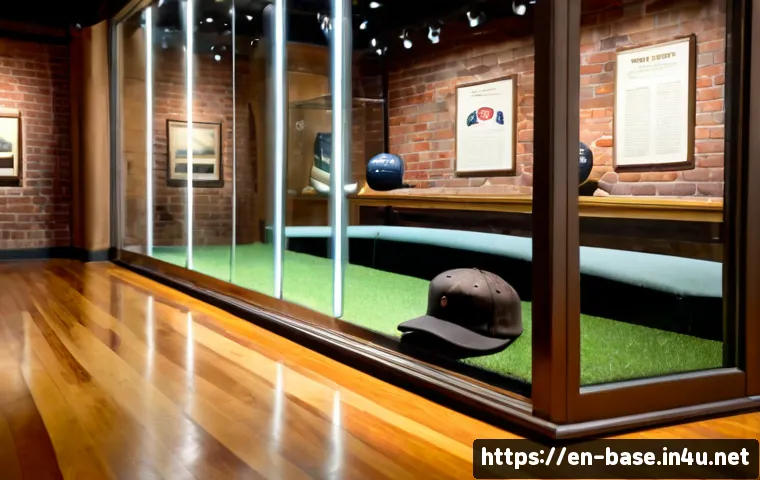
For a first baseball-history trip, the National Baseball Hall of Fame and Museum in Cooperstown offers the broadest introduction, while the Negro Leagues Baseball Museum adds essential cultural and community history.
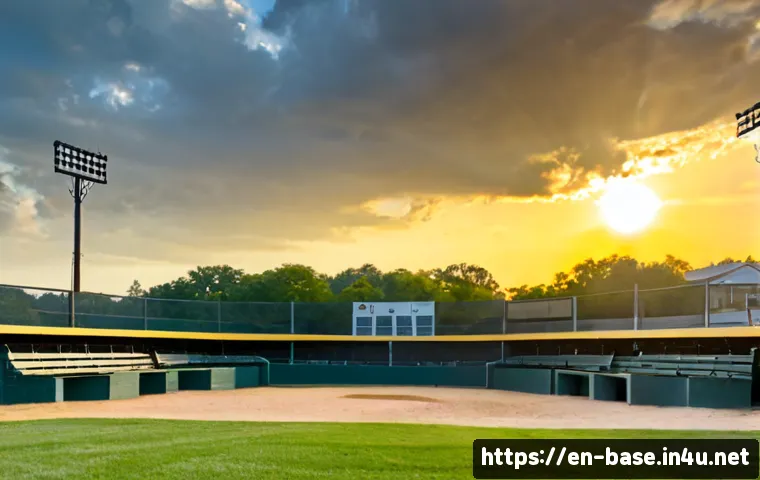
Families may prefer the hands-on feel of Louisville Slugger Museum & Factory, and travelers short on time can pair a historic ballpark tour with a city break.
The best choice depends less on finding one “must-see” stop and more on how much time you have, whether you want artifacts or live venues, and how you plan to travel.
Museum tickets, stadium tours, hotel location, parking, and local transit can shape the value of the trip. Check official visit details before booking, especially when a game or special event may affect access.
At a Glance
- First-time visitors: Cooperstown is a strong starting point for Hall of Fame exhibits, artifacts, and archives.
- Families: Louisville Slugger Museum & Factory combines baseball exhibits with bat-making demonstrations.
- History-focused travelers: Add the Negro Leagues Baseball Museum, Jackie Robinson Museum, or a historic ballpark to deepen the story.
| Destination Type | Examples | Visit Focus | Likely Extra Costs | Best For |
|---|---|---|---|---|
| Artifact-focused museum | National Baseball Hall of Fame and Museum | Hall of Fame history, memorabilia, archives | Admission, parking, lodging, transport | First-time visitors and dedicated fans |
| Community and civil-rights history museum | Negro Leagues Baseball Museum; Jackie Robinson Museum | Baseball’s cultural impact and broader social history | Admission, city transit, hotels | Heritage travelers and history-minded visitors |
| Factory experience | Louisville Slugger Museum & Factory | Bat-making demonstrations and exhibits | Admission, parking or transit, city lodging | Families and casual sports fans |
| Historic ballpark visit | Fenway Park; Rickwood Field | Architecture, atmosphere, venue-led tours | Tour ticket, game ticket, parking, local transport | Short city breaks and ballpark enthusiasts |
The Best Starting Point for a Baseball History Visit
The best first stop is usually the one that matches your available time and interest. If you want a broad view of baseball’s major figures, artifacts, and Hall of Fame exhibits, the National Baseball Hall of Fame and Museum in Cooperstown, New York is the clearest starting point. If your goal is to understand baseball alongside American cultural history, Kansas City and New York City offer more focused museum experiences.
Quick Picks for First-Time Visitors, Families, and Serious Fans
Choose Cooperstown for a wide-ranging baseball overview. Choose the Negro Leagues Baseball Museum in Kansas City, Missouri for the history and cultural impact of Negro league baseball. Choose Louisville for an experience that includes bat-making demonstrations, which can be especially appealing when traveling with children or mixed-interest groups.
Serious fans may get more value from combining a museum with a historic venue. Fenway Park in Boston opened in 1912 and remains the oldest active Major League Baseball ballpark. Rickwood Field in Birmingham opened in 1910 and is widely recognized as America’s oldest professional ballpark.
Museum Visit, Stadium Tour, or Heritage Road Trip?
A single museum visit works well when your trip has a fixed schedule. A stadium tour can be a better fit for a weekend city break, especially if you also want restaurants, city history, or a game. A multi-city baseball heritage itinerary can make sense when you have enough time to connect destinations without turning every day into a long transfer day.
Do not assume a stadium tour includes the same access every day. Field access, clubhouse access, and game-day entry can depend on the venue and date.
Compare Major Baseball Museums and Historic Ballparks
National Baseball Hall of Fame: Broad MLB History and Memorabilia
The National Baseball Hall of Fame and Museum preserves artifacts, archives, and Hall of Fame exhibits. It is a practical choice for visitors who want one destination centered on the game’s major historical narratives. Cooperstown can be worthwhile as a dedicated stop, but it also requires careful planning around transport and overnight lodging if you are not already nearby.
When comparing museum tickets and hotels, look at the full trip rather than admission alone. A lower ticket cost does not necessarily mean a lower total cost if your transport options are limited or your preferred lodging is farther away.
Negro Leagues Baseball Museum: History, Culture, and Overlooked Stories
The Negro Leagues Baseball Museum focuses on the history and cultural impact of Negro league baseball. It is an important choice for travelers who want baseball history presented in a wider social and community context. Kansas City can also suit visitors building a city-based itinerary, where local transport, parking, and nearby attractions affect the day’s pace.
This is not simply an alternative to a Hall of Fame visit. It answers a different travel question: whether you want a broad collection of baseball artifacts or a focused understanding of a foundational part of the sport’s history.
Louisville Slugger Museum: A Hands-On Factory and Baseball Experience
Louisville Slugger Museum & Factory in Louisville, Kentucky, combines baseball-related exhibits with bat-making demonstrations. That blend can make the visit easier to share with travelers who enjoy baseball but do not want an archive-heavy day. It can also fit naturally into a short city itinerary when you prefer one main attraction plus meals, walks, and other local stops.
Before purchasing tickets, verify whether the experience you want is included with general admission or handled separately. Demonstrations, guided experiences, and special offerings may have different conditions.
Historic Ballparks: Fenway Park, Rickwood Field, and Venue-Led Tours
Historic ballparks offer something museums cannot fully reproduce: the physical scale and atmosphere of a place where baseball history occurred. Fenway Park is a natural option for Boston visitors looking for a stadium tour or a baseball-centered addition to a city stay. Rickwood Field is a meaningful Birmingham stop for travelers interested in historic professional baseball settings.
A ballpark tour may be worth the added cost when the venue itself is your priority. It may be less valuable if restricted-day operations limit the areas you can see. Always compare tour availability with the game schedule, event calendar, and the specific access described for your selected date.
Budget, Time, and Trip-Planning Factors
Admission, Guided Tours, Transportation, and Lodging Costs to Consider
Build your budget around more than the museum ticket. Include admission, guided stadium tours, parking, public transit, rental car needs, hotel location, meals, and possible game tickets. A city hotel near transit may reduce parking and driving stress, while a rental car may be more practical for a destination where connections are less direct.
For a baseball-themed weekend, compare lodging options based on location as well as room category. The most convenient hotel is not always the one closest to the museum; it may be the one that makes an early tour, dinner plans, and departure-day transport easier.
How Much Time to Allow for a Museum-Only Visit or a City Weekend
A museum-only plan can work well when you have a focused travel day and confirmed entry details. A city weekend leaves room for a museum, a ballpark tour, and nearby attractions, but only if you avoid overpacking the schedule. Allow time for transit, parking, security procedures, and arrival windows for timed entry.
For a multi-city trip, treat travel days realistically. A heritage route is more enjoyable when each stop has enough time to feel purposeful rather than becoming a quick photo stop between long drives or transfers.
When Game-Day Schedules Can Affect Tour Value
Game days, private events, and venue operations can change a stadium tour’s route or access. Do not book based only on a general tour description. Confirm the date-specific details before paying, particularly if field access or a particular interior area is important to you.
How to Plan a Smooth Visit
Check Hours, Timed Entry, Tour Rules, and Accessibility Before Booking
Review current opening days, timed-entry requirements, accessibility arrangements, and special-exhibit information directly with each museum or venue. These details can change. If anyone in your group needs a specific accommodation, confirm it before finalizing tickets, transport, or hotel reservations.
Build a Realistic Itinerary Around Transit, Parking, and Nearby Attractions
Start with one anchor activity, such as a museum entry time or stadium tour. Then add nearby stops only after checking how you will arrive and leave. In a major city, public transit may be simpler than parking. In other destinations, parking availability or a rental car can be a more important part of the plan.
What to Bring and What Not to Assume Is Included
Bring your ticket confirmation, photo identification if required by the venue, comfortable walking shoes, and a backup plan for weather when your visit includes outdoor areas. Do not assume general museum admission includes a guided tour, or that a stadium tour includes game admission. Those are separate decisions unless the official details say otherwise.
Choose the Right Stop for Your Travel Style
Best for Families and Casual Sports Fans
Louisville Slugger Museum & Factory is a strong match when you want a baseball experience with a visible production element. Fenway Park can also work well for a family city break when a venue-led tour fits the schedule. Keep the day simple: one main experience, a meal break, and flexible time for travel delays.
Best for Baseball Researchers and Memorabilia Enthusiasts
Cooperstown is the most direct choice for visitors drawn to Hall of Fame exhibits, preserved artifacts, and archives. The Negro Leagues Baseball Museum is an essential complement for travelers seeking deeper context about the game’s history and cultural impact. The Yogi Berra Museum & Learning Center, located on the campus of Montclair State University in New Jersey, is another option for visitors interested in a focused museum setting.
Best for Travelers Combining Baseball with Food, Music, or City History
Kansas City, Louisville, Boston, Birmingham, and New York City each allow baseball history to sit within a larger city itinerary. The Jackie Robinson Museum in New York City explores Robinson’s life, career, and broader civil-rights legacy, making it especially suitable for travelers combining sports history with other cultural visits.
Selection Criteria and Comparison Summary
Choose by Historical Depth, Hands-On Value, Travel Cost, and Available Time
Choose an artifact-focused museum if you want a broad collection and a concentrated baseball-history day. Choose a civil-rights or community-history museum if context is as important as memorabilia. Choose a factory experience for hands-on interest, and choose a historic ballpark when the physical venue is the main attraction.
A Final Checklist Before Selecting Tickets, Tours, and Accommodations
Check the current admission terms, preferred tour date, expected transport method, parking or transit plan, hotel location, and whether a game-day schedule affects access. These small decisions often determine whether a baseball trip feels easy or rushed.
Selection Criteria and Comparison Summary
Before you commit, compare these points: the type of history you want to explore; the time required for travel and entry; whether guided access matters; the total cost of tickets, transport, and lodging; and whether the destination fits a single stop or a longer route. Compare current tour availability, nearby hotels, and transport options on the relevant official or booking pages before finalizing your plans.
In Closing
A good baseball-history trip does not need to cover every famous site. One well-chosen museum or ballpark can be more satisfying than a rushed multi-city schedule. Cooperstown, Kansas City, Louisville, Boston, Birmingham, and New York City each offer a different doorway into the sport’s past. Choose the stop that matches your interests, then confirm the practical details that make the visit work.
Useful Things to Know
1. A museum ticket and a guided experience may be separate purchases.
2. Stadium access can change on game days or event days.
3. Hotel location can affect both travel time and parking needs.
4. A city-based visit may be easier to combine with transit and other attractions than a remote single-purpose stop.
Important Notes
Admission prices, opening days, tour schedules, accessibility arrangements, and special-exhibit availability can change. Stadium tour inclusions also vary by venue and date. Confirm all current conditions directly before purchasing museum tickets, tour tickets, transport, or accommodations.
Frequently Asked Questions
Q1. Which baseball museum is best for a first-time visitor to the United States?
A1. The National Baseball Hall of Fame and Museum in Cooperstown is a strong first choice for a broad introduction to baseball history, Hall of Fame exhibits, artifacts, and archives. If you are especially interested in cultural history, the Negro Leagues Baseball Museum or Jackie Robinson Museum may better match your priorities.
Q2. Are historic ballpark tours worth the extra cost compared with a baseball museum ticket?
A2. They can be worth it if seeing the ballpark itself is central to your trip. Check the date-specific route and access first, because game days and venue events may affect what the tour includes.
Q3. How much should I budget for a weekend baseball history trip?
A3. There is no single reliable amount because costs vary by season, departure city, hotel category, transport choice, and local event calendars. Budget for admission, tours, parking or transit, lodging, meals, and any game tickets, then compare current options before booking.