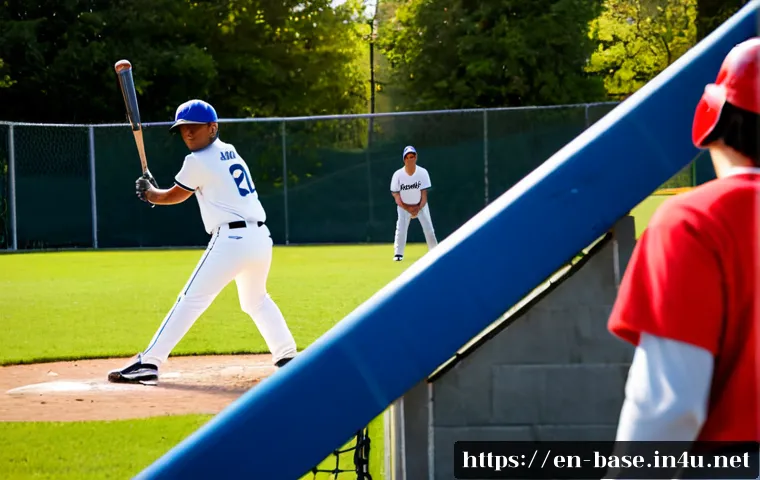
The best baseball practice drills are the ones that match one clear goal: cleaner contact, more reliable defense, controlled throwing, or faster game decisions.
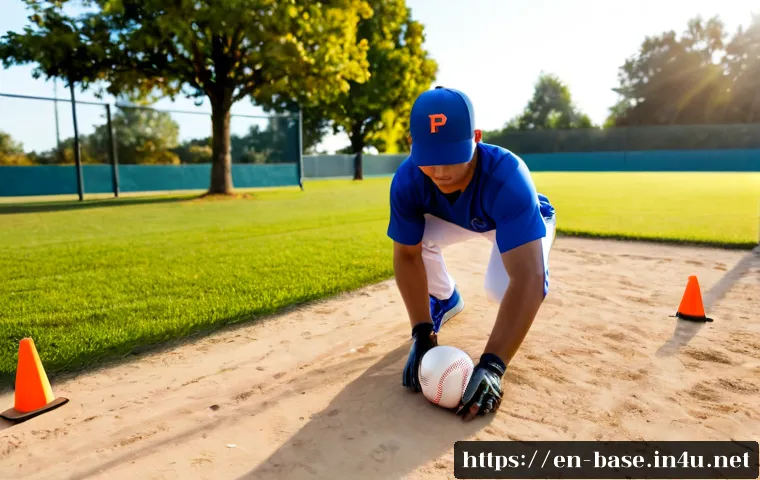
Start with simple, repeatable movements, then add speed and pressure only when the player can perform the basic skill well. A tee, net, practice balls, and cones can support useful home sessions, while batting cages, clinics, and private lessons may offer more space or feedback.
The right option depends on the player’s experience, available practice area, safety setup, and budget. Avoid buying advanced equipment or booking instruction before identifying the skill that needs the most work.
Good practice is not just more repetitions; it is better repetitions with clear feedback.
Quick Overview
- Hitting: Begin with tee work for repeatable contact, then progress to front toss and game-like decisions.
- Fielding and throwing: Build from ready position, footwork, and target accuracy before adding speed or distance.
- Game awareness: Use small-sided, game-like drills to practice choices under realistic time pressure.
| Practice Option | Cost Consideration | Feedback Level | Space Needed | Best Use Case |
|---|---|---|---|---|
| Home practice setup | Usually focused on basic equipment | Player, parent, or teammate feedback | Limited space can work | Tee work, soft hands, footwork, and simple throwing targets |
| Batting cage rental | Varies by facility and session format | Often self-directed unless an instructor is present | Provided by the facility | Focused swing practice with more room for ball flight |
| Group clinic | Shared instruction format | Coach feedback may be divided among players | Provided by the program | Skill exposure, team drills, and structured practice |
| Private baseball coaching | Compare total session cost and format | More individual attention | Depends on coach and facility access | Specific movement feedback or a targeted development goal |
Start With the Practice Goal, Not a Random Drill List
A productive baseball practice starts with one question: what should improve today? A player who needs cleaner contact does not need the same session as a player working on ground-ball transfers or throwing accuracy. Separating practice into hitting, throwing, fielding, baserunning, and game-decision work makes each drill easier to choose and evaluate.
Three Quick Priorities: Cleaner Contact, Reliable Defense, and Controlled Throwing
For hitting, prioritize balanced setup, a repeatable swing path, and contact quality. For fielding, focus on a ready position, moving through the ball, and making a clean transfer. For throwing, start with warm-up routines, basic mechanics, footwork, and a clear target. These foundations are often more useful than jumping immediately into difficult or high-speed drills.
A Simple 60-Minute Practice Structure for Most Players
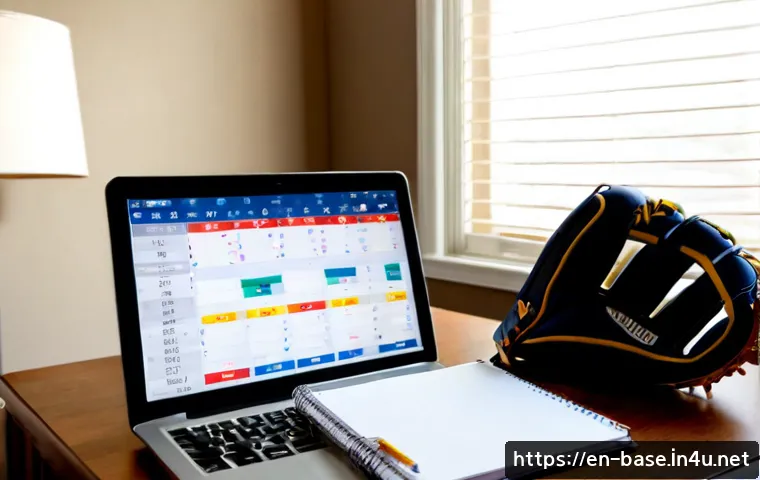
A simple session can include a warm-up, one primary skill block, one secondary skill block, and a short game-like activity. For example, begin with movement and throwing preparation, move into hitting or fielding repetitions, then finish with a drill that requires a decision. Keep the plan flexible. If movement quality drops, slow the drill down, change the task, or stop rather than forcing low-quality repetitions.
How to Track Improvement Without Relying Only on Batting Average
Batting average does not show every practice gain. Track whether contact is becoming more consistent, whether throws reach the intended target more often, or whether fielding transfers are cleaner under pressure. A player can also note whether they understood the situation and made the right decision. Quality of movement and quality of decisions are useful practice markers.
Match Drill Types to Skill Level and Practice Space
Drill difficulty should fit the player’s age, physical development, experience, and current skill level. A beginner may benefit from a stationary tee and simple ground balls, while an experienced player may need a faster, more variable drill. The available space matters too: a driveway, backyard, indoor area, field, or training facility each supports different work.
At-Home Drills for Limited Space
A basic home setup can support meaningful practice. A tee and net can create a controlled hitting area when used with appropriate safety awareness. Cones can mark footwork paths, and practice balls can support hand-eye coordination or fielding work. Keep drills simple: tee contact to a target area, ready-position repetitions, short movement patterns, and controlled transfers.
Field-Based Drills for Team Practices
Fields allow players to add distance, live movement, communication, and realistic angles. Team practices work well for ground-ball approach drills, fly-ball communication, relays, baserunning reads, and small-sided game situations. Avoid placing most players in one long line. Set up stations when possible so each player gets more useful repetitions.
When Batting Cages, Indoor Facilities, or a Coach Can Add Value
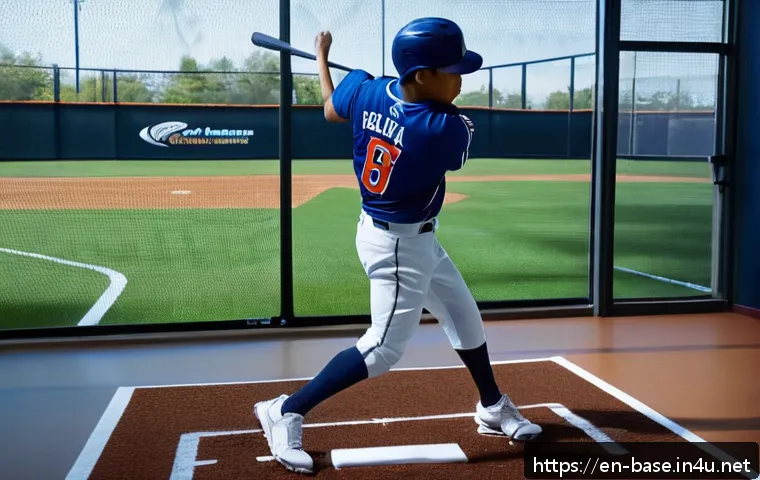
Batting cages may be useful when a player needs a dedicated hitting environment or more room than home practice allows. Indoor facilities can help when weather or field access is limited. Private instruction may add value when a player needs clear, individualized feedback on a specific skill. Before paying, consider whether the service solves a real practice problem rather than simply adding more activity.
Hitting, Fielding, Throwing, and Baserunning Drill Progressions
Hitting Drills: Tee Work, Front Toss, and Live Decision-Making
Start with tee work to build a repeatable setup and controlled contact. Use a target on the net or a simple contact goal so the player has feedback beyond “swing harder.” Front toss can add timing after the player can make stable contact from the tee. Later, game-like hitting work can ask the player to recognize a pitch location or make a quick decision. Do not move to faster drills just because they look more advanced.
Fielding Drills: Ready Position, Ground-Ball Approach, and Transfer Speed
Fielding progression begins with a balanced ready position. Then add a short approach to a rolling ball, proper body control, and a clean transfer into a throwing position. Cones can help define where the player starts and where they should move. As skill improves, change the angle, pace, and decision after the fielding play. The goal is not only to field the ball, but to prepare for the next action.
Throwing Drills: Footwork, Target Accuracy, and Safe Workload Awareness
Throwing practice should include warm-up routines, mechanics, workload awareness, and recovery. Begin with controlled throws to a clear target while paying attention to footwork and body position. Increase complexity through movement, different throwing angles, or a quicker transfer—not automatically by adding more throwing. Throwing volume and intensity should be appropriate for the individual player. If there is uncertainty about fatigue, injury history, or a safe workload, seek qualified local guidance.
Baserunning Drills: First-Step Reactions and Reading the Ball
Baserunning drills should develop quick reactions and better reads, not just straight-line running. Practice reacting to a ball in play, leaving on a visual cue, rounding a base under control, and deciding whether to continue or stop. Small-sided drills can create realistic time pressure without needing a full game.
Practice Mistakes That Limit Progress or Increase Risk

Choosing Drills That Are Too Advanced or Too Repetitive
A difficult drill is not automatically a better drill. When players cannot perform the basic movement, speed often hides the problem instead of fixing it. Repetition also loses value when there is no feedback. Use a simple cue, watch the result, and adjust the next repetition.
Long Standing Lines and Low-Rep Practice Sessions
Long lines reduce movement and limit learning. A player may wait much longer than they practice. Use stations, partner work, or small groups to increase meaningful touches. Keep each station connected to the practice goal rather than filling time with unrelated drills.
Ignoring Warm-Ups, Protective Equipment, and Throwing Fatigue
Warm-ups and protective equipment are part of practice, not optional extras. Use batting helmets and protective screens where appropriate, and make sure footwear fits the surface. Watch for declining throwing quality or fatigue. Continuing through poor mechanics can turn a useful session into unproductive repetition.
Practice Plans for Different Player Needs
Beginners Building Confidence With Basic Movement Patterns
Beginners benefit from predictable drills: tee contact, simple catches, controlled rolling ground balls, and short target throws. Keep instructions brief and give one correction at a time. Confidence grows when players can see small wins and understand what they are trying to improve.
Infielders, Outfielders, Catchers, and Pitchers: Position-Specific Emphasis
Infielders may emphasize ready position, ground-ball approach, and fast transfers. Outfielders can work on ball tracking, movement angles, and communication. Catchers may need practice with receiving, blocking movements, and quick decision-making. Pitchers should give special attention to throwing preparation, mechanics, workload, and recovery. Position work should supplement—not replace—basic hitting, fielding, and game awareness.
Players Preparing for Tryouts, a New Season, or Recreational Leagues
For tryouts or a new season, focus on dependable basics that show up quickly: controlled throwing, clean fielding actions, consistent effort, and awareness of game situations. Recreational players may benefit most from sessions that keep practice safe, active, and enjoyable. Build the plan around the level of competition rather than copying a high-level training routine.
Choosing Equipment and Training Support: A Comparison Summary
A tee, net, practice balls, cones, and a safe hitting or throwing area can be enough for many basic skill sessions. Consider batting cage rentals when space is the main limitation, group clinics when a player benefits from structured team practice, and private lessons when individual feedback is the missing piece.
Before choosing equipment, a facility, or instruction, check the practice goal, safety setup, available space, coach qualifications, session format, facility access, and total cost. Compare session format, safety setup, and total cost before booking. Official program details and facility rules should be checked on the relevant provider page.
Conclusion
Better baseball practice does not require a huge drill list. It requires a clear goal, an appropriate level of difficulty, and feedback that helps the player adjust. Start with basic movements, create more useful repetitions, and add game pressure only when the foundation is stable. Equipment and paid training support can help, but they work best when chosen for a specific need.
Useful Information to Know
1. A low-cost home setup may be enough for basic hitting, footwork, and hand skills.
2. Batting cages provide space, but they do not automatically provide coaching feedback.
3. Group clinics and private lessons can differ widely in format, coach qualifications, access, and cost.
4. Small-sided drills can help players practice decisions under more realistic pressure.
Important Notes
The right drill, throwing intensity, and practice schedule depend on the player’s age, position, physical development, experience, injury history, available space, and goals. Local facility rules, coaching availability, pricing, and program quality vary. When selecting a training program or instructor, verify the details directly before committing.
Frequently Asked Questions
Q1. What baseball drills are best for beginners practicing at home?
A1. Beginners can start with tee work into a net, simple catch-and-throw work, ready-position repetitions, controlled ground balls, and cone-based footwork. Choose drills that fit the available space and allow safe, clear feedback.
Q2. Is paying for private baseball lessons worth it compared with team practice or batting cages?
A2. Private lessons may be useful when a player needs individualized feedback on a specific skill. Team practice can provide game situations and shared repetitions, while batting cages can provide a dedicated hitting space. Compare the player’s goal, the coach’s qualifications, session format, safety setup, and total cost.
Q3. How often should a player practice throwing drills without overdoing it?
A3. There is no single appropriate amount for every player. Throwing work should account for age, physical development, current skill level, mechanics, workload, recovery, and injury history. Use warm-ups, monitor fatigue and movement quality, and seek qualified guidance when an individual workload is uncertain.
Contents
How to Learn Baseball Commentary: Skills, Practice Drills, and Training Options