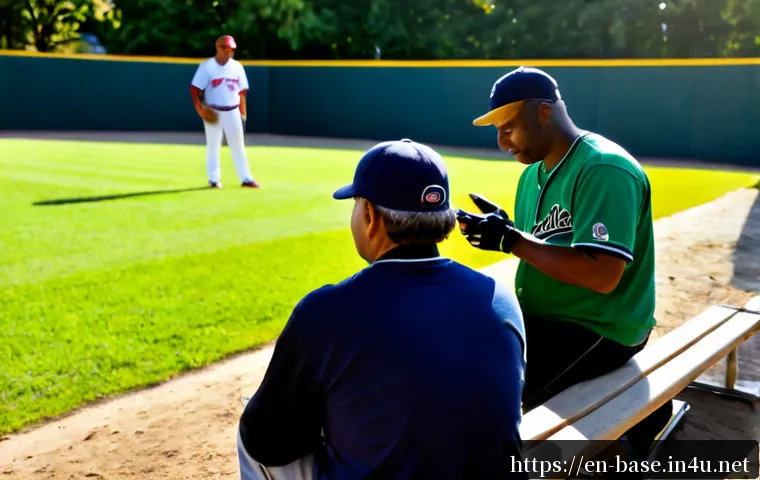
Choose the baseball experience first: casual pick-up play, an organized recreational league, skill-focused training, or a non-playing community role. Then compare the group’s skill level, schedule, total costs, location, and communication before committing.
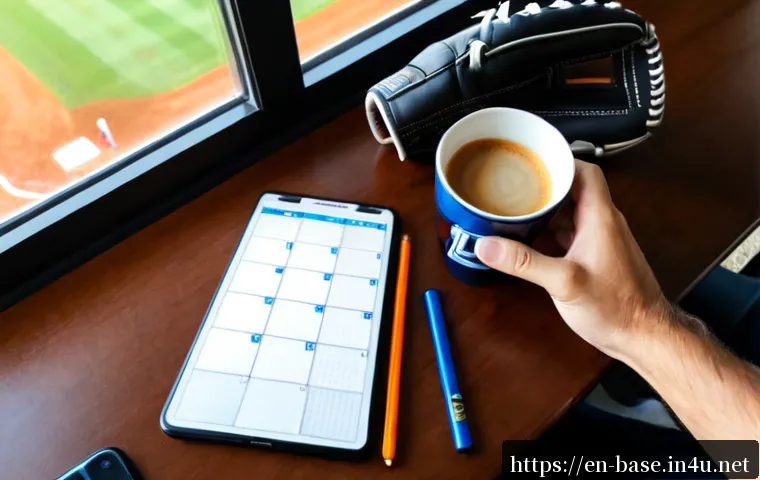
Local parks departments, recreation centers, social groups, batting facilities, and existing players are practical places to start. League dues can cover items such as field permits, umpires, insurance, uniforms, and administration, but the details vary by group.
A first practice or trial session is often the clearest way to judge whether the pace, culture, and logistics fit your routine.
At a Glance
- Choose between casual games, organized league play, training sessions, or baseball-related volunteer and fan groups before searching.
- Compare skill expectations, schedule reliability, total cost, travel, and equipment needs, not just the registration fee.
- Attend a first session when possible and confirm payment terms, field conditions, communication, and injury procedures.
| Option | Commitment | Typical Expenses | Best Fit |
|---|---|---|---|
| Pick-up games | Flexible; attendance may change | Personal gear, transport, and any shared field costs | Adults seeking low-pressure play and social activity |
| Social recreational league | Regular games and team communication | Registration dues, equipment, travel, and possible uniform costs | Players who want a schedule without a highly competitive environment |
| Competitive or tournament team | Higher attendance and travel expectations | Dues, equipment, travel, and possible tournament-related costs | Experienced players who want structured competition |
| Batting group or clinic | Session-based or membership-based | Facility access, coaching, equipment, and transport | Beginners, returning players, and people focused on skill development |
Start by Choosing the Baseball Experience You Actually Want
The fastest way to find a suitable baseball hobby group is to define what “joining” means to you. Some people want to play a relaxed game after work. Others want regular league games, batting practice, coaching, or simply a baseball community without playing. Your goal determines where to search and what costs are reasonable.
Casual Pick-Up Games for Low-Commitment Play
Pick-up games can work well if your availability changes from week to week. These groups may meet at public fields, community parks, or informal practice spaces. The main advantage is flexibility, but attendance, field availability, and game structure can be less predictable.
Ask whether players bring their own gloves, bats, balls, and protective gear. Also confirm whether the group has a regular organizer and how weather cancellations are communicated.
Organized Recreational Leagues for Regular Schedules
An adult recreational baseball league is usually a stronger fit for people who prefer planned games, assigned teams, and clearer rules. Registration fees may help cover field permits, umpires, insurance, uniforms, and administration. What is included varies, so do not assume every league provides the same items.
Before paying dues, ask about the schedule, roster openings, makeup games, expected attendance, and whether the league is social, beginner-friendly, or competitive.
Batting Groups, Clinics, and Training Sessions for Skill Development
Batting cages, indoor training facilities, group clinics, and independent coaching sessions can be useful when you want to improve before joining games. A facility membership or paid coaching option may make sense if it gives you consistent practice access and instruction that matches your goals.
For a beginner, a training-based group may feel less intimidating than immediately joining a full league. Check whether equipment rental is available and whether the session is designed for your experience level.
Fan, Scorekeeping, and Volunteer Groups for Non-Playing Involvement
You do not need to play to be part of a local baseball community. Fan groups, scorekeeping opportunities, coaching clinics, and volunteer organizations can offer a social connection around the sport. This route can suit people who enjoy baseball but do not want the physical demands or schedule commitment of playing.
Where to Look for Nearby Baseball Communities
Start with sources that are likely to have current local information rather than relying on old listings. Current roster space, field access, and seasonal schedules can change.
Parks and Recreation Departments, Community Centers, and Field Noticeboards
Local parks and recreation departments often organize community sports programs or list local activities. Community centers and field noticeboards may also display league information, practice groups, clinics, or volunteer opportunities. Look for details about age rules, registration periods, and contact methods.
Local Social-Event Platforms and Neighborhood Groups
Social-event platforms and neighborhood groups can be useful for finding informal pick-up games or newly formed teams. Search with practical terms such as “adult recreational baseball,” “baseball pick-up,” “batting practice,” or your city and nearby neighborhoods. Read recent posts carefully because a group may still exist online without actively accepting players.
Batting Cages, Indoor Training Facilities, and Independent Coaches
Batting facilities often know which groups need players or hold regular practice sessions. They can also be useful if you want to test your interest before investing in league registration. Ask staff about group sessions, equipment rentals, coaching options, and whether they know of beginner-friendly local opportunities.
Asking Sports Stores and Existing Players for Current Openings
A local sports store or an active player may know about roster needs that have not been widely posted. This can be especially helpful during a season, when a team may be looking for an extra player. Treat informal recommendations as a starting point, then verify the schedule, costs, and group expectations directly with the organizer.
Compare Commitment, Cost, and Skill Level Before You Join
A group can look affordable at first and still become inconvenient if travel, equipment, or missed-work conflicts add up. Compare the total practical commitment, not just the advertised fee.
Pick-Up Games vs. Social Leagues vs. Competitive Teams
Pick-up games are usually the most flexible option, but they may have fewer guarantees about field time, team balance, or turnout. Social leagues generally offer more structure and regular communication. Competitive teams can require stronger skills, more dependable attendance, and more travel.
If you are uncertain, choose the option with the lowest commitment that still gives you a real chance to play. You can move into a more organized league later.
What Registration Dues May Cover—and What They May Not
Adult league dues may contribute to permits, umpires, insurance, uniforms, and administrative work. They may not include every piece of equipment, personal travel, optional coaching, or all uniform items. Ask for a clear explanation of what payment covers, when it is due, and whether there are cancellation or refund policies.
Budgeting for a Glove, Footwear, Protective Gear, and Travel
Basic baseball equipment may include a glove, athletic clothing, and cleats or turf shoes. Depending on the activity, protective gear may also be needed. Do not buy a full set of equipment before you know the group’s rules and field surface requirements. A practice session or batting facility visit can help you identify what you actually need.
When Paid Coaching or Facility Memberships Provide Real Value
Paid coaching and batting-cage memberships are most useful when they solve a specific problem: you need regular reps, want instruction, or lack a reliable place to practice. They are less useful if your real priority is meeting people for occasional games. Match the service to your goal instead of assuming a paid option is automatically better.
Contact Groups and Attend a First Session Safely
A short conversation before attending can prevent awkward surprises. A well-run group should be able to explain basic logistics without pressure.
Questions to Ask About Roster Space, Experience Level, and Attendance

Ask whether the group is accepting new people, what experience level is typical, how often games or practices occur, and what attendance is expected. If you are returning after a long break, say so directly. The right group will give you enough information to decide whether the pace is realistic.
Confirming Payment Terms, Cancellation Policies, and Injury Procedures
Before sending money, confirm the payment amount, what it covers, and what happens if games are canceled or you cannot continue. Ask whether there are injury procedures and whether the group has insurance arrangements. Coverage details can differ, so review the group’s official information rather than making assumptions.
Checking Field Conditions, Communication Habits, and Respectful Conduct
At a first session, notice whether organizers communicate clearly about weather, field changes, and start times. Look at the field condition and whether players use appropriate safety practices for the activity. Group culture matters too: respectful communication is a good sign, while pressure to pay immediately or dismissive behavior is a reason to pause.
Avoiding Common Mistakes
Do not buy expensive equipment before confirming the activity type. Do not join a competitive team simply because it has an opening if the skill level does not match yours. And do not treat an unclear fee structure as a minor issue—clear payment terms are part of a well-organized recreational group.
Find the Best Match for Your Schedule and Goals
Best Path for Complete Beginners
Look for beginner-friendly clinics, casual batting groups, or social leagues that clearly welcome new players. A first practice can be a lower-pressure entry point than committing to a full season.
Best Path for Former Players Returning After a Long Break
Start with a practice session, batting facility, or social league. This gives you time to assess your comfort level, equipment needs, and recovery needs before taking on a more demanding schedule.
Best Path for Busy Adults Who Need Flexible Attendance
Pick-up games and session-based batting groups can offer more flexibility than a team with regular league obligations. Check how organizers handle late cancellations and weather changes before relying on the group.
Best Path for People Who Want Community Without Competitive Pressure
Consider fan groups, volunteer roles, scorekeeping, or relaxed social leagues. These options can provide a baseball connection without the expectation of high-level performance.
Selection Criteria and Comparison Summary
Use this five-point check before joining: level, schedule, total cost, location, and group culture. Confirm whether the skill level fits you, whether game times work with your routine, and whether dues plus gear and travel remain comfortable. Compare the distance to fields or training facilities, especially if weather or traffic could make attendance difficult. Finally, review how the group communicates and whether its expectations are clear. For official details on league dues, facility memberships, equipment rentals, or insurance terms, check the organizer’s or provider’s information page before paying.
When a League Is Worth the Dues
A league may be worth the dues when you value regular scheduling, organized games, umpires, field access, and a consistent team structure. The key is knowing exactly what is included and whether you can realistically attend.
When Casual Games or Facility Sessions Are Better Value
Casual games can be a better option when you need flexibility and mainly want to play for fun. Facility sessions may be better when you want practice time or coaching without committing to a season.
A Simple Decision Path for Your First Group
If you want flexibility, start with pick-up games. If you want regular games, compare recreational leagues. If you want improvement first, try a batting group or clinic. If you mainly want baseball community, explore fan and volunteer opportunities.
In Closing
Finding a local baseball hobby group is less about locating the largest list of teams and more about choosing the right format for your life. Start with your goal, then check practical details before committing. A first visit can reveal more than a long online description. The best group is one you can attend comfortably and enjoy returning to.
Useful Things to Know
Weather matters: outdoor baseball schedules can change because of field conditions and seasonal calendars.
Ask before buying: equipment requirements differ by group, facility, and activity.
Keep records: save payment confirmations and written details about dues, cancellations, and schedules.
Important Notes
Fees, insurance coverage, age rules, roster openings, equipment requirements, trial-session availability, and field access vary by local group. Confirm these details directly with the organizer or facility. This guide is a framework for comparing options, not a guarantee that a specific group is suitable, safe, or currently accepting new members.
Frequently Asked Questions
Q1. How much does it cost to join an adult recreational baseball league?
A1. Costs vary by league and location. Registration dues may help cover field permits, umpires, insurance, uniforms, and administration, but you may also need to budget for personal equipment, travel, and items not included in the fee. Ask the organizer for a full breakdown before registering.
Q2. Can a beginner join a baseball hobby group without owning full equipment?
A2. It depends on the group and activity. Some beginner sessions or batting facilities may have equipment rental options, while games may expect participants to bring basic items such as a glove and suitable footwear. Ask what is required before attending or buying gear.
Q3. Are local pick-up baseball games safer or cheaper than joining an organized league?
A3. Neither option is automatically safer or cheaper. Pick-up games may involve less formal commitment, while organized leagues may have clearer rules, schedules, and administrative arrangements. Check field conditions, communication practices, equipment expectations, payment terms, and injury procedures for the specific group.

Contents
How to Learn Baseball Commentary: Skills, Practice Drills, and Training Options