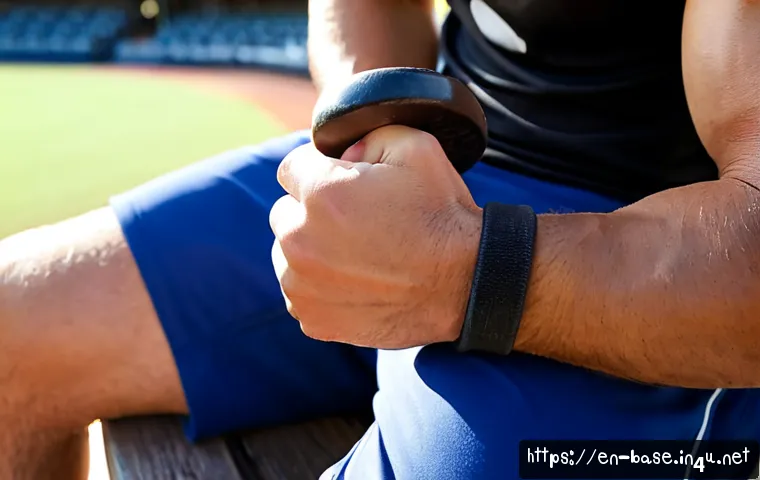
Baseball wrist training should build grip strength, controlled wrist motion, and forearm rotation without forcing painful movement. For most healthy players, a basic resistance band set and light loading options are enough to begin; ongoing symptoms, throwing pain, or notable weakness call for a more careful assessment.
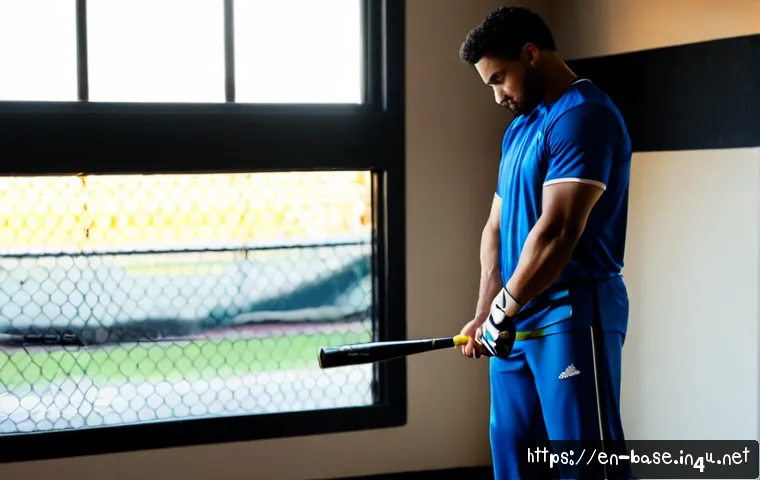
The wrist and forearm work together in throwing, batting, catching, and ball control, so training only one movement is rarely a complete plan. Start with control, then progress resistance gradually instead of adding load, volume, and frequency all at once.
Equipment can be useful, but it does not replace sound throwing mechanics, shoulder conditioning, recovery, or workload management. Parents and coaches should place technique and symptom checks ahead of harder resistance.
At a Glance
- Train both sides of the wrist: include flexion, extension, side-to-side control, rotation, and grip work.
- Start with simple tools: resistance bands and light dumbbells can support controlled progression for many players.
- Do not train through warning signs: persistent pain, swelling, weakness, numbness, or reduced motion needs attention.
| Option | Best Use | Key Limitation | What to Check Before Choosing |
|---|---|---|---|
| Resistance bands | Portable, lower-load wrist motion and forearm control | Resistance can be hard to judge precisely | Comfortable handles or loops, controlled tension, and a secure setup |
| Light dumbbells or cables | More measurable loading for wrist and forearm exercises | Easy to use too much resistance too soon | Whether the athlete can move without momentum or pain |
| Grip trainers and wrist rollers | Grip-focused work and forearm endurance | They do not cover every wrist movement | Comfort, hand fatigue, and whether extension work is also included |
| Weighted balls | A specialized throwing-related training context | Not a stand-alone wrist-strength solution | Coaching, throwing workload, mechanics, and recovery planning |
| Private coaching or sports physical therapy | Individual form review, program structure, or symptom assessment | Requires time and a higher level of investment | Relevant qualifications, clear assessment process, and baseball context |
What Baseball Players Need From Wrist Training
Baseball players need wrists that can create and control motion, not simply squeeze harder. The wrist and forearm contribute during throwing, batting, catching, and ball control. A useful plan develops grip, wrist flexion, wrist extension, radial and ulnar deviation, and forearm rotation while keeping movements steady and comfortable.
The Quick Answer: Train Grip, Controlled Wrist Motion, and Forearm Rotation
A balanced routine includes the muscles that bend the wrist and the muscles that straighten it. It also includes side-to-side motion and pronation/supination, which are forearm rotation movements. This wider approach helps avoid the common mistake of treating a grip trainer as a complete baseball wrist program.
Why Stronger Wrists Are Only One Part of Throwing and Hitting Performance
Stronger wrists may support control, but wrist work does not replace throwing-mechanics practice, shoulder conditioning, recovery, or workload management. A player who adds wrist exercises while ignoring fatigue or poor mechanics may simply move stress somewhere else. Treat wrist strength as one piece of overall baseball training.
Three Signs to Reduce Training Load Instead of Pushing Harder
Reduce or pause loading when pain persists during or after training, when swelling or weakness appears, or when numbness or reduced range of motion develops. These are not normal soreness signals to “work through.” Throwing pain also changes the plan: adding more grip work or heavier resistance is not a reliable answer.
Compare Training Tools Before You Buy
Buying equipment should follow the athlete’s current needs, not a marketing claim. The best choice is usually the tool that allows controlled movement, gradual progression, and consistent use without provoking symptoms.
Resistance Bands for Portable, Low-Load Wrist Work
A resistance band set is often a practical starting point for wrist flexion, extension, side-to-side motion, and rotation drills. Bands are portable and can make it easier to begin with lower resistance. Check that the band setup is secure and that the athlete can keep the elbow and shoulder from taking over the movement.
Light Dumbbells and Cables for Measurable Progression
Light dumbbells and cable setups can make progression easier to track because the external load is more direct. They can be useful for controlled wrist curls, reverse wrist work, and rotational patterns. The caution is simple: if the player swings the weight, rushes the motion, or feels pain, the load is not serving the exercise.
Grip Trainers, Wrist Rollers, and Weighted Balls: Where Each Tool Fits
Grip trainers can support hand strength, while wrist rollers can add a demanding grip-and-forearm challenge. Neither tool automatically trains balanced wrist control, so pair grip work with extension and rotation exercises. Weighted-ball training belongs in a more specialized conversation because it may interact with throwing volume, mechanics, and recovery; it should not be selected merely as a shortcut to stronger wrists.
When Private Coaching or Sports Physical Therapy May Provide More Value
A private strength coach may be helpful when a player needs form feedback, a structured progression, or training that fits a baseball schedule. A sports physical therapy evaluation may be more appropriate when symptoms persist, motion is limited, or there is swelling, weakness, numbness, or pain with throwing. The goal is not to self-diagnose the cause, but to choose the level of supervision that matches the concern.
A Practical Wrist and Forearm Routine for Baseball
Keep this routine simple and controlled. The exact resistance, repetitions, and training frequency depend on the athlete’s age, position, training history, symptoms, and current throwing demands.
Warm-Up and Mobility Before Loading
Before resistance work, move the wrists and forearms gently through comfortable ranges. Open and close the hand, rotate the forearm, and practice relaxed wrist bending and straightening. The purpose is to prepare for control, not to force a larger range of motion.
Flexion, Extension, and Side-to-Side Control Drills
Use a band, light dumbbell, or cable for slow wrist flexion and extension. Add radial and ulnar deviation, meaning controlled side-to-side wrist motion. Keep the forearm supported when possible, move without momentum, and stop if pain appears. Extension work matters; a program built only around squeezing and curling can become unbalanced.
Pronation and Supination Exercises for Forearm Control
Pronation and supination describe turning the forearm so the palm faces down or up. These movements can be trained with light external resistance when they remain smooth and comfortable. Avoid twisting aggressively or trying to force the end range. The target is control that carries into baseball tasks, not a dramatic amount of resistance.
Grip Work Without Overtraining the Hand and Elbow
Grip exercises can fit after controlled wrist movements, but they should not dominate the session. Use a grip trainer or other hand-strength tool with a relaxed shoulder and neutral wrist position. If gripping makes the hand, wrist, or elbow increasingly sore, reduce the load or move grip work away from a demanding throwing day.
Load Management, Form Checks, and Common Mistakes
The safest progression is usually gradual. Change one variable carefully rather than sharply increasing resistance, volume, and frequency at the same time.
How to Progress Resistance Without Sudden Spikes
Begin with resistance that allows calm, repeatable movement. Once that feels controlled and does not create concerning symptoms, progression can be considered. Do not assume that a heavier band, stronger grip trainer, or more demanding wrist roller is automatically better. The right load is the one the athlete can control without compensation.
Why Pain During Throwing Changes the Plan
Pain during throwing should not be handled as a routine strength-training challenge. It may reflect an issue that cannot be identified from a generic workout plan. Rather than adding more wrist work, review workload, recovery, mechanics, and symptoms with an appropriate qualified professional when pain continues.
Mistakes That Can Shift Stress to the Elbow or Shoulder
Common errors include using momentum, gripping too hard during every drill, skipping wrist extension, and adding extra forearm training after high-volume throwing without recovery. Another mistake is letting the shoulder rotate or the elbow move excessively to complete a wrist exercise. If the intended area cannot move under control, reduce resistance or simplify the drill.
Adjust the Plan by Role and Training Situation
Position and season matter. A catcher, pitcher, infielder, and hitter may all use their wrists heavily, but their overall demands are not identical.
Pitchers: Pairing Wrist Work With Throwing-Volume Management
Pitchers should place wrist work inside a larger plan that accounts for throwing volume, mechanics, shoulder conditioning, and recovery. More forearm work is not automatically useful after a demanding throwing workload. If wrist discomfort occurs during throwing, do not treat it as a reason to simply strengthen harder.
Hitters: Prioritizing Bat-Control Endurance and Recovery
Hitters may value grip and forearm endurance, but balanced wrist motion still matters. Batting practice can already create fatigue through repeated gripping and impact. Keep extra work controlled, and consider recovery before adding another demanding hand or forearm tool.
Youth Players: Coach Supervision, Lighter Resistance, and Technique First
Youth players benefit from simple movements, light resistance, and coach or parent supervision. Technique comes before load. Because age, development, injury history, and current training are individual, avoid copying an adult player’s equipment choice or routine without adjustment.
Off-Season Versus In-Season Training Frequency
In the off-season, wrist and forearm work may fit more easily into general strength training. In season, baseball practices, games, and throwing demands may require a more conservative approach. The key is to avoid stacking extra fatigue onto already demanding baseball activity.
Choosing the Right Next Step: Equipment, Coaching, or Assessment
Choose the next step based on symptoms, training experience, and the amount of supervision needed—not on the most aggressive product claim.
A Budget-Friendly Home Setup Checklist
Start with a band set if the player is pain-free, needs portable equipment, and can perform controlled wrist and forearm movements. A light dumbbell option can help with more measurable resistance. Add a grip trainer only as a supplement, not as the whole plan.
When a Structured Strength Coach Is a Reasonable Investment
Consider a coach when the athlete needs help with exercise form, broader baseball strength planning, or coordination between wrist training and throwing work. Ask how the program accounts for individual position, current workload, recovery, and pain signals.
When Persistent Symptoms Warrant Qualified Clinical Evaluation
Seek a clinical assessment for ongoing symptoms such as persistent pain, swelling, weakness, numbness, or reduced range of motion. A sports physical therapy professional can help assess concerns that a standard equipment purchase cannot answer. This is especially important when symptoms affect throwing, catching, batting, or daily hand use.
Final Comparison of Cost, Convenience, Supervision, and Risk
Bands and basic weights are convenient and generally suit simple, controlled home training. Grip tools are narrow in focus and should be balanced with other motions. Coaching adds supervision and program structure. Clinical assessment offers the highest level of symptom-focused guidance when warning signs are present.
Selection Criteria and Comparison Summary
Use these checks before choosing equipment or support:
- Is the athlete currently free of persistent pain, swelling, weakness, numbness, and reduced motion?
- Can the tool train extension and rotation, not only grip strength?
- Can resistance be increased gradually without using momentum?
- Does the plan account for current throwing volume and recovery?
- Is coach feedback or a sports physical therapy assessment needed for form or symptoms?
For equipment details, setup guidance, and suitability information, review the official product or service page before choosing.
In Closing
Baseball-ready wrist strength is built through balanced, controlled forearm and wrist training. A modest home setup can be enough for a pain-free player who needs basic progression. Do not confuse stronger grip with a complete throwing or hitting solution. Persistent symptoms deserve a qualified evaluation rather than more forceful training.
Useful Things to Know
1. Wrist flexion and extension should both be trained.
2. Forearm rotation is part of practical baseball wrist control.
3. Rapid increases in load, volume, or frequency can create unnecessary overload.
4. Controlled movement is more useful than momentum.
5. Throwing mechanics, shoulder conditioning, recovery, and workload still matter.
Important Notes
This guide cannot determine the cause of an individual player’s wrist symptoms or prescribe the correct load, repetitions, throwing volume, brace, or service. Age, position, training history, injury history, and current pain level all require individual consideration. Persistent pain, swelling, weakness, numbness, or limited motion should not be treated as ordinary training soreness.
Frequently Asked Questions
Q1. What are the best wrist-strength tools for baseball players on a budget?
A1. A basic resistance band set is often a practical starting point because it can support controlled flexion, extension, side-to-side work, and forearm rotation. Light dumbbells may help with measurable progression. A grip trainer can be an extra tool, but it should not replace balanced wrist training.
Q2. Is it safe to do wrist exercises during baseball season?
A2. It can be appropriate when movements are controlled, resistance progresses gradually, and the work fits the player’s throwing and recovery demands. Avoid treating in-season wrist training as separate from overall workload. Pain, swelling, weakness, numbness, or reduced motion are reasons to reassess rather than push harder.
Q3. Should a pitcher use weighted balls or grip trainers for stronger wrists?
A3. Grip trainers may support hand strength, but they do not provide a complete wrist and forearm program. Weighted balls are a more specialized choice that should be considered alongside throwing mechanics, throwing volume, recovery, and appropriate supervision. Neither option is a substitute for symptom assessment when throwing causes pain.
Contents
How to Learn Baseball Commentary: Skills, Practice Drills, and Training Options