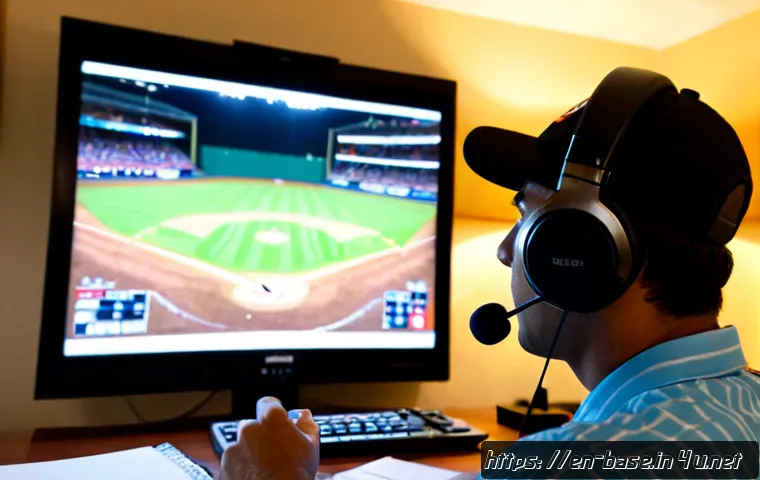
You can learn baseball commentary by practicing the two core jobs: calling live action clearly and adding useful context without guessing. The lowest-cost route is to use recorded games, local events, or simulated broadcasts, then review your own audio for accuracy and pacing.
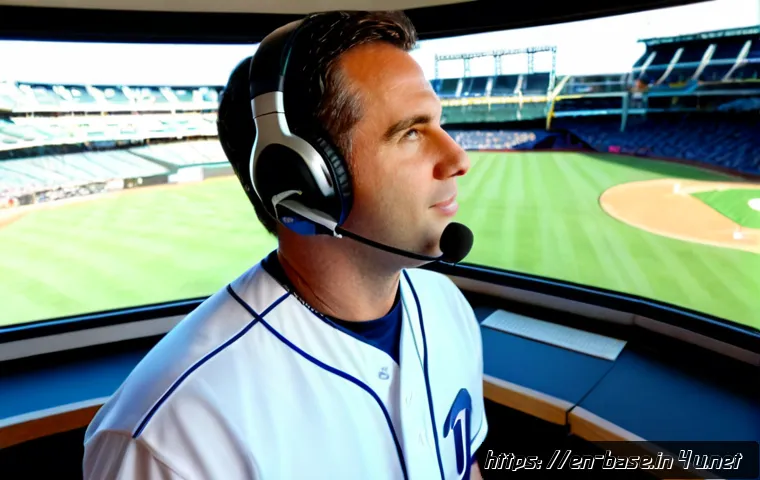
Paid coaching or sports broadcast training can be worth considering when you need direct feedback, a structured routine, or help building a portfolio.
Start with solid game notes before worrying about advanced streaming equipment. Clear audio, a quiet space, and stable internet matter more than an elaborate setup for early online practice.
Compare training feedback, practice access, and equipment needs before spending money.
At a Glance
- Play-by-play tells listeners what is happening now; color commentary explains why the moment matters.
- Begin with recorded highlights, amateur games, or simulated broadcasts to build repetition before applying for paid opportunities.
- Consider coaching, broadcast training, microphones, or live-streaming software only after identifying the feedback or production problem you need to solve.
| Learning Route | Spending Commitment | Feedback Quality | Time Structure | Best Fit |
|---|---|---|---|---|
| Self-study | Usually the lowest-cost option | Depends on your own review or trusted listeners | Flexible | Creators and beginners who can practice regularly |
| Private coaching | Varies by coach and format | Direct and personalized | Scheduled sessions | Commentators who need targeted correction |
| Sports broadcast training program | Varies by provider and course format | May include instructor or peer feedback | More structured | Learners seeking a guided curriculum and portfolio practice |
Start With the Two Jobs of a Strong Baseball Broadcaster
Three Quick Takeaways for New Commentators
A good baseball call is not a constant stream of words. First, state the action accurately. Second, give listeners the game situation they need. Third, leave enough space for the crowd, the crack of the bat, and the moment itself. Clarity comes before personality.
Play-by-Play Versus Color Commentary
Play-by-play commentary follows the live sequence: the pitch, the swing, the ball in play, the result, and the new situation. Color commentary adds strategy, player tendencies, historical perspective, and situational context. A solo commentator may do both jobs, but should avoid mixing them so quickly that the basic action becomes unclear.
What Listeners Need to Understand Every Inning
Before expanding on a story or statistic, make sure listeners know the score, inning, outs, runners, batter, pitcher, and result of the previous play. This is especially important for a livestream, where viewers may join late or listen while doing something else. If you are unsure of a detail, do not fill the gap with a guess.
Build Your Pregame Research and Game-Notes System
Player Names, Pronunciations, Positions, and Lineup Context
Pregame preparation reduces avoidable on-air mistakes. Build a simple sheet with player names, pronunciation notes, positions, lineup order, injuries, team notes, and any available roster information. Read difficult names aloud before the game. A correct name delivered calmly is more valuable than a rushed introduction with uncertain pronunciation.
Useful Statistics Without Overwhelming the Audience
Statistics work best when they explain the current moment. Instead of listing numbers without context, connect a note to the matchup, inning, or strategy. A broadcaster can mention a relevant tendency before an at-bat, then return to the live action. Use statistics as support, not as a substitute for the game call.
A Simple Scorebook and Inning-by-Inning Note Template
A scorebook or structured note page helps you track scoring plays, pitching changes, defensive substitutions, and important turning points. Divide your page by inning and leave short spaces for key events. Include a separate area for names, pronunciation reminders, and stories you may use during a delay. Keep notes brief enough that you can find them while speaking.
Compare Self-Study, Coaching, and Broadcast Training Programs
Cost, Feedback, Networking, and Portfolio Trade-Offs
Self-study gives you the most control over your schedule and lets you practice with recorded games or highlight videos. Its limitation is feedback: you may miss repeated phrases, unclear delivery, or gaps in your preparation. Private broadcast coaching can identify those patterns faster. Formal sports broadcasting courses may offer a planned sequence of assignments, but their duration, accreditation, cost, and hiring value should be checked directly with each provider.
When a Paid Course or One-to-One Coach Can Add Value
Paid training can make sense when you already practice consistently but need a clearer path forward. It may also help if you want someone to review demo clips, improve your play-by-play structure, or challenge your habits in a realistic game simulation. Do not assume that enrollment alone creates access to jobs, leagues, stations, or full-time broadcasting work.
Questions to Ask Before Paying for Training
Ask what type of feedback is included, whether you will record commentary, how often you can practice, and what work samples you can keep for a portfolio. Also ask whether the program focuses on baseball specifically or general sports broadcasting. Review official course details and coaching terms before enrolling, especially if you expect access to equipment, live games, or networking opportunities.
Practice Calling a Game Without Sounding Scripted
Record Silent-Game Commentary Drills
Mute a recorded baseball game or highlight clip and call it as if it were live. This drill lets you focus on observation rather than copying another announcer’s style. Record your voice, then listen back with a simple question: could someone who cannot see the screen follow the play?
Describe the Pitch, Contact, Result, and Next Situation
Use a repeatable sequence during practice: identify the pitcher and batter, describe the pitch or action, state the result, then reset the situation. For example, after contact, do not rush into analysis before confirming where the ball went and whether the play is complete. This structure keeps your play-by-play timely while giving you a natural opening for color analysis between pitches.
Review Pacing, Accuracy, Dead Air, and Repeated Phrases

Reviewing your recordings is where improvement becomes specific. Notice whether you speak over every second of action, lose the count or outs, repeat the same transition phrases, or use vague descriptions. Some quiet moments are normal. Intentional pauses are better than rushed filler.
Avoid Common On-Air Mistakes During Live Baseball Coverage
Do Not Guess at a Ruling, Injury, Statistic, or Player Identity
When information is incomplete, say only what you can verify from the game or available notes. Avoid announcing an injury, official ruling, statistic, or player identity as fact when you are unsure. A brief, calm correction is better than building more commentary on an unconfirmed detail.
Balance Excitement With Clarity During Big Plays
Big moments call for energy, but listeners still need the result. Let excitement follow the action rather than replace it. State what happened first: where the ball went, whether it was caught, who scored, or what the ruling was. Then add your reaction and context.
Handle Delays, Technical Problems, and Unfamiliar Teams Calmly
Weather delays, connection issues, and unfamiliar rosters can happen in local coverage and online broadcasts. Keep a few prepared topics available, such as lineup context, previous key plays, or general strategy. For online commentary practice, a quiet recording environment, stable internet access, and clear audio can prevent more problems than extra production effects.
Choosing Training and Equipment: A Practical Comparison Summary
Best Route for Hobby Commentators and Content Creators
Start with self-study and regular recording. Use recorded highlights, simulated games, or local amateur baseball where access is available. A basic recording setup is enough when your goal is to hear your pacing, improve game descriptions, and create early sample clips.
Best Route for Aspiring Local or Professional Broadcasters
Combine repeated game calls with external feedback. A coach or sports broadcast training program may be useful if it provides meaningful review, realistic practice, and a way to improve your portfolio. Before committing, confirm whether the training format matches your target: youth baseball, local games, livestream production, or broader sports broadcasting.
When to Upgrade a Microphone, Headset, Recording Setup, or Streaming Software
Upgrade when a current limitation affects the listener’s experience. If your voice is difficult to understand, start by reviewing microphone placement, background noise, and your recording environment. If you are producing a live baseball stream, check whether your internet stability and streaming software support the format you plan to use. Avoid buying production tools simply because they appear in professional setups.
Choosing Criteria and Comparison Summary
Before choosing a commentary course, coach, microphone, headset, or streaming software, check these points: feedback quality, access to regular practice, the type of baseball coverage you want to call, audio clarity, internet reliability for live work, and whether you can keep recordings for a portfolio. Self-study is a sensible starting point when you have discipline and access to games or clips. Coaching may be useful for targeted improvement, while a structured broadcast program may suit learners who want scheduled assignments. Compare course feedback, audio needs, and practice access before enrolling. Official details and current conditions should be checked on the relevant provider or product page.
In Closing
Learning baseball commentary starts with careful observation and organized preparation. Call the action first, add context second, and avoid guessing when information is incomplete. Consistent recording practice can reveal more than one perfect practice session. As your goals become clearer, choose training and equipment that solve a real problem in your process.
Useful Information to Know
1. Local games, amateur leagues, recorded highlights, and simulated broadcasts can all create useful practice opportunities.
2. A scorebook or structured notes help track important events without relying on memory alone.
3. Clear audio and a quiet room matter for recorded commentary practice.
4. Listeners need the score, inning, outs, runners, and result of the play more often than they need extra commentary.
Important Notes
Course costs, program duration, accreditation, subscription fees, equipment prices, local broadcasting rules, and access to beginner roles vary and should be confirmed directly. No training route guarantees paid work, acceptance by a league or station, or a full-time broadcasting career. Use only confirmed information when calling a live game, particularly for injuries, statistics, player identities, and official rulings.
Frequently Asked Questions
Q1. Can I learn baseball commentary without going to broadcasting school?
A1. Yes. You can practice with recorded games, highlights, simulated broadcasts, local games, and amateur leagues where opportunities are available. A structured school or course may provide feedback and routine, but it is not the only way to develop play-by-play and color commentary skills.
Q2. How much does baseball broadcasting training usually cost?
A2. Costs vary by provider, coaching format, course length, included feedback, and equipment access. Check the official information for each coaching service or broadcast training program before making a payment.
Q3. What equipment do I need to practice baseball commentary from home?
A3. Start with a way to record your voice in a quiet environment. Clear audio and stable internet are important if you practice online or plan a livestream. Upgrade a microphone, headset, recording setup, or streaming software when your current tools limit audio clarity or the type of broadcast you want to produce.
Contents
How to Learn Baseball Commentary: Skills, Practice Drills, and Training Options