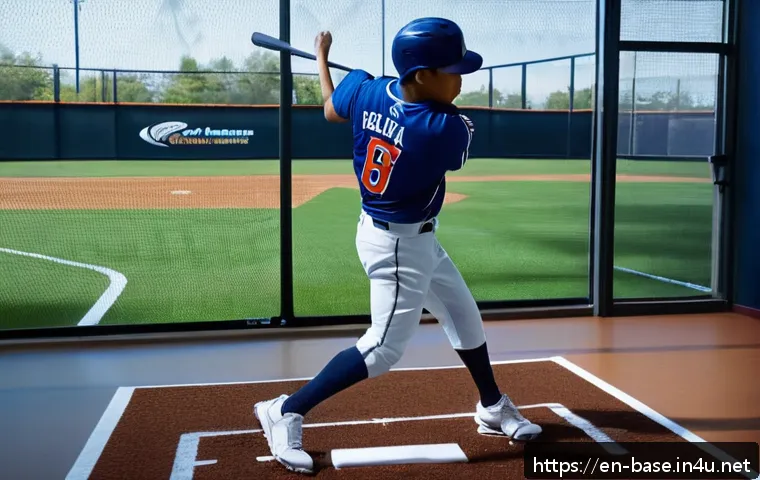
In today’s fast-paced sports world, maximizing every minute of baseball practice is more crucial than ever. Whether you’re a weekend warrior or aspiring pro, finding proven techniques to boost your training efficiency can make all the difference.
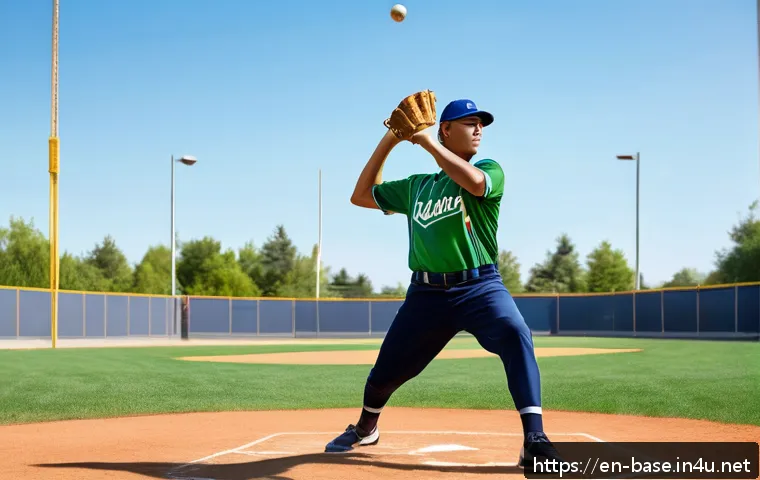
With technology and new training methods evolving rapidly, now’s the perfect time to refine your approach. I’ve personally tested strategies that transformed my practice sessions, and I’m excited to share insights that can help you unlock your full potential on the field.
Let’s dive into practical tips that will keep you motivated and make every swing, throw, and catch count.
Mastering the Fundamentals with Focused Drills
Breaking Down Your Swing Mechanics
Understanding your swing at a granular level is a game changer. Instead of mindlessly hitting balls, take time to analyze each component—stance, grip, load, and follow-through.
When I started recording my swings and reviewing them frame by frame, I noticed subtle flaws I had never felt before, like an inconsistent wrist snap or a slightly open front shoulder.
Fixing these small details made my contact more solid and consistent. Try breaking your swing into segments and focus on perfecting one part at a time during practice sessions.
This approach helps prevent overwhelm and promotes muscle memory development.
Incorporating Targeted Throwing Routines
Throwing isn’t just about arm strength; it’s about accuracy and repetition. I found that warming up with progressive distance throws before moving to full-intensity sessions helped reduce fatigue and improve control.
Start close to your target and gradually increase the distance while maintaining form. Using a partner or a net with marked zones for precision can enhance your focus.
This systematic build-up not only protects your arm but also builds confidence in your throws, which translates to better performance in games.
Fielding Drills That Simulate Game Pressure
Practicing fielding under realistic conditions can make a huge difference. Instead of static catches, incorporate drills where you must react quickly to unexpected directions or speeds, mimicking real-game scenarios.
I personally use a reaction ball or have someone randomly hit grounders and pop-ups. This unpredictability sharpens reflexes and forces you to stay mentally engaged.
Over time, this training helped me reduce errors and improved my ability to anticipate plays, which is invaluable on the field.
Utilizing Technology to Track and Improve Performance
Using Video Analysis for Self-Evaluation
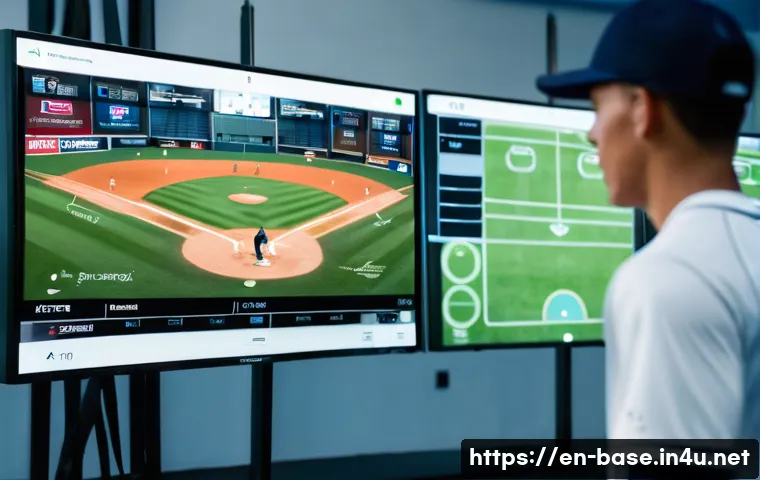
One of the most effective tools I’ve embraced is video recording. Watching yourself in action can reveal mechanical inefficiencies and habits that are impossible to feel in the moment.
Apps that allow slow-motion playback and side-by-side comparisons with professional players offer valuable insights. After several weeks of consistent video review, I noticed improvements in my timing and posture.
This method transforms practice from guesswork into data-driven refinement.
Wearable Sensors and Smart Equipment
Modern wearables designed for baseball players provide real-time feedback on swing speed, bat path, and even pitch velocity. When I started using a smart bat sensor, it highlighted inconsistencies in my swing speed that I hadn’t realized.
This immediate feedback helped me adjust on the spot, making every swing more purposeful. While these devices can be pricey, they are excellent investments for anyone serious about tracking progress and avoiding plateaus.
Apps for Customized Training Plans
There are several apps tailored to baseball training that create personalized workout plans based on your strengths and weaknesses. I experimented with a few and found that having a structured routine designed by professionals kept me accountable and focused.
These apps often include video tutorials, progress tracking, and reminders, making it easier to maintain consistency, which is key to improvement.
Building Physical and Mental Endurance for Longer Sessions
Strength and Conditioning Tailored for Baseball
Baseball demands explosive power, agility, and endurance. Incorporating strength training that targets core muscles, legs, and forearms can significantly enhance your on-field performance.
I added kettlebell swings and plyometric exercises to my routine, which improved my bat speed and sprint times. Conditioning your body to handle longer practice sessions without fatigue means you can maintain intensity and focus throughout, which ultimately leads to better skill retention.
Mental Toughness and Focus Techniques
Practice isn’t just physical; it’s a mental grind. Techniques like visualization, controlled breathing, and mindfulness helped me stay calm during high-pressure drills and maintain motivation during repetitive tasks.
Visualizing a perfect swing or flawless catch before physically executing it primes your brain for success. Over time, these mental exercises made it easier to push through fatigue and distractions, keeping me fully engaged in every practice moment.
Hydration and Recovery Strategies
Staying hydrated and allowing proper recovery are often overlooked but crucial for maximizing practice quality. I learned that drinking water before, during, and after sessions helped maintain energy levels and focus.
Additionally, integrating cooldown stretches and foam rolling post-practice reduced soreness and sped up recovery. Treating practice as a holistic process that includes recovery ensures you can consistently show up at your best.
Designing Practice Sessions for Maximum Impact
Setting Clear, Measurable Goals
Going into practice with a vague idea like “improve hitting” isn’t enough. I started setting specific, measurable goals such as “hit 20 balls to the opposite field with a minimum exit velocity” or “complete 50 throws with 90% accuracy.” Having concrete targets helps you track progress and keeps you motivated.
It also allows you to adjust your training focus based on what’s working or needs more attention.
Balancing Skill Work with Game-Like Situations
While repetitive drills are essential, incorporating scrimmage-like scenarios during practice helps apply skills under pressure. I noticed my performance improved dramatically when I simulated game situations, such as two-strike counts or runners on base, rather than just hitting off a tee.

This balance keeps practice dynamic and prepares you mentally and physically for the real game’s unpredictability.
Time Management and Prioritization
With limited practice time, prioritizing areas that yield the highest return is critical. Early in my training, I wasted time on less impactful drills.
After reflecting, I reallocated time to areas like pitch recognition and defensive positioning, which made a noticeable difference. Creating a practice schedule that includes warm-up, focused drills, and cool-down ensures you’re maximizing every minute without burnout.
Enhancing Coordination and Reflexes through Specialized Exercises
Eye-Tracking and Reaction Drills
Improving hand-eye coordination is fundamental in baseball. I incorporated drills using small balls, colored targets, and light boards that require quick recognition and reaction.
These exercises not only improved my bat-to-ball contact but also enhanced my ability to track pitches and field grounders. Consistent practice with these tools helped me develop faster reflexes and better anticipation during games.
Balance and Agility Training
Agility ladders, cone drills, and balance boards became staples in my routine. These exercises improved my footwork and body control, which are essential for quick pivots and explosive movements on the field.
The better your balance, the more efficient your movements become, reducing injury risk and increasing overall athleticism. Adding these drills boosted my confidence in defensive plays and base running.
Coordination Exercises for Complex Movements
Complex coordination drills that involve simultaneous hand and foot movements, such as catching while moving laterally or throwing on the run, replicate game demands.
Practicing these movements slowly at first and gradually increasing speed helped me build fluidity and precision. These exercises bridge the gap between isolated skills and real-game execution, making your practice sessions more effective and realistic.
Tracking Progress and Adjusting Training for Continued Growth
Keeping a Detailed Practice Journal
Documenting each practice session with notes on what worked, what didn’t, and how you felt physically and mentally helped me identify patterns and plateaus.
Over time, I could see trends like when fatigue was affecting my performance or which drills consistently yielded improvements. This self-awareness allowed me to tweak my routines intelligently instead of sticking to a rigid plan that wasn’t producing results.
Regular Performance Testing
Scheduling periodic tests like timed sprints, exit velocity measurements, or accuracy challenges gave me tangible benchmarks. These tests motivated me to push harder in training and provided feedback on the effectiveness of my drills.
Testing under consistent conditions ensures that progress is tracked objectively, so you know exactly where to focus next.
Flexibility in Training Approach
Being open to adjusting your practice based on progress and feedback is vital. When I hit a plateau in hitting power, I experimented with different bat weights and swing tempos, eventually finding a combination that reignited improvement.
Flexibility keeps your training fresh and prevents stagnation. Listening to your body and mind and adapting accordingly leads to sustained growth and long-term success.
| Practice Element | Key Focus | Benefits | Example Drill |
|---|---|---|---|
| Swing Mechanics | Segmented analysis and correction | Improved contact and consistency | Slow-motion video review and isolated swing part practice |
| Throwing Accuracy | Progressive distance and precision | Better control and arm health | Targeted throws with marked net zones |
| Fielding Reaction | Unpredictable ball directions | Enhanced reflexes and anticipation | Random grounders and reaction balls |
| Technology Use | Video, sensors, apps | Data-driven improvement and accountability | Smart bat sensor and customized app routines |
| Physical Conditioning | Strength, agility, endurance | Increased power and reduced fatigue | Plyometrics and kettlebell exercises |
| Mental Training | Visualization and focus | Improved concentration and motivation | Pre-practice visualization and breathing exercises |
In Conclusion
Mastering baseball fundamentals through focused drills and technology-driven feedback transforms practice sessions into powerful growth opportunities. By combining physical conditioning, mental toughness, and clear goal-setting, you can elevate your game consistently. Remember, progress comes from deliberate effort and adapting your training to your unique needs. Stay patient, stay motivated, and watch your skills reach new heights.
Helpful Information to Keep in Mind
1. Breaking down your swing into smaller parts allows for targeted improvement and builds muscle memory more effectively.
2. Progressive throwing routines enhance arm health and accuracy, preventing injury while boosting confidence.
3. Using technology like video analysis and smart sensors provides real-time feedback that accelerates skill refinement.
4. Mental training techniques such as visualization and controlled breathing improve focus and help overcome practice fatigue.
5. Balancing skill drills with game-like scenarios prepares you for real competition and sharpens decision-making under pressure.
Key Takeaways for Effective Baseball Practice
Consistent progress depends on intentional practice that combines detailed mechanical analysis, physical conditioning, and mental resilience. Leveraging modern tools and setting specific, measurable goals ensures accountability and motivation. Prioritize drills that address your personal weaknesses while simulating game conditions to build confidence and adaptability. Lastly, recovery and hydration are essential to maintain performance and avoid burnout during longer training sessions.
Frequently Asked Questions (FAQ) 📖
Q: uestionsQ1: How can I make my baseball practice sessions more efficient without spending extra time?
A: The key to efficient practice lies in quality over quantity. Focus on drills that target your weaknesses while maintaining good form. For example, instead of mindlessly hitting balls, concentrate on your swing mechanics and timing.
Incorporate short, high-intensity intervals rather than long, drawn-out sessions. When I applied this approach, my skill improvements accelerated without extending practice hours.
Q: Are there any tech tools or apps that can help improve my baseball training?
A: Absolutely! Tools like swing analyzers and pitching trackers provide instant feedback that’s invaluable. Apps can break down your motion frame-by-frame, helping identify subtle flaws you might miss.
Personally, using a smartphone app to record and review my swings made a huge difference in fine-tuning my technique. Just make sure to combine tech insights with hands-on practice for the best results.
Q: How do I stay motivated during repetitive or tough practice days?
A: Staying motivated can be tough, especially when progress feels slow. I found that setting small, achievable goals for each session keeps my focus sharp.
Celebrate tiny wins, like improving your throw accuracy by a few degrees or getting a few more quality swings in. Also, mixing up drills and occasionally practicing with teammates adds variety and fun, preventing burnout and keeping enthusiasm high.



Contents
How to Learn Baseball Commentary: Skills, Practice Drills, and Training Options