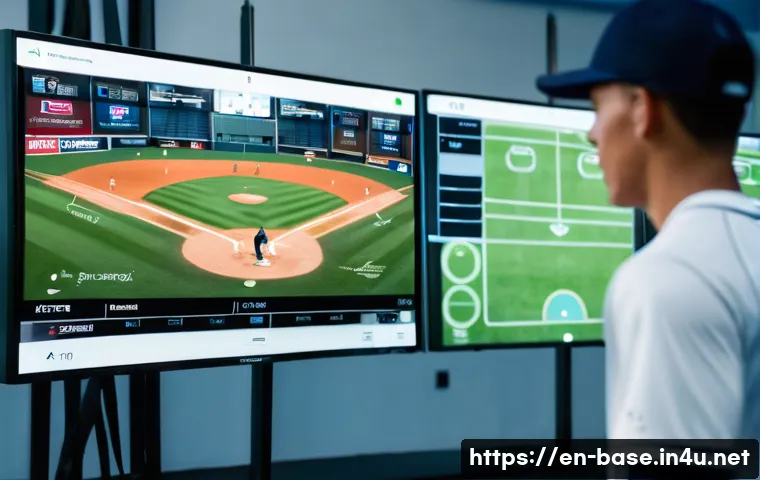
Developing young baseball talent requires more than just raw skill—it demands a well-structured program that nurtures both physical ability and mental toughness.
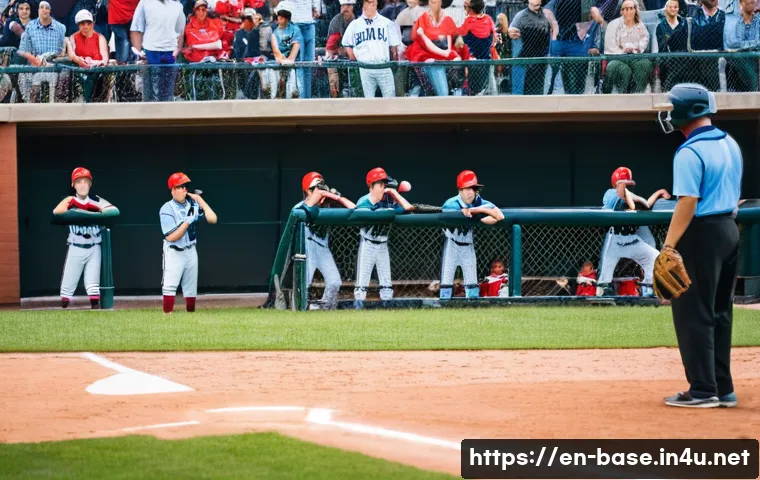
Across the country, innovative baseball prospect development programs are reshaping how future stars are trained, combining cutting-edge technology with expert coaching.
These programs focus on personalized training plans, data analytics, and real-game experience to maximize a player’s potential. Whether you’re a parent, coach, or aspiring athlete, understanding these pathways can unlock new opportunities in the sport.
Let’s dive deeper and explore exactly how these programs are shaping tomorrow’s baseball legends!
Tailoring Training to Individual Strengths and Weaknesses
Assessing Skill Sets Through Comprehensive Evaluations
Understanding a young player’s unique abilities is the cornerstone of any successful development program. Coaches and trainers use a blend of physical assessments and performance metrics to pinpoint both strengths and areas needing improvement.
For example, a player might have exceptional batting power but struggle with pitch recognition. Through video analysis and biomechanical testing, trainers can identify subtle inefficiencies in swing mechanics or footwork that aren’t obvious during regular practice sessions.
This detailed evaluation allows for a highly personalized training plan that targets specific skills rather than a one-size-fits-all approach.
Designing Customized Workout Regimens
Once a player’s profile is established, the next step is crafting workouts tailored to their needs. This involves balancing skill drills, strength conditioning, and recovery routines.
For instance, a young pitcher with flexibility limitations might focus more on mobility exercises to prevent injury, while a hitter with a slower bat speed might engage in resistance training and reaction drills.
The best programs integrate these elements into a cohesive schedule that evolves as the player improves, ensuring continuous progress without burnout.
I’ve seen firsthand how players respond better when they feel the program is built just for them—motivation skyrockets.
Tracking Progress with Technology
Cutting-edge technology plays a pivotal role in monitoring development. Wearable sensors, motion capture systems, and high-speed cameras provide real-time feedback on everything from pitch velocity to swing angle.
This data-driven insight helps coaches adjust training dynamically. For example, if a player’s pitching velocity plateaus, the program might shift focus to refining mechanics or increasing core strength.
In my experience, having access to such precise metrics not only accelerates growth but also builds players’ confidence as they visually track their improvements over time.
Building Mental Resilience for Competitive Edge
Incorporating Sports Psychology Techniques
Physical prowess alone won’t guarantee success in baseball; mental toughness is equally critical. Programs now routinely include sports psychology elements such as visualization, goal setting, and stress management.
Teaching young athletes how to stay focused during high-pressure moments or bounce back from failure can make a huge difference. I’ve worked with players who struggled initially but thrived after learning to control anxiety and maintain a positive mindset.
These techniques help create a mindset that’s prepared for the ups and downs of competitive sports.
Simulating Game Situations for Real-World Experience
Nothing replaces the pressure of actual game scenarios. To build mental resilience, many programs design practice sessions that mimic real-game intensity and unpredictability.
This might involve timed batting drills, situational pitching challenges, or scrimmages with crowd noise. Such environments push players to think quickly and adapt under stress.
From what I’ve observed, athletes who train this way develop sharper decision-making skills and better composure, which are invaluable during tournaments or scouts’ evaluations.
Fostering Leadership and Team Dynamics
Mental toughness also includes leadership qualities and the ability to thrive within a team. Programs often emphasize communication skills, conflict resolution, and accountability.
Young players learn how to encourage teammates, handle criticism constructively, and lead by example. This holistic approach not only improves individual performance but also elevates the entire squad’s morale and cohesion.
I’ve seen teams transform when players embrace these principles, resulting in more consistent and spirited play on the field.
Leveraging Data Analytics to Optimize Player Development
Collecting and Interpreting Performance Data
Data analytics has revolutionized how baseball prospects train and improve. By systematically collecting data points—such as pitch speed, exit velocity, sprint times, and swing path angles—coaches gain a comprehensive view of a player’s performance.
Interpreting this data requires expertise to distinguish meaningful trends from noise. For example, an uptick in pitch spin rate might indicate improved technique, while a sudden dip in sprint speed could signal fatigue or injury risk.
I’ve found that combining traditional scouting with analytics creates a more complete picture of a player’s potential.
Integrating Analytics with Coaching Insights
Numbers alone don’t develop a player; they must be paired with expert coaching. Top programs blend data insights with hands-on instruction, allowing coaches to tailor drills and feedback precisely.
For instance, if analytics show a batter’s launch angle is too low, coaches might focus on adjusting stance and swing mechanics accordingly. This synergy between data and human experience is key.
From my perspective, it’s the coaches’ ability to translate data into actionable advice that truly unlocks player growth.
Using Analytics for Long-Term Development Planning
Beyond immediate training adjustments, analytics help map out a player’s long-term trajectory. By tracking progress over months and seasons, programs can anticipate plateaus or potential injuries and adjust training intensity or focus areas accordingly.
This proactive approach reduces burnout and maximizes peak performance timing. Having seen players benefit from this forward-thinking strategy, I can attest that it’s a game-changer for nurturing sustainable talent.
Maximizing Real-Game Experience Through Competitive Play
Participating in High-Level Tournaments
Exposure to competitive environments is crucial for young players’ growth. Participating in regional or national tournaments offers invaluable experience against diverse opponents and styles.
These games test skills under pressure and reveal areas needing refinement. Personally, I’ve noticed that players returning from tournaments often display increased confidence and adaptability, having faced real challenges beyond practice drills.
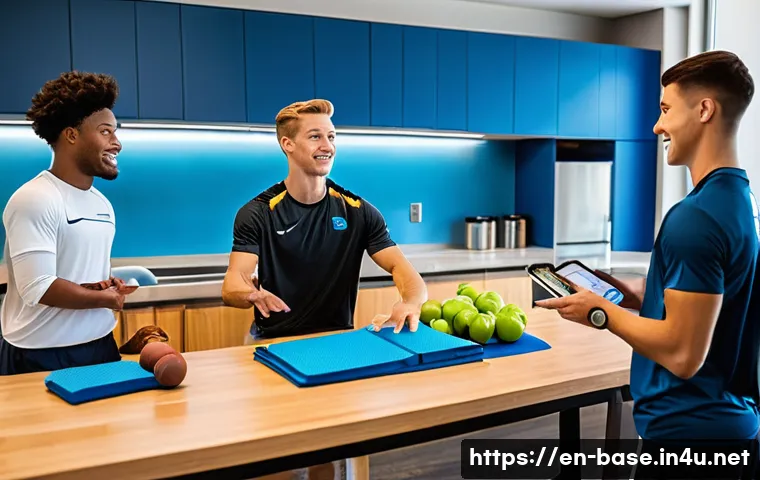
Balancing Game Time with Skill Development
While game experience is vital, it must be balanced with ongoing skill development. Too many games without focused training can lead to stagnation or injury.
Successful programs carefully schedule competitive play alongside targeted practice sessions, ensuring players improve technically while gaining valuable in-game reps.
This balance keeps athletes engaged and progressing steadily.
Learning from Game Analytics and Video Review
Post-game analysis is another cornerstone. Reviewing game footage helps players and coaches identify mistakes and successes, enabling targeted improvements.
For example, a batter might discover timing issues against certain pitch types, prompting specific drills. I’ve found that players who actively engage in video review develop a deeper understanding of the game and accelerate their learning curve.
Building a Supportive Network of Coaches, Mentors, and Peers
Experienced Coaching Staff
One of the defining features of standout development programs is a knowledgeable coaching staff with experience at various levels of baseball. These coaches bring technical expertise and mentorship, guiding young athletes through challenges and growth phases.
From my encounters, having a coach who genuinely cares and understands the game makes a huge difference in a player’s attitude and performance.
Peer Learning and Friendly Competition
Training alongside talented peers creates a motivating atmosphere. Healthy competition pushes players to raise their standards, while collaboration fosters shared learning.
I’ve witnessed how camaraderie among teammates enhances commitment and enjoyment, which are essential for long-term development.
Parental Involvement and Support
Parents play a critical role in sustaining a young player’s journey. Programs that include parental education on nutrition, injury prevention, and emotional support often see better outcomes.
When parents understand the demands and encourage healthy habits, players feel supported beyond the field, increasing their resilience and focus.
Integrating Nutrition and Recovery for Peak Performance
Personalized Nutrition Plans
Nutrition tailored to a young athlete’s needs fuels training and recovery. Programs now often include dietitians who design meal plans rich in proteins, healthy fats, and carbohydrates appropriate for growth and energy demands.
I recall a player whose energy levels improved drastically after adopting a customized nutrition plan, leading to better focus and stamina during practices.
Emphasizing Rest and Injury Prevention
Proper recovery protocols, including adequate sleep, stretching routines, and injury prevention exercises, are emphasized to maintain long-term health.
Overuse injuries are common in baseball, so integrating recovery days and monitoring workload is crucial. From experience, players who respect their body’s limits enjoy longer, more productive careers.
Using Technology to Monitor Recovery
Wearables that track sleep quality, heart rate variability, and muscle fatigue help coaches adjust training intensity. For example, if data shows a player’s recovery is lagging, the program might dial back workouts temporarily.
This approach minimizes injury risk and keeps athletes fresh for competition.
| Program Aspect | Key Features | Benefits |
|---|---|---|
| Personalized Training | Skill assessments, custom workouts, tech monitoring | Targets individual needs, accelerates growth, prevents burnout |
| Mental Conditioning | Sports psychology, game simulations, leadership training | Builds focus, resilience, and team dynamics |
| Data Analytics | Performance metrics, video analysis, long-term planning | Informs coaching, tracks progress, reduces injury risk |
| Competitive Play | Tournaments, balanced scheduling, video review | Real-world experience, confidence building, skill refinement |
| Support Network | Experienced coaches, peer groups, parental involvement | Mentorship, motivation, holistic support |
| Nutrition & Recovery | Diet plans, injury prevention, recovery tech | Enhances performance, sustains health, prevents injuries |
Conclusion
Tailoring training to each player’s unique strengths and weaknesses is essential for effective development. By combining personalized workouts, mental conditioning, data analytics, and real-game experience, young athletes gain a comprehensive foundation for success. With the right support system and focus on recovery, players are better equipped to reach their full potential while enjoying the journey.
Useful Information to Keep in Mind
1. Personalized training plans improve motivation and accelerate skill growth by targeting specific needs rather than applying generic routines.
2. Incorporating mental resilience techniques like visualization and game simulations helps athletes perform confidently under pressure.
3. Data analytics provide valuable insights that, when combined with expert coaching, enhance decision-making and technique adjustments.
4. Balancing competitive play with focused practice prevents burnout and ensures steady improvement over time.
5. Nutrition and recovery strategies tailored to individual athletes support long-term health and maximize on-field performance.
Key Takeaways
Understanding each player’s unique profile allows for customized training that targets their strengths and addresses weaknesses effectively. Integrating mental conditioning alongside physical training builds resilience and leadership. Leveraging technology and data analytics offers precise feedback to guide progress and prevent injury. Maintaining a balanced approach between competition and skill development keeps athletes engaged and advancing. Finally, a supportive network and proper nutrition are crucial elements that sustain growth and peak performance throughout an athlete’s journey.
Frequently Asked Questions (FAQ) 📖
Q: What makes modern baseball prospect development programs different from traditional training methods?
A: Today’s programs go far beyond just practicing fundamentals. They integrate personalized training plans tailored to each player’s strengths and weaknesses, use advanced data analytics to track performance metrics, and incorporate real-game simulations to build mental toughness.
This holistic approach ensures that athletes develop not only their physical skills but also their strategic thinking and resilience, giving them a significant edge over traditional training methods.
Q: How does technology enhance the training of young baseball players in these programs?
A: Technology plays a huge role by providing detailed insights that were previously unavailable. Tools like motion capture systems analyze a player’s swing mechanics frame by frame, wearable devices monitor workload and recovery, and video analysis helps players and coaches spot areas for improvement quickly.
Having this data allows for precise adjustments, reducing injury risk and accelerating skill development, which is something I’ve seen firsthand make a noticeable difference in player progression.
Q: Can parents and coaches support young athletes effectively within these development programs?
A: Absolutely! Parents and coaches are crucial in reinforcing what players learn during training. Staying informed about the program’s goals and methods helps them provide the right encouragement and maintain a healthy balance between pushing for improvement and avoiding burnout.
From my experience, when parents and coaches actively engage—whether by attending sessions, discussing progress, or fostering a positive mindset—it creates a supportive environment that truly fuels a young athlete’s growth.
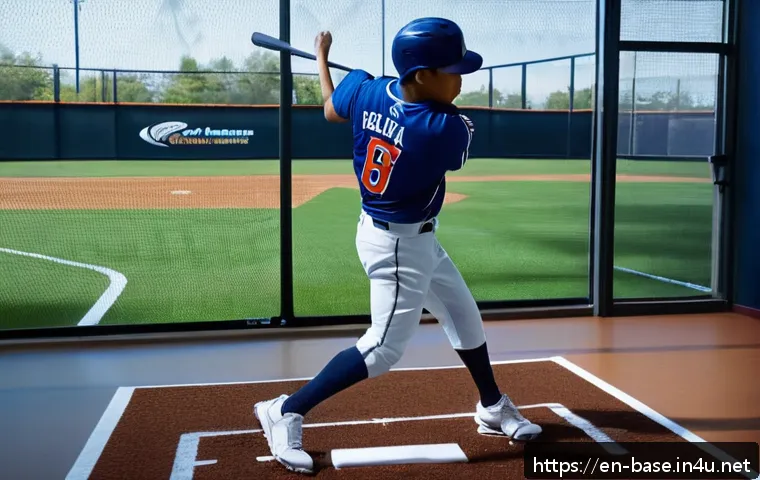


Contents
How to Learn Baseball Commentary: Skills, Practice Drills, and Training Options