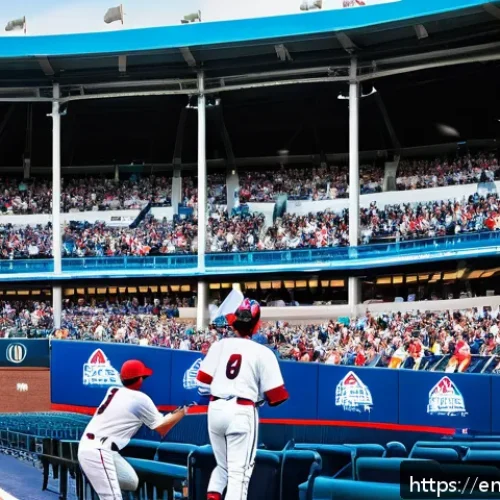
Spring is in full swing, and with baseball season heating up, fans everywhere are gearing up for those unforgettable game days. But have you ever stopped to think about how much the weather actually influences the players’ performance and the overall fan experience?

From blistering sun to sudden downpours, weather plays a silent but powerful role in shaping every inning. As we dive into the science and stories behind it, you’ll see why understanding these factors can unlock the secret to truly perfect game days.
Whether you’re a die-hard fan or just love the atmosphere, this deep dive will change how you watch the game forever. Let’s explore how Mother Nature teams up with baseball to create moments that stick with us long after the final pitch.
The Subtle Dance Between Wind and Play
How Breezes Shape the Ball’s Flight
The wind can be a game-changer in baseball, often in ways you might not immediately notice. A gentle breeze pushing from behind the batter can turn what looks like a routine fly ball into a soaring home run, while a headwind might knock it down short of the fences.
I remember a game last summer where a sudden gust shifted mid-inning, completely altering how the outfielders positioned themselves. It’s fascinating because players and coaches often adjust their strategies based on these invisible forces—changing pitching angles, swing power, or even defensive alignment.
The unpredictability keeps the game dynamic and adds a layer of complexity that only the keenest observers catch.
Wind’s Influence on Pitching Precision
Pitchers, in particular, have to be keenly aware of the wind. A strong crosswind can push a curveball off its intended path or make a fastball tail unexpectedly.
From my experience watching pitchers warm up, they often throw a few test pitches into the breeze, gauging how it might affect their grip and release.
This subtle adjustment can be the difference between striking out a batter and walking them. It’s almost like the wind becomes a silent teammate or adversary, whispering advice or throwing a wrench into the plan depending on its mood.
Fan Comfort and Wind’s Unexpected Role
Wind doesn’t just affect players; fans feel it too. A steady breeze on a warm day can be a blessing, making the sun feel less oppressive and keeping the stadium atmosphere lively.
Conversely, a chilly wind can dampen spirits, forcing fans to bundle up and sometimes cut their stay short. I’ve noticed that stadium vendors often adjust their product offerings based on wind and temperature, pushing hot drinks and food items when the air turns brisk.
So, wind subtly shapes not only the play but also the overall fan experience.
Temperature’s Grip on Energy and Endurance
How Heat Tests the Limits of Players
High temperatures during a game can push players’ endurance to the edge. I’ve seen games where the mercury climbs above 90°F, and the pace noticeably slows down.
Players take longer between pitches, and managers often call for extra hydration breaks. The heat affects muscle performance and reaction times, sometimes leading to uncharacteristic errors or missed catches.
It’s not just discomfort; it’s a real physiological challenge that requires strategic management. From personal observation, teams that prepare with cooling techniques—like ice towels and mist fans—tend to maintain better focus and energy as the innings wear on.
The Chilly Challenge: When Cold Weather Shifts Dynamics
Cold days bring a different set of challenges. The ball gets harder and less responsive, making pitching and hitting trickier. I recall a chilly April night where the pitcher’s fastball lost some zip, and hitters had to adjust their timing to connect solidly.
Cold also affects fans’ enthusiasm, as bundled-up crowds often have a shorter attention span, rushing through innings to stay warm. Yet, some players thrive in cooler conditions, finding that their stamina lasts longer and their muscles stay tighter, reducing injury risks.
It’s a fascinating contrast to the heat, showing how temperature swings shape the game’s rhythm.
Temperature Impact on Fan Attendance and Atmosphere
Temperature doesn’t just affect the players; it heavily influences fan turnout. Warm, comfortable weather usually means packed stands, buzzing energy, and vibrant cheers that lift the home team.
On the flip side, extreme heat or cold can thin out the crowd, dampening the stadium’s vibe. Vendors and stadium staff often track temperature trends to optimize staffing and inventory, ensuring fans get what they need to stay comfortable.
From my experience attending games, the best atmospheres happen when the temperature hits that sweet spot—not too hot, not too cold—where everyone feels energized and ready to engage.
Sunlight’s Unseen Influence on Game Rhythm
Glare and Visual Challenges for Players
Bright sunlight can be a double-edged sword. While it lights up the field beautifully, it can also create glare that blinds batters or outfielders at critical moments.
I’ve witnessed players shading their eyes with their gloves or squinting to track a ball, which sometimes leads to dramatic misses or spectacular catches.
Stadiums with clever architectural designs or retractable roofs often try to minimize these issues, but natural light remains unpredictable. This challenge adds an element of luck and skill, as players must adapt quickly to changing light conditions during the game.
Sunlight’s Effect on Ball Temperature and Behavior
The sun also heats the ball, subtly altering how it behaves when pitched or hit. A sun-warmed ball can feel softer in the pitcher’s hand, changing grip and control.
Conversely, a cooler ball might feel firmer and travel differently off the bat. I recall chatting with a catcher who said he notices the ball’s temperature and adjusts his signals accordingly, anticipating how the pitcher might handle it.
These tiny factors, often unnoticed by casual fans, play a huge role in the game’s micro-decisions.
Sun Exposure and Fan Engagement
For fans, prolonged exposure to sunlight can be draining or exhilarating depending on the day. Sunny games often draw larger crowds eager to soak up the good vibes, but without proper shade or sunscreen, it can also lead to early departures or frequent trips to the concourse for relief.
Stadiums that offer shaded seating or misting stations tend to keep fans around longer, boosting overall engagement and concession sales. Personally, I always pack a hat and sunscreen to make sure I stay comfortable and fully enjoy the atmosphere without worrying about sunburn.
Rain’s Role in Shaping Game Tactics and Fan Mood
Strategic Shifts When Raindrops Fall
Rain is the ultimate disruptor in baseball. Even a light drizzle forces managers and players to rethink their approach. Wet fields affect footing, making aggressive base running riskier and defensive plays more cautious.
Pitchers might struggle with grip, changing pitch selection mid-game. I remember a game where a sudden downpour slowed everything down, turning a fast-paced match into a tactical chess game.
These shifts require quick thinking and flexibility, and they often separate the most adaptable teams from the rest.
Rain Delays and Their Psychological Impact
Rain delays test the mental toughness of players and fans alike. Standing around waiting for the skies to clear can break momentum and focus. I’ve seen players lose their edge after long delays, while others use the time to regroup and come back stronger.
Fans may get restless or leave early, but those who stick around often experience a unique camaraderie, bonding over shared anticipation. Stadium announcements and entertainment during delays become crucial in maintaining energy and engagement.
How Rain Influences Stadium Operations and Fan Comfort
From a stadium operations perspective, rain triggers a cascade of adjustments. Grounds crews race to protect the field with tarps, while vendors pivot to selling more warm beverages and rain gear.
Fans scramble for ponchos or shelter, and seating areas can become slippery and uncomfortable. I’ve noticed that stadiums with covered sections or retractable roofs see better attendance during wet weather, highlighting how infrastructure investments can pay off by keeping fans comfortable and engaged regardless of rain.
The Intricate Balance of Humidity and Game Play
Humidity’s Effect on Ball Movement and Grip
Humidity subtly influences how the ball moves through the air and how pitchers handle it. High humidity can make the ball feel slicker, challenging pitchers’ control but also sometimes enhancing the break on certain pitches.
I once spoke with a veteran pitcher who said he prefers slightly humid conditions because the ball “feels alive” in his hand. Conversely, low humidity can dry out the ball and the field, affecting bounce and speed.
These microclimatic details add another layer of nuance to the game’s strategy.
Player Hydration and Performance in Humid Conditions
Playing in high humidity demands careful hydration strategies. Sweating more means players need to replenish fluids and electrolytes regularly to maintain peak performance.
I recall watching a team’s trainer meticulously tracking player hydration levels during a particularly muggy day, handing out special drinks to prevent cramps and fatigue.
This behind-the-scenes care is crucial but often overlooked by fans, yet it directly impacts how long players can sustain their energy and focus on the field.
Humidity’s Influence on Fan Experience and Apparel Choices
Humidity doesn’t just affect players; fans feel it too. High humidity can make even moderate temperatures feel oppressive, leading to heavier clothes sticking uncomfortably and a general sense of sluggishness.

Fans tend to dress lighter and seek out shaded or air-conditioned areas in these conditions. Vendors often adjust by offering cold beverages and cooling products to enhance comfort.
From my experience, stadiums that provide misting fans or hydration stations see happier, more engaged crowds when humidity spikes.
Weather Patterns and Their Role in Scheduling and Attendance
How Weather Forecasts Shape Game Planning
Teams and stadiums rely heavily on weather forecasts to plan game times, special events, and staffing. Sudden changes in predicted weather can throw a wrench in logistics and fan expectations.
I’ve seen games start earlier or later based on impending storms, with announcements rolling out quickly to keep everyone informed. This constant adaptation showcases how intertwined baseball is with Mother Nature’s whims, requiring coordination and flexibility from everyone involved.
Impact of Weather on Ticket Sales and Fan Commitment
Bad weather forecasts can deter fans from buying tickets or attending games, especially for weekday matches. On the other hand, perfect weather often boosts last-minute sales and walk-up attendance.
I’ve noticed that loyal fan bases are more resilient, braving less-than-ideal conditions, but casual attendees often sit games out when the forecast looks grim.
This fluctuation affects team revenues and the electric atmosphere that live games thrive on.
Strategies to Maximize Attendance Despite Weather Risks
To counter weather-related attendance dips, stadiums and teams employ creative strategies like flexible ticket refunds, weather guarantees, and enhanced fan amenities.
Offering covered seating, rain checks, or complimentary gear can make a huge difference in fan willingness to brave uncertain conditions. From what I’ve seen, these thoughtful touches build trust and loyalty, encouraging fans to keep coming back no matter what the skies decide.
| Weather Factor | Impact on Players | Impact on Fans | Stadium/Team Response |
|---|---|---|---|
| Wind | Alters ball trajectory, affects pitching control | Can cool or chill, influences comfort | Adjust defensive positioning, vendor product shifts |
| Temperature | Heat reduces stamina; cold affects ball behavior | Impacts attendance and fan energy | Hydration breaks, warming/cooling amenities |
| Sunlight | Glare affects vision; ball temperature changes | Drains or energizes, sun protection needed | Shaded seating, misting stations |
| Rain | Field conditions slow play; grip issues | Delays cause restlessness; shelter sought | Tarps, rain gear sales, covered seating |
| Humidity | Affects ball grip and player hydration | Increases discomfort; influences clothing | Hydration stations, cooling products |
Atmospheric Pressure and Its Hidden Effects
Subtle Changes in Ball Flight and Speed
Atmospheric pressure often goes unnoticed but plays a role in how the ball travels. Lower pressure means thinner air, allowing the ball to fly farther—a factor that can turn borderline hits into home runs.
Higher pressure thickens the air, slightly slowing the ball and affecting pitchers’ ability to generate movement. I recall a game at a high-altitude stadium where balls seemed to carry unusually well, thrilling hitters and fans alike.
Player Adaptation to Changing Pressure Conditions
Players who frequently compete in different stadiums learn to adjust their techniques based on pressure variations. Pitchers might alter their grip or pitch selection, while hitters tweak timing and swing mechanics.
From talking to some pros, these adjustments are second nature but require focus and experience. It’s another fascinating example of how the environment silently influences performance.
Fan Perception and Experience Under Different Pressures
While fans might not consciously notice atmospheric pressure, they often pick up on the energy shifts it brings. Games in low-pressure conditions sometimes feel more explosive and high-scoring, creating an electric atmosphere.
Conversely, high-pressure days can feel tighter and more defensive, which some fans appreciate for the strategic depth. This invisible force subtly shapes the emotional tone of the game day experience.
Cloud Cover and Its Impact on Visibility and Mood
How Overcast Skies Change Player Focus
Cloud cover diffuses sunlight, reducing glare and creating more consistent lighting conditions. This can help batters see the ball better and outfielders judge fly balls more accurately.
I’ve seen players comment that overcast days make it easier to maintain focus without the distraction of shifting shadows or bright spots. However, a heavy gray sky can also feel a bit gloomy, subtly influencing energy levels and enthusiasm on the field.
Fan Mood and Energy Under Different Sky Conditions
Fans often respond emotionally to the sky’s mood. Clear blue skies tend to lift spirits and encourage lively cheering, while thick cloud cover can feel more subdued.
That said, some fans enjoy the cozy atmosphere of an overcast day, especially if it means cooler temperatures and less sunburn risk. Stadiums sometimes adjust entertainment and lighting to compensate for darker skies, keeping the energy balanced.
Cloud Cover’s Role in Game Scheduling and Broadcasts
From a broadcasting perspective, cloud cover affects camera lighting and visibility. Overcast days often provide ideal filming conditions with even lighting, reducing shadows and glare on the field.
This can improve the viewing experience for fans watching from home. Scheduling games during times when cloud cover is expected can be a strategic choice for leagues and broadcasters aiming for optimal TV quality.
Storm Threats and Emergency Preparedness
Protocols for Lightning and Severe Weather
Safety is paramount when thunderstorms roll in. Most stadiums have strict protocols to evacuate fans and pause games at the first sign of lightning. I’ve witnessed games halted abruptly, with announcements guiding everyone to safe areas.
These procedures are well-drilled but still create tension and uncertainty for players and fans alike. It’s a reminder that nature’s power can override even the best-laid plans.
Impact of Storms on Game Outcomes and Rescheduling
Severe weather can lead to postponements, doubleheaders, or shortened games, all of which affect team momentum and strategy. Players have to mentally reset for makeup games, and fans must adjust their plans.
From attending several rain-affected games, I can say the unpredictability adds drama but also logistical headaches. Teams with deeper rosters often handle these disruptions better, showcasing the importance of resilience.
Fan Safety and Comfort During Storm Events
During storms, fan safety measures include clear communication, accessible shelter, and crowd control to prevent panic. Vendors and staff work to assist with distributing rain gear or blankets.
From personal experience, the camaraderie among fans during these moments is remarkable, as everyone bands together to wait out the weather. Stadiums that prioritize preparedness and comfort tend to maintain fan loyalty even through rough weather episodes.
Conclusion
Weather plays a silent yet powerful role in shaping every baseball game, influencing players’ performance and fans’ experience alike. From wind shifts to sudden storms, each element demands adaptability and strategy. Understanding these subtle impacts enriches our appreciation of the sport’s complexity. Whether you’re on the field or in the stands, the weather’s dance with baseball is an ever-present, fascinating story.
Useful Information to Know
1. Wind can significantly alter the ball’s path and pitching control, requiring players to adjust their tactics mid-game.
2. Temperature extremes affect player stamina and ball behavior, while also influencing fan attendance and comfort.
3. Sunlight impacts visibility and ball temperature, making protective gear and stadium design important for both players and fans.
4. Rain changes field conditions and game tempo, demanding quick strategic shifts and affecting fan mood and stadium operations.
5. Humidity influences ball grip and player hydration needs, while also shaping fan apparel choices and stadium amenities.
Key Takeaways
Weather conditions are more than just background factors; they actively shape the flow and outcome of baseball games. Players and coaches must continuously adapt to wind, temperature, sunlight, rain, and humidity to maintain peak performance. Similarly, stadiums and teams that anticipate these changes enhance fan comfort and engagement through tailored amenities and flexible policies. Recognizing the interplay between weather and baseball deepens our understanding of the sport’s dynamic nature and the resilience it demands from everyone involved.
Frequently Asked Questions (FAQ) 📖
Q: How does weather impact a baseball player’s performance during a game?
A: Weather can significantly affect players on multiple levels. For example, hot and humid conditions often lead to quicker fatigue and dehydration, which can reduce a pitcher’s stamina or a batter’s concentration.
On the flip side, cooler temperatures might stiffen muscles, making it harder to react quickly. Wind direction and speed also play a huge role—strong winds can alter the flight of the ball, influencing both pitching strategy and hitting outcomes.
From my experience watching games on scorching days, players often adjust their pacing and hydration routines to stay sharp, proving that weather isn’t just a backdrop but an active game-changer.
Q: In what ways does weather influence the fan experience at a baseball game?
A: Weather can make or break the day for fans. Imagine sitting through a game under a blazing sun without shade—that’s a recipe for discomfort, dehydration, and distraction.
Conversely, a light breeze and mild temperatures can make the experience downright enjoyable, encouraging fans to stay energized and engaged. Sudden rain showers, especially without shelter, can lead to early departures and dampened spirits.
Personally, I’ve noticed that on perfect spring days, the stadium buzzes with energy, and fans seem more connected to the action, while extreme weather often shifts the focus away from the game itself to just getting through the elements.
Q: Can understanding weather patterns help fans plan for better game day experiences?
A: Absolutely. Paying attention to weather forecasts allows fans to come prepared—whether that means packing sunscreen, hats, rain gear, or layers for cooler evenings.
Knowing what to expect can transform a potentially miserable day into a memorable one. For instance, anticipating a windy day might encourage bringing a windbreaker or choosing seats that offer some shelter.
From my own game day prep, I’ve learned that a little planning based on weather insights not only boosts comfort but also enhances overall enjoyment, letting you focus on the thrill of the game instead of battling the elements.