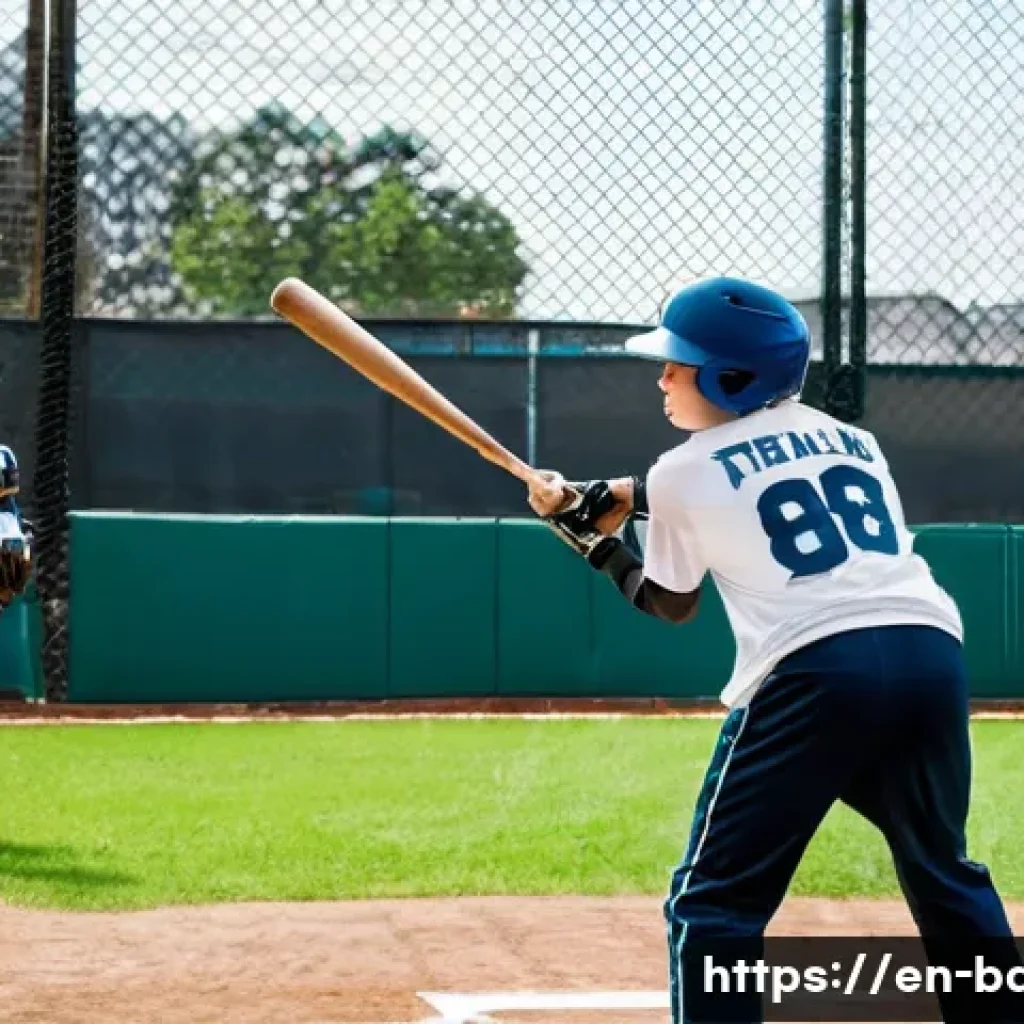
Hey there, future sluggers and pitching pros! Ever find yourself itching to practice your swing or perfect your pitching form, but there’s no one around to help out?
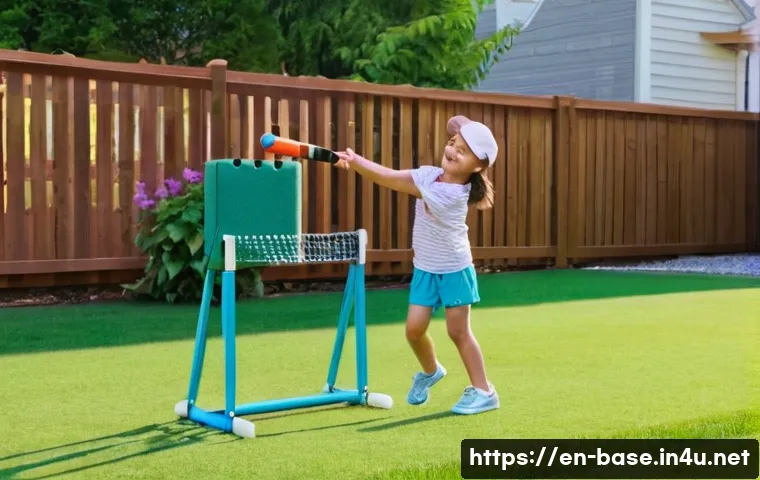
Trust me, I’ve been there countless times, wishing I could just step up to the plate whenever the mood struck. For years, I thought a proper practice session always meant a trip to the batting cages or finding a friend with a strong arm.
But that all changed once I discovered the magic of a great pitching machine. These aren’t just for the pros anymore; today’s models are packed with smart features that can seriously elevate your game, right in your own backyard!
From my own experience, having one has been an absolute game-changer for consistency and pure fun. If you’re ready to unlock your full potential and get those extra reps in, then you’ve come to the right place.
Let’s dive deeper into it below and find out exactly which pitching machine is perfect for you.
Unleashing Your Inner Pro: Why a Pitching Machine is a Game Changer
Alright, so let’s get real for a minute. How many times have you been stuck wishing you had a dedicated pitcher at your beck and call? I know I have! The sheer frustration of wanting to get in some serious batting practice but not having a reliable arm to throw to you is a feeling many of us can relate to. This is precisely where a quality pitching machine steps in and utterly transforms your training routine. It’s not just about hitting more balls; it’s about hitting *better* balls, with a consistency that a human arm simply can’t replicate over hundreds of pitches. Imagine fine-tuning your timing against a fastball that never wavers, or consistently practicing against a curveball that breaks in the exact same spot every single time. This level of repeatable input is invaluable for developing muscle memory, refining your swing mechanics, and building confidence in the box. Seriously, the impact on my own hitting consistency was undeniable once I started integrating a machine into my weekly routine. I noticed my reaction time improving and my ability to identify different pitches becoming sharper, all because I was getting such precise, predictable repetitions.
The Power of Consistent Reps at Your Fingertips
One of the biggest advantages, and frankly, what drew me into the world of pitching machines, is the unparalleled consistency they offer. Think about it: when you’re working with a friend or coach, fatigue eventually sets in, arm speed might drop, or accuracy could waver. A pitching machine, however, is a tireless partner. It delivers pitch after pitch with the same speed, spin, and location, allowing you to focus purely on your hitting technique without having to adjust for an inconsistent throw. This consistency is crucial for isolating weaknesses in your swing and drilling specific adjustments. I’ve found myself able to work on inside pitches for twenty minutes straight, then immediately switch to outside pitches, knowing each ball will arrive exactly where I need it to. This focused, repeatable practice is the secret sauce to cementing proper mechanics and developing that powerful, consistent swing we all dream of. It’s truly like having a personal batting coach who never gets tired and always throws strikes, right there in your backyard.
Beyond the Batting Cage: Convenience and Customization
Let’s talk convenience. For years, my practice sessions were dictated by the availability of local batting cages, which meant driving, waiting, and often feeling rushed. Bringing a pitching machine home liberates you from those constraints. Suddenly, practice isn’t a scheduled event; it’s something you can do whenever the mood strikes, whether it’s a quick session before dinner or an extended drill on a lazy Saturday afternoon. From my own experience, this accessibility removed a huge barrier to consistent practice. But it’s not just about convenience; it’s also about unparalleled customization. Many modern machines offer a vast array of pitch types, speeds, and even spin adjustments. You can set it to throw fastballs, sliders, curveballs, or even knuckleballs at varying velocities. This allows you to simulate almost any game situation and tailor your practice to target specific pitches you struggle with. I remember vividly the day I figured out how to program my machine to throw a nasty slider—it changed my approach at the plate dramatically, as I could now confidently identify and connect with that pitch in games. This level of personalized training is something you simply can’t get from a standard batting cage session.
Finding Your Perfect Match: Navigating the World of Pitching Machine Types
Stepping into the pitching machine market can feel a bit like walking into a candy store – so many options, and you want to try them all! But just like picking the right candy, choosing the right machine depends on your taste, or in this case, your skill level, budget, and specific training goals. I’ve gone through this process myself, feeling overwhelmed by the choices, but understanding the fundamental differences between the main types will make your decision so much easier. Each style offers unique advantages, and understanding these can truly guide you to the machine that will serve you best for years to come. From mimicking a live arm to throwing consistent fastballs, there’s a machine built for every type of player, from the eager rookie to the seasoned veteran looking for that extra edge. Don’t rush this part; do your homework and think about what you truly need from your practice sessions. Trust me, a well-matched machine makes all the difference.
Wheel Machines: Precision and Power for Serious Hitters
When most people envision a pitching machine, they’re probably thinking of a wheel machine. These are the workhorses of the pitching machine world, known for their incredible precision and power. They use one, two, or even three wheels to grip and launch the ball, allowing for highly consistent speed and location. The beauty of a multi-wheel machine, especially a three-wheel model, is its ability to create realistic spin. This means it can throw not just fastballs, but also devastating curveballs, sliders, and even knuckleballs, making it an invaluable tool for advanced hitters looking to refine their plate discipline against breaking pitches. I personally invested in a dual-wheel machine a few years back, and the ability to switch between a fastball and a legitimate breaking ball with just a dial turn was a revelation. It allowed me to work on my timing against different pitch types in a way that dry swings or tee work never could. They do often require specialized dimpled balls for optimal performance, which is something to factor into your budget, but the consistency and versatility are absolutely worth it for dedicated players.
Arm-Style Machines: Replicating the Human Touch
For players who want the closest possible simulation of a live pitcher’s delivery, arm-style machines are an excellent choice. Unlike wheel machines, these units feature a mechanical arm that swings and releases the ball, mimicking the motion of a human pitcher. This can be fantastic for developing proper timing and reaction to the wind-up and release point, which is a crucial skill often overlooked in static pitching machine training. While they might not achieve the blistering speeds or complex breaking balls of a multi-wheel machine, their strength lies in replicating the visual cues of a live pitcher. Plus, many arm-style machines can use actual baseballs or softballs, which some players prefer for a more authentic feel. I remember trying one of these out at a friend’s house, and it really felt different – the visual rhythm of the arm was genuinely helpful for getting into a game-like mindset. If your primary goal is to improve your timing against a human-like delivery, and you’re not solely focused on extreme breaking pitches, an arm-style machine offers a unique and highly beneficial training experience.
Soft-Toss and Lite-Ball Options: Perfect for Beginners and Younger Players
Don’t think that pitching machines are only for seasoned pros or high school athletes! There’s a fantastic range of soft-toss and lite-ball machines designed specifically for younger players, beginners, or anyone looking for a more casual, safe, and portable practice solution. These machines are typically much more affordable and throw softer, lighter balls, which greatly reduces the risk of injury and makes them ideal for backyard play. They often focus on consistent soft-toss feeds or gentle lobs, helping young players develop crucial hand-eye coordination and fundamental batting mechanics in a stress-free environment. I’ve seen these machines work wonders for kids just starting out, building their confidence at the plate without the intimidation of high-speed pitches. They’re also incredibly easy to set up and break down, making spontaneous practice sessions a breeze. While they won’t challenge an experienced hitter with scorching fastballs, they serve an incredibly important role in developing the foundational skills that are essential for future success in baseball or softball. It’s a gentle, fun way to fall in love with the game.
Smart Features That Elevate Your Game: What to Prioritize
Okay, so you’ve got a handle on the basic types of machines. Now, let’s talk about the bells and whistles – the features that truly set certain machines apart and can significantly enhance your training. When I was first looking, I was tempted by the cheapest option, but I quickly learned that investing a little more in the right features pays dividends in the long run. It’s not just about throwing a ball; it’s about how intelligently and versatilely that ball can be thrown. Thinking about my own journey, prioritizing certain features made my practice sessions infinitely more productive and enjoyable. It’s about getting the most bang for your buck and ensuring your machine can adapt as your skills grow. Trust me, you’ll thank yourself later for considering these aspects rather than regretting a purchase that doesn’t quite meet your evolving needs.
| Machine Type | Best For | Pros | Cons | Typical Price Range |
|---|---|---|---|---|
| Single/Dual Wheel | Beginners to Advanced Hitters, Fastpitch Softball | High accuracy, adjustable speeds, throws various pitches (fastballs, curveballs, sliders). | Can be pricey, uses specific balls (dimpled/leather), occasional ball jams. | $300 – $3,000+ |
| Three-Wheel | Advanced Hitters, Baseball/Softball | Exceptional realism for breaking pitches, consistent speed and accuracy. | Most expensive, larger footprint, requires dedicated setup space. | $2,000 – $8,000+ |
| Arm-Style | Baseball, Simulating Live Pitchers | Mimics natural pitching motion, good for timing, uses real baseballs. | Limited pitch variety, generally slower speeds than wheel machines. | $1,000 – $4,000 |
| Soft-Toss/Lite-Ball | Younger Players, Hand-Eye Coordination Drills | Very affordable, portable, uses lighter/softer balls, safe for smaller spaces. | Limited speed/power, not for serious batting practice. | $50 – $300 |
Speed and Pitch Variety: More Than Just Fastballs
This is arguably the most critical feature for serious players. A machine that only throws a consistent 60 mph fastball is great for fundamental work, but what happens when you face a pitcher throwing 80 mph heat with a nasty curveball? A truly versatile pitching machine will offer a wide range of adjustable speeds, allowing you to gradually increase the challenge as your reaction time improves. Even more important for advanced hitters is the ability to throw different pitch types. Look for machines that can simulate fastballs, curveballs, sliders, and even changeups. This allows you to practice against the full arsenal of pitches you’ll see in a game, significantly improving your plate recognition and discipline. I can tell you from personal experience, being able to dial in a challenging breaking ball and consistently work on hitting it has been invaluable for my game. It’s like having a personal major league pitcher throwing BP to you, tailored to your exact needs. Don’t underestimate the power of variety in your training!
Portability and Setup: Your Practice, Anywhere, Anytime
Unless you have a dedicated batting cage in your backyard, portability is a massive factor. No one wants a machine that’s a nightmare to move or takes an hour to set up. Look for models that are relatively lightweight, have wheels for easy transport, and feature quick-release mechanisms for disassembling and reassembling. Some even fold down into compact units that can be stored in a garage or shed without taking up too much space. My current machine, while robust, is surprisingly manageable to move around my yard thanks to its built-in wheels, which means I can easily shift it depending on where I want to set up. Consider your typical practice environment: Will you be moving it frequently? Do you have limited storage? Answering these questions will guide you towards a machine that complements your lifestyle, rather than becoming a cumbersome chore. The easier it is to get going, the more likely you are to actually use it, and consistent use is the key to improvement.
Durability and Build Quality: An Investment That Lasts
Let’s be honest, a pitching machine isn’t a cheap impulse buy; it’s an investment in your athletic development. Therefore, durability and build quality should be paramount. You want a machine that’s built to withstand hundreds, if not thousands, of impacts and countless hours of operation. Look for robust steel frames, high-quality motors, and heavy-duty wheels. Read reviews and see what other users say about the machine’s longevity. Does it stand up to the elements if stored outside (though indoor storage is always recommended)? Are replacement parts readily available? I learned this lesson the hard way with an earlier, cheaper model that started showing wear and tear far too quickly. Spending a bit more upfront on a well-constructed machine from a reputable brand will save you headaches and money in the long run. Think of it as investing in a piece of equipment that will be a reliable training partner for many seasons to come, not just a temporary fix. A quality machine is a testament to serious training commitment.
Setting Up Your Backyard Ballpark: Safety First, Fun Always
So, you’ve picked out your dream pitching machine, it’s arrived, and you’re practically bouncing with excitement to get started. Hold your horses for just a sec! Before you unleash a barrage of pitches, it’s absolutely crucial to think about your setup. This isn’t just about optimizing your practice; it’s about ensuring everyone stays safe. Trust me, I’ve had my share of close calls in the early days because I didn’t fully appreciate the power these machines pack. You might think “it’s just a ball,” but at high speeds, those balls can do real damage to people, pets, and property. Taking a few extra minutes to establish a safe and effective practice zone will prevent accidents and allow you to fully focus on hitting, rather than worrying about what might go wrong. This is the part where you transform your backyard into a personal training facility, but with a strong emphasis on smart planning and protective measures. My rule of thumb: if it feels even slightly unsafe, adjust it until it feels perfectly secure.
Choosing the Right Space: Distance and Clearances
The first and most important step is selecting an appropriate location. You need ample space – and I mean *ample*. For baseball pitches, you’re ideally looking for a minimum of 40-50 feet between the machine and the batter, and even more for faster pitches. This distance allows the ball to achieve its full trajectory and gives you realistic reaction time. More critically, you need significant clearance *behind* the batter and on both sides. A missed ball, a foul tip, or even a line drive can travel at incredible speeds. I personally made sure I had at least 30-40 feet of open space behind my hitting area, and even then, I put up a robust net. Consider any windows, cars, fences, or anything valuable that could be in the line of fire. Also, think about the machine’s placement; it needs to be on a stable, level surface to ensure consistent pitching. Don’t compromise on space; a cramped setup is an unsafe setup and will ultimately hinder your training more than help it. Your practice zone should feel expansive and secure, not like you’re hitting in a shoebox.
Essential Gear for a Safe and Productive Session
Beyond the machine itself, there’s some essential gear you absolutely need to make your practice sessions both safe and productive. First and foremost, a heavy-duty batting net or cage is non-negotiable. This isn’t just for catching missed balls; it’s a critical safety barrier that protects anything or anyone behind the batter. Trust me, a good net has saved me from broken windows and potential headaches countless times. Next, consider a durable pitching machine ball bucket or feeder to hold your ammunition. Constantly retrieving balls can be tedious and disruptive to your flow. Having a large bucket of specialized balls ready to go will keep your reps continuous. Also, never, *ever* step into the batting area without a proper batting helmet. It’s an absolute must. Even against a consistent machine, a freak bounce or a ricochet can happen. Finally, I highly recommend a protective screen (L-screen or similar) placed in front of the machine itself, especially if you’re the one feeding balls or adjusting settings. It shields the operator from any screaming line drives back at the machine. These aren’t optional extras; they’re foundational elements for a smart and safe training setup.
Maximize Your Machine: Drills to Sharpen Every Aspect of Your Play
Having a pitching machine is like owning a high-performance sports car – it’s fantastic just to have, but to truly unlock its potential, you need to know how to drive it. Simply stepping in and swinging at every pitch is a start, but if you want to elevate your game, you need to be strategic with your practice. I’ve spent countless hours experimenting with different drills, and let me tell you, the variety you can introduce with a good machine is astonishing. It’s not just about hitting; it’s about honing your mental game, improving your vision, and developing a sophisticated approach at the plate. My personal philosophy? Every swing should have a purpose. Don’t just swing for the fences every time; focus on specific outcomes. This focused approach is what separates good hitters from great ones, and your pitching machine is the perfect tool to help you make that leap. Get creative, challenge yourself, and watch your game transform.
Targeting Zones: Mastering Plate Discipline
One of the most powerful ways to utilize your pitching machine is to practice hitting to specific zones. Most machines allow for precise adjustments to pitch location. Start by setting the machine to throw consistently to one zone – say, an outside fastball. Your goal isn’t just to hit it, but to hit it *hard* and to the opposite field. Then, switch to an inside fastball and work on pulling it. This helps you develop consistency in making solid contact with different pitches and understanding where your power zones are. I also love to practice “taking pitches” in specific zones. Set the machine to throw a mix of pitches, but only swing at the ones in your desired power zone, letting the others go by. This drill is a fantastic way to develop plate discipline and train your eyes to recognize pitches you want to drive. It’s challenging, especially when a tempting pitch outside your zone goes by, but the payoff in game situations is immense. Learning to lay off bad pitches is just as important as hitting good ones, and this drill makes it second nature.
Simulating Game Situations: From Fastballs to Breaking Balls
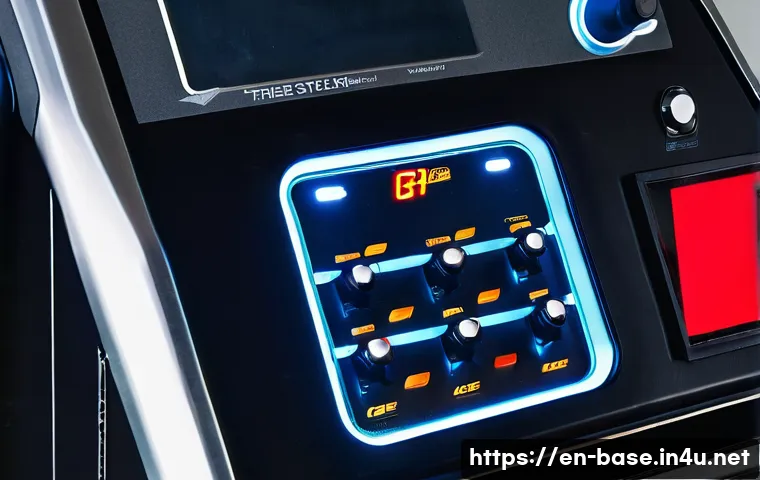
True mastery comes from being able to perform under pressure, and your pitching machine can absolutely help simulate game-like scenarios. Once you’re comfortable hitting consistent pitches, start introducing variety. If your machine can throw breaking balls, mix them in randomly with fastballs. The goal here is to improve your reaction time and pitch recognition. You can even program sequences if your machine has that capability, mimicking a pitcher’s typical approach. For instance, throw two fastballs, then a curveball. Or a fastball, then a changeup. This forces you to react and adapt, just like in a real game. Another great drill is to set the machine to a higher speed than you typically face in games. This makes game-speed pitches feel slower and gives you more time to react. I’ve personally found immense value in this “overspeed” training; when I get back to normal game speed, the ball just seems to hang there a little longer. Don’t be afraid to push your limits and get uncomfortable in practice; that’s where real growth happens. Embrace the challenge, and your confidence will soar.
Keeping Your Machine in Peak Condition: Longevity Tips
So, you’ve made a significant investment in your training with a pitching machine, and naturally, you want it to last as long as possible. Think of it like any other valuable piece of sports equipment – with a little TLC, it can perform at its peak for many seasons to come. Neglecting maintenance isn’t just about reducing its lifespan; it can also affect its performance and consistency, which defeats the whole purpose of having one! I’ve learned through experience that a small amount of preventative care goes a long way. It’s not rocket science, but rather a few simple habits that will ensure your machine remains a reliable training partner. Don’t skip this section; it could save you from costly repairs or the frustration of a machine that’s constantly breaking down. A well-maintained machine is a happy machine, and a happy machine means more consistent practice for you.
Routine Maintenance: Simple Steps for Lasting Performance
Regular cleaning is probably the easiest and most overlooked aspect of machine maintenance. Dust, dirt, and ball residue can build up, especially on the pitching wheels. After each session, take a moment to wipe down the machine, particularly the wheels and the ball chute, with a damp cloth to remove any grime. This prevents wear and tear and ensures the wheels maintain their grip on the balls, leading to more accurate pitches. Periodically, you should also inspect all visible bolts, nuts, and connections to ensure they are tight. Vibrations from operation can sometimes loosen fasteners, so a quick check with a wrench can prevent bigger issues. Lubricating moving parts, if recommended by the manufacturer, is another crucial step. Just like any mechanical device, proper lubrication reduces friction and extends the life of components. I make it a habit to give my machine a quick once-over after every few sessions, and it has consistently performed flawlessly. These small, consistent efforts really add up to years of trouble-free operation.
Storage Solutions: Protecting Your Investment from the Elements
Where and how you store your pitching machine when not in use is almost as important as the maintenance you perform. The elements – rain, snow, extreme heat, and even intense sunlight – can be incredibly damaging to the electronics and mechanical parts of your machine. Ideally, your machine should be stored in a dry, covered area, such as a garage, shed, or even under a patio awning with a protective cover. If you absolutely must store it outdoors, invest in a heavy-duty, waterproof cover specifically designed for pitching machines. These covers protect against moisture, UV rays, and debris. Beyond just physical protection, temperature fluctuations can also impact internal components. Avoiding extreme hot or cold environments will help preserve the integrity of the motor and electrical systems. When I first got my machine, I underestimated the importance of proper storage, and I noticed some minor rust developing. Since then, I’ve been diligent about storing it indoors, and it looks and runs like new. Remember, good storage is about shielding your investment from anything that could prematurely age or damage it.
The Smart Investment: Understanding the Value Behind the Price Tag
Alright, let’s talk brass tacks: the cost. I know that for many, the price tag of a quality pitching machine can seem a bit daunting at first glance. It’s a significant purchase, and it’s natural to question whether it’s truly worth the expense. From my perspective, having personally gone through the decision-making process and now experiencing the benefits firsthand, I can confidently say it’s one of the best investments I’ve made in my athletic development. But it’s not just about the upfront cost; it’s about understanding the long-term value, the return on investment in terms of skill improvement, convenience, and sheer enjoyment. Don’t just look at the dollar amount; think about what that dollar amount actually buys you in terms of tangible and intangible benefits. A smart investment isn’t always the cheapest one; it’s the one that delivers the most value over time, and a pitching machine, when chosen wisely, absolutely fits that description.
Budgeting for Performance: What to Expect Across Price Points
Pitching machines come in a wide range of prices, generally correlating with their features, durability, and complexity. Entry-level machines, often soft-toss or simple single-wheel models, can start from a few hundred dollars. These are great for beginners, younger players, or those with tighter budgets who still want consistent practice. As you move into the mid-range (think $1,000 – $3,000), you’ll find more robust single and dual-wheel machines with greater speed control, pitch variety, and better build quality. This is often the sweet spot for serious amateur players or high school teams. At the higher end ($3,000+ to several thousand), you’ll encounter professional-grade, multi-wheel machines that offer unparalleled realism, extreme speeds, and advanced programming capabilities. My advice is to set a realistic budget but then be flexible enough to stretch it slightly if a machine with key features you truly need falls just outside that initial range. Sometimes, spending an extra few hundred dollars upfront means getting a machine that will serve your needs for many more years and provide more effective training. Don’t be penny-wise and pound-foolish when it comes to your development.
Long-Term Gains: Why It’s Worth Every Penny
Beyond the immediate satisfaction of consistent practice, the real value of a pitching machine becomes apparent over the long term. Think about the alternative: continuous trips to batting cages. Those sessions add up, not just in terms of hourly fees, but also in gas, travel time, and often, less personalized training. Over a few seasons, a pitching machine can easily pay for itself by eliminating these recurring costs. But the financial aspect is only part of the equation. The greatest return on investment comes from the tangible improvement in your skills. More reps, more focused practice, and the ability to train on your own schedule directly translate to better plate discipline, improved timing, and increased power. I’ve personally seen my confidence at the plate skyrocket since getting my machine, and that confidence spills over into every aspect of my game. It’s an investment in your personal growth as a player, providing you with an undeniable edge. The convenience, the customization, the consistent quality of pitches – these are all priceless advantages that make a good pitching machine worth every single penny and then some. It’s not just a tool; it’s a commitment to becoming the best player you can be.
Wrapping Things Up
So, there you have it, folks! We’ve covered a lot of ground today, diving deep into the incredible world of pitching machines. From understanding the different types to exploring the smart features that can truly elevate your game, and even the nitty-gritty of setting up a safe and effective practice space – it’s clear that a pitching machine is more than just a piece of equipment; it’s a game-changer. I truly hope that my experiences and insights have shed some light on why this investment can be so transformative for your batting practice. My goal was to share what I’ve learned, what’s worked for me, and hopefully, inspire you to take your hitting to the next level. Remember, consistency is king, and with a reliable pitching machine, you’re always just a few steps away from sharpening your skills and building that unbreakable confidence at the plate. Keep swinging big, and I can’t wait to hear about your progress!
Handy Tips You’ll Be Glad You Knew
1. Don’t Skimp on Specialty Balls: While it might be tempting to use regular game balls with your pitching machine, especially wheel-style ones, investing in specialized dimpled or soft-toss balls is a smart move. These balls are designed to reduce wear and tear on your machine’s wheels, ensure more consistent pitches, and often come at a lower cost than official game balls. Trust me, extending the life of your machine and getting better performance is worth the small extra investment. I’ve personally seen how much difference the right ball makes in terms of machine longevity and accuracy.
2. Master the Remote Control: Many modern pitching machines come with a remote control, and honestly, it’s a game-changer for solo practice. Take the time to learn all its functions. Being able to adjust speed, pitch type, or even stop the machine without walking all the way back to the console allows for much more fluid and efficient practice sessions. It keeps you in your rhythm and maximizes your reps. I wouldn’t go without one now; it makes adjusting mid-drill so seamless!
3. Video Your Swings: This isn’t directly about the machine, but it’s a pro tip for maximizing its use. Set up a camera to record your swings during your machine practice. Reviewing your footage allows you to objectively analyze your mechanics, timing, and contact points. You’ll spot things you’d never notice in real-time. It’s like having a personal coach critique your every move, and combined with the machine’s consistency, it’s a powerful feedback loop.
4. Vary Your Drills Consistently: While consistency from the machine is great, don’t let your drills become monotonous. Regularly switch up your focus – one session for inside pitches, another for breaking balls, then perhaps a session solely focused on hitting to the opposite field. Introduce game-like scenarios. This variety keeps your mind engaged, prevents burnout, and ensures you’re developing a well-rounded hitting approach rather than just reacting to the same pitch over and over.
5. Regularly Check for Wear and Tear: Your pitching machine works hard! Make it a habit to do a quick visual inspection before and after each significant use. Look for frayed wires, loose bolts, unusual noises, or any signs of stress on the wheels or motor. Catching small issues early can prevent them from becoming major, costly repairs down the line. A little vigilance can save you a lot of headache and keep your machine running smoothly for seasons.
Key Takeaways for Your Training Journey
So, what’s the big picture here? If there’s one thing I want you to remember from our chat today, it’s that a pitching machine isn’t just a gadget; it’s a powerful partner in your pursuit of hitting excellence. First, recognize the immense value of consistency – it’s the bedrock for building solid mechanics and muscle memory. Second, prioritize safety by always setting up in an open space and using proper protective gear; a fun practice is a safe practice. Third, view this as a smart investment that pays dividends in skill improvement, convenience, and long-term savings compared to relying solely on batting cages. Finally, remember to maximize its potential through varied, purposeful drills that challenge every aspect of your game. Embrace the process, stay dedicated, and watch your confidence at the plate soar to new heights. Happy hitting!
Frequently Asked Questions (FAQ) 📖
Q: I’m just a regular person who loves baseball/softball, not a professional. Will a pitching machine genuinely improve my game, or are they really only beneficial for serious athletes?
A: Oh, I totally get where you’re coming from! For years, I felt the same way – thinking these high-tech gadgets were strictly for the college recruits or the big leagues.
But let me tell you, that couldn’t be further from the truth! From my own experience, discovering a good pitching machine was an absolute game-changer for my consistency and pure enjoyment of the game.
It’s not about being a pro; it’s about wanting to get better and having the tools to do it on your own terms. Imagine this: you want to practice hitting, but your buddy isn’t available, or you just don’t feel like driving to the batting cages.
With a machine, you can step up to the plate whenever the mood strikes, getting hundreds of consistent reps without needing a pitcher. This consistency is key for developing muscle memory and refining your swing.
I noticed a huge difference in my hand-eye coordination and my ability to hit different pitch speeds after just a few weeks of regular backyard sessions.
It truly helps you build confidence because you’re seeing so many pitches that you’re comfortable making adjustments. So yes, whether you’re a weekend warrior, a parent helping your kid, or just someone who loves the crack of the bat, a pitching machine is an incredible investment in your personal development and sheer fun!
Q: With so many options on the market, what key features should I really be looking for when trying to pick the best pitching machine for my specific situation?
A: This is a fantastic question, and honestly, it can feel a little overwhelming when you first start browsing! I remember feeling swamped by all the specs and features.
The key, I’ve found, is to really think about your specific needs and who will be using it. First off, consider the type of ball it throws – are you primarily a baseball player, a softball player, or do you need something versatile for both?
Many machines specialize, and some can do both with simple adjustments. Next, pitch speed and adjustability are huge. Are you a beginner needing slower, consistent pitches, or are you looking to challenge yourself with speeds up to 70-80 MPH?
You’ll want a machine that offers a good range and is easy to adjust. Don’t forget about pitch variety; some basic machines just throw fastballs, but others can simulate curves, sliders, and even knuckleballs through oscillation or specific wheel designs.
Trust me, the added challenge of different pitches keeps things exciting! Finally, think about portability and setup. Do you plan to move it frequently, or will it stay in one spot?
Lighter models are great for taking to the park, while heavier ones are often more stable. And of course, durability is paramount – you want something built to last through countless seasons.
I always look for sturdy construction and good warranty options. It’s all about finding that sweet spot between features, quality, and your budget!
Q: Using a pitching machine at home sounds great, but I’m a bit concerned about finding enough space and ensuring everyone’s safety. What should I keep in mind for a safe and effective home setup?
A: Safety and space are absolutely critical considerations, and it’s smart to think about them upfront! When I first got my pitching machine, my biggest concern was making sure no one got hurt and that my windows remained intact!
The good news is, with a little planning, you can create a perfectly safe and highly effective practice zone right at home. The first thing to consider is your available space.
You’ll need a clear area, preferably outdoors like a backyard, that allows for the full flight of the ball and a good distance for batting. Generally, a minimum of 20-30 feet from the machine to the batter is a good starting point, but always check your machine’s manual for recommended distances.
Beyond that, you need room for the ball to travel after contact. This brings us to netting and protective screens. A robust batting cage net is truly your best friend here.
It creates a contained environment, catches stray balls, and significantly enhances safety for anyone nearby. I invested in a decent net early on, and it’s given me so much peace of mind.
Always designate a clear safety zone around the machine where no one should stand during operation. And here’s a pro tip from my own trials: consider using dimpled pitching machine balls instead of regulation baseballs/softballs, especially when you’re just starting out or practicing in a smaller space.
They’re designed for pitching machines, are less likely to damage things, and last forever! Lastly, never operate the machine unsupervised, especially with younger players, and always ensure everyone involved understands the safety protocols.
A little common sense goes a long way in keeping practice fun and safe!