
Hey there, fellow baseball fanatics! Summer’s just around the corner, and for many of us, that means one thing: the exhilarating rush of baseball camp.
I can still vividly recall the mix of nervous excitement and utter confusion I felt before my very first camp – what on earth was I supposed to pack? Over the years, I’ve seen countless players, both newbies and seasoned pros, show up either over-prepared with unnecessary gadgets or, worse, missing those absolute essentials that make all the difference.
You want to spend your time perfecting that swing, nailing those throws, and soaking in every bit of coaching, not scrambling for a bandage or wishing you had a different type of glove.
With the incredible advancements in gear and training methodologies these days, navigating the sheer volume of options can feel like trying to hit a curveball blindfolded.
But don’t you worry your batting helmet about it! I’ve been through enough camps to know exactly what separates a good experience from an absolutely legendary one.
I’m here to share all the insider tips and personal wisdom I’ve gathered, ensuring you’re perfectly equipped for an unforgettable season. Ready to make this baseball camp your most prepared and successful yet?
Let’s accurately discover everything you’ll need!
Beyond the Glove: Essential Gear for Peak Performance
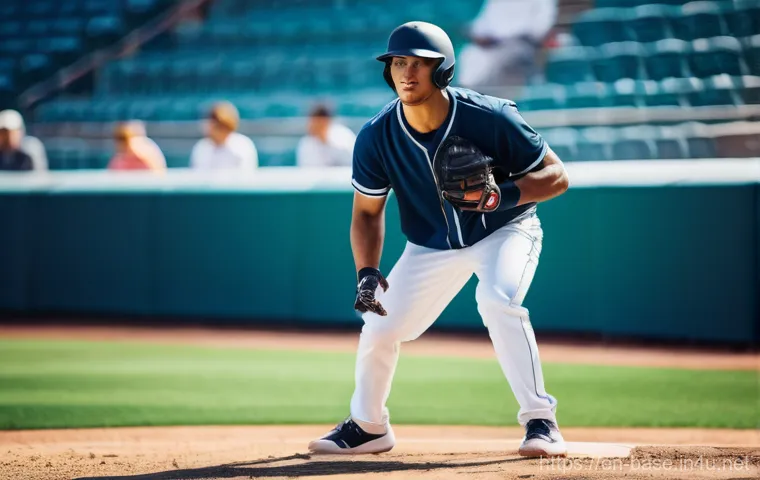
You know, walking onto that diamond, there’s a certain feeling you get when your gear just *feels* right. It’s not just about having the stuff; it’s about having the *right* stuff that truly supports your play.
I’ve seen countless kids, and even some adults, show up with ill-fitting gloves or bats that are clearly not meant for them, and it just throws off their whole game before they even get started.
Remember, your equipment is an extension of you, and picking it carefully can genuinely elevate your performance and confidence. From personal experience, a bat that feels balanced and powerful in your hands can make a world of difference when you’re stepping up to the plate, turning those ground balls into screaming line drives.
And let’s not even get started on the glove – a well-broken-in glove is like a second skin, giving you that instinctual feel for every catch. It’s truly amazing how a little thoughtful preparation in this area can set the stage for an incredible camp experience.
The Batting Arsenal: Choosing Your Weapon
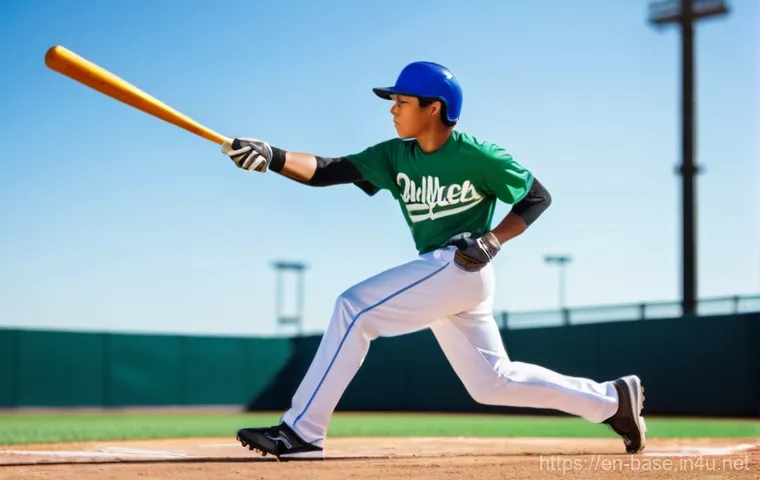
Stepping into the batter’s box, you want to feel utterly confident in the stick you’re holding. I still remember the first time I swung a truly great bat; it just felt *right*, balanced, and powerful.
For baseball camp, you’ll want to bring your primary game bat, of course, but it’s also a smart idea to have a practice bat or even a weighted bat if you’re working on specific drills.
Think about bat length and weight – generally, younger players go for lighter, shorter bats, while older, stronger players can handle something longer and heavier.
But it’s not just about age; it’s about what *you* feel comfortable and powerful swinging. Don’t forget batting gloves! These are non-negotiable for me.
They protect your hands from blisters, improve your grip, and honestly, they just make holding the bat feel more secure, especially on those hot, sweaty days.
I learned that the hard way after a few too many painful blisters trying to go without them. A good pair of batting gloves can be the unsung hero of your hitting game, providing that extra layer of comfort and control when you’re really trying to drive the ball.
Fielding Fundamentals: Gloves and Mitts for Every Position
Your glove is your partner on the field, and selecting the right one is crucial. For infielders, you want a glove that’s a bit smaller, allowing for quicker transfers and a shallower pocket for quick outs.
Think snappy plays! Outfielders, on the other hand, need a larger glove with a deeper pocket to snag those fly balls and prevent them from popping out on impact.
And if you’re a catcher or a first baseman, you know your specialized mitts are absolutely essential for protecting your hand and scooping throws. I once tried to play first base with an infielder’s glove, and let me tell you, it was a comedy of errors trying to pick those low throws out of the dirt!
It just goes to show how much the right tool for the job really matters. Make sure your glove is well broken in, too. A stiff new glove at camp is just going to lead to frustration.
If yours isn’t ready, start working on it now! You can use glove oil, play catch, or even gently pound the pocket to get it ready for action.
Comfort is Key: Apparel That Keeps You Game-Ready
When you’re spending hours under the sun, diving for balls, and sliding into bases, the last thing you want to be thinking about is how uncomfortable your clothes are.
Trust me, I’ve been there, wearing the wrong fabric on a scorching day and feeling like I was melting into the turf. Your apparel isn’t just about looking good; it’s about functionality, protection, and keeping you in peak physical condition throughout the day.
Investing in quality baseball apparel pays dividends in comfort and performance. You want fabrics that breathe, wick away sweat, and allow for a full range of motion.
Think about it: every stretch, every sprint, every throw – your clothing should move with you, not restrict you. I’ve found that a good compression shirt can make a huge difference in how my muscles feel after a long day of drills, reducing fatigue and making me feel ready to go again the next morning.
Layer Up, Play Harder: Mastering the Art of Base Layers
The weather at baseball camp can be notoriously unpredictable. One minute it’s sunny and warm, the next a cloud rolls in, and you’re wishing you had something warmer.
That’s where layering comes in, and specifically, the magic of base layers. I always pack a variety of moisture-wicking shirts – short sleeve, long sleeve, and even a compression tee.
They help regulate your body temperature, keeping you cool when it’s hot and warm when it’s chilly, all while pulling sweat away from your skin. This is a game-changer for preventing chafing and staying comfortable throughout grueling practices.
Don’t underestimate the power of a good pair of sliding shorts either; they offer crucial protection for those aggressive slides and can prevent some nasty scrapes.
I learned this lesson the hard way during a particularly enthusiastic slide into second base that left me with a souvenir raspberry on my hip for a week.
Never again!
Footwear Finesse: Cleats That Conquer Any Terrain
Your feet are your foundation on the baseball field, and the right cleats are non-negotiable for performance and safety. You’ll definitely need a pair of baseball cleats – metal spikes for older players on natural grass fields, or molded plastic cleats for younger players or artificial turf.
Make sure they fit well and are broken in *before* camp. Blisters from new cleats can absolutely ruin your experience. I always bring a comfortable pair of athletic shoes, like running shoes or cross-trainers, for off-field activities, warm-ups, or when we’re just doing some light conditioning.
Trust me, you don’t want to be walking around in your cleats all day long; your feet will thank you for the break. And don’t forget plenty of athletic socks!
Moisture-wicking socks are a blessing, preventing blisters and keeping your feet dry and comfortable. I can’t stress this enough – happy feet mean a happy player, and that translates directly to better focus and energy on the field.
Hydration and Nutrition: Fueling Your Inner All-Star
You know, it’s not just about what you do on the field, but what you put into your body off the field that truly makes a difference. I’ve seen players fade halfway through a day because they didn’t fuel up properly, and it’s a tough lesson to learn when you’re staring at a double-header and your energy levels are plummeting.
Staying properly hydrated and nourished is absolutely critical for maintaining peak performance and avoiding burnout, especially during intense camp schedules.
Think of your body as a high-performance engine; it needs the right kind of fuel and enough of it to keep running efficiently. Skipping meals or relying on sugary drinks is a sure-fire way to feel sluggish and lose focus, and nobody wants that when you’re trying to impress coaches and improve your skills.
I always pack a variety of options because you never know what you’ll crave or what your body will need during those long, active days.
Staying Hydrated: The Unsung Hero of Performance
Dehydration can sneak up on you, especially when you’re out in the sun, sweating it out on the diamond. It’s the absolute enemy of performance, trust me.
Headaches, fatigue, muscle cramps – I’ve experienced them all when I haven’t paid enough attention to my water intake. That’s why a large, reusable water bottle is at the very top of my packing list.
I’m talking about one of those gallon-sized beasts or at least two smaller ones that you can constantly refill. Electrolyte drinks can also be a lifesaver, especially on super hot days or during particularly grueling drills when you’re losing a lot of salts.
Just be mindful of the sugar content. I typically dilute mine or opt for lower-sugar versions. My personal trick is to fill my water bottles the night before and pop them in the freezer – then I have ice-cold water that slowly melts throughout the day, keeping me refreshed when I need it most.
Staying on top of hydration isn’t just good advice; it’s a fundamental aspect of maximizing your potential.
Snack Smart, Play Strong: Quick Bites for Sustained Energy
Long camp days mean you’ll need more than just breakfast and lunch to keep your energy levels steady. Smart snacking is absolutely essential. I always pack a mix of protein bars, fruit (bananas and apples are my go-to’s for quick energy and easy portability), trail mix, and maybe some jerky.
Avoid anything too heavy or greasy that might make you feel sluggish. You want snacks that provide sustained energy, not a quick sugar rush followed by a crash.
I learned that the hard way when I relied on candy bars between sessions and ended up feeling awful during the afternoon drills. A few well-timed snacks can make all the difference, helping you stay sharp and focused from the first warm-up to the last pitch.
Plus, having your favorite snacks on hand can be a real mood booster when you’re feeling a bit tired or homesick.
First Aid & Personal Care: Unexpected Situations Solved
Baseball is an awesome sport, but let’s be real, bumps, scrapes, and blisters are pretty much part of the game. You absolutely want to be prepared for the minor stuff so a small cut doesn’t take you out of action or dampen your spirits.
I’ve seen too many promising players sidelined by easily preventable issues, or just struggling through discomfort because they didn’t have a simple bandage.
Taking a few moments to put together a small personal first-aid kit and packing essential personal care items can truly make your camp experience so much smoother and more enjoyable.
It’s not about being a hypochondriac; it’s about being practical and proactive, allowing you to focus on the game instead of minor irritations. When you’re comfortable and feeling good, you play good, and that’s what we’re aiming for here.
The Mini Med Kit: Your Camp Lifesaver
A small, personal first aid kit is an absolute must-have. Think of it as your portable peace of mind. Mine always includes adhesive bandages (various sizes, because you never know), antiseptic wipes, athletic tape (for wrapping ankles or wrists), pain relievers like ibuprofen, blister pads, and some hydrocortisone cream for bug bites or minor rashes.
You might also want some moleskin for hot spots on your feet. I remember once getting a nasty blister on my heel during the first day of camp, and if I hadn’t had my blister pads, I would have been hobbling around all week.
It made such a difference! Sunscreen is also non-negotiable for outdoor camps; reapply often! And don’t forget insect repellent if you’re in an area where mosquitoes or other critters are an issue.
Trust me, being itchy and uncomfortable is no way to enjoy your time on the field.
Hygiene Hacks: Staying Fresh and Focused
After a long, sweaty day on the field, personal hygiene becomes a top priority, not just for your comfort but for everyone around you! Pack your toothbrush, toothpaste, soap/body wash, shampoo, and deodorant.
If you’re staying in dorms or shared accommodations, shower sandals are absolutely essential to protect your feet. A quick-dry towel can also be incredibly useful.
I always bring a small bottle of hand sanitizer too, for those times when a sink isn’t readily available but you want to clean up before eating. Staying fresh not only makes you feel better physically but also helps you maintain focus mentally.
There’s nothing worse than feeling grimy and sticky when you’re trying to concentrate on a coach’s instructions. A little effort in this area goes a long way in boosting your overall morale and confidence throughout the camp.
Training Aids and Extras: Elevating Your Game
Beyond the basic uniform and gear, there are a few extra items and training aids that can really enhance your camp experience and help you squeeze every last drop of improvement out of your time there.
I’ve always found that having a few personal training tools allows me to get in some extra reps or work on specific weaknesses, even when the coaches are busy with other groups.
It’s like having a mini-coach in your bag! These aren’t necessarily required, but if you’re serious about maximizing your development, they can be absolute game-changers.
Plus, let’s not forget about those crucial downtime moments when you need to relax and recharge. A well-rounded bag means you’re prepared for both intense training and much-needed recovery.
Portable Power-Ups: Training Tools to Hone Your Skills
If you’re anything like me, you love getting in extra work whenever you can. A resistance band can be fantastic for pre-game warm-ups or post-practice stretches to improve flexibility and prevent injury.
A small hitting stick or a tennis ball can be great for working on hand-eye coordination in your downtime. If you have a specific hitting flaw, a batting tee could be a fantastic addition, allowing you to get hundreds of reps on your own.
I once brought a small plyometric ball to camp, and it was great for core strengthening and rotational power drills in the evenings. These aren’t just for serious pros; even casual players can benefit immensely from targeted, personal practice.
Just make sure whatever you bring is compact and easy to transport – you don’t want to be lugging around a ton of extra weight.
Entertainment and Downtime: Unwinding After a Long Day
Camp isn’t *all* about baseball, all the time. There will be downtime, and how you use it can significantly impact your mental and physical recovery. I always pack a good book or an e-reader for winding down in the evenings.
Some headphones are essential for listening to music or podcasts, especially if you’re sharing a room and need a little personal space. A portable charger for your phone is also a lifesaver; there’s nothing worse than running out of battery when you want to connect with family or just relax with some tunes.
A deck of cards or a small travel game can also be great for bonding with new teammates. Remember, mental breaks are just as important as physical ones for staying sharp and enjoying the whole experience.
Don’t underestimate the power of a good night’s sleep and some relaxing downtime to recharge your batteries.
Organize Like a Pro: Packing Strategies That Work
Packing for baseball camp can feel like an Olympic sport in itself, especially if you’re like me and tend to overthink every single item. But trust me, a little organization goes a long way in making your camp experience smooth and stress-free.
There’s nothing worse than rummaging through a messy bag trying to find that one specific sock or a pair of clean shorts when you’re already running late for practice.
I’ve learned through trial and error that having a system not only saves you time but also ensures you don’t forget anything crucial. It’s all about working smarter, not harder, even when it comes to packing.
Think about how many times you’ve shown up somewhere and realized you forgot that *one* thing – let’s try to avoid that this time around!
The Ultimate Bag: Choosing Your Camp Companion
Your baseball bag isn’t just a carry-all; it’s your mobile locker room. You’ll want a durable, spacious baseball-specific backpack or a large duffel bag with separate compartments.
I prefer bags with a dedicated cleat compartment (keeps the dirt and smell away from your clean clothes!) and external pockets for water bottles or smaller essentials.
Consider wheels if you have a lot of gear or will be walking long distances. Trust me, dragging a heavy bag across a parking lot after a long day of drills is not fun.
I upgraded to a wheeled bag a few years ago, and it was a total game-changer for my back! Also, label your bag and any individual pieces of gear you might accidentally leave lying around.
A little personalization can save you a lot of hassle in a sea of similar-looking equipment.
Smart Packing: Tips for Maximizing Space and Accessibility
Once you have your bag, it’s all about how you fill it. Roll your clothes to save space and prevent wrinkles. Use packing cubes or mesh bags to separate items like socks, underwear, and practice jerseys from your clean clothes.
This makes it super easy to find what you need without emptying your entire bag. Place heavy items at the bottom and things you’ll need frequently (like your water bottle, sunscreen, or a quick snack) in easily accessible outer pockets.
And don’t forget a laundry bag! A simple mesh bag for dirty clothes will keep them separate from your clean items and make laundry day much easier when you get home.
It’s these small organizational habits that really contribute to a smoother, more enjoyable camp experience. You’ll be surprised how much difference a well-packed bag can make when you’re trying to stay on top of a busy schedule.
| Category | Must-Have Items | Pro-Tip Additions |
|---|---|---|
| Playing Gear | Baseball Bat, Baseball Glove, Batting Helmet, Cleats, Baseball Pants (2-3 pairs), Baseball Socks (multiple pairs), Baseball Jersey/T-shirts (multiple) | Batting Gloves, Sliding Shorts, Practice Bat, Sunglasses, Protective Cup |
| Apparel | Athletic Shorts, T-shirts, Long-Sleeve Shirt, Hoodie/Jacket, Underwear, Sleepwear | Compression Shirts/Pants, Rain Jacket, Extra Athletic Socks, Hat/Visor |
| Personal Care & First Aid | Water Bottle, Sunscreen, Bug Spray, Toiletries (toothbrush, toothpaste, soap, shampoo, deodorant), Shower Sandals, Towel | Small First-Aid Kit (bandages, antiseptic wipes, pain relievers, athletic tape), Blister Pads, Hand Sanitizer |
| Hydration & Nutrition | Reusable Water Bottle (large), Healthy Snacks (protein bars, fruit, trail mix) | Electrolyte Powder/Drinks (low sugar), Cooler Bag for extra snacks/drinks |
| Extras & Downtime | Backpack/Duffel Bag, Portable Charger, Book/E-reader, Headphones, Laundry Bag | Deck of Cards/Small Game, Small Training Aids (resistance band, tennis ball), Pen & Notebook |
Wrapping Things Up
Phew! We’ve covered a lot of ground today, haven’t we? It truly boils down to this: preparing for baseball camp is more than just throwing a few things in a bag.
It’s about being thoughtful, proactive, and genuinely excited for the experience ahead. I’ve seen firsthand how a little bit of planning can transform a good camp into an absolutely unforgettable one, allowing you to focus purely on the game, grow your skills, and make some incredible memories.
Remember, your confidence starts long before you step onto the field, and it’s fueled by knowing you’re well-equipped and ready for anything.
Pro Tips to Keep in Mind
1. Pack Smart, Not Just More: Don’t just stuff your bag; organize it. Use packing cubes, separate dirty clothes, and know exactly where your essentials are. Trust me, finding that one specific sock when you’re rushing to practice is a tiny victory!
2. Hydrate, Hydrate, Hydrate: This is non-negotiable. Always have a water bottle handy and be sipping constantly. Electrolyte drinks can be a game-changer on hot days, but water is your main fuel.
3. Listen to Your Body: Camp is intense, so pay attention to any aches or pains. Don’t be afraid to take a moment to stretch, hydrate, or even rest if you need to. Pushing too hard can lead to injury and sideline you.
4. Be a Sponge: Beyond the physical skills, camp is a fantastic opportunity to learn from coaches and teammates. Ask questions, observe, and soak up all the knowledge you can. Every interaction is a chance to grow.
5. Embrace the Experience: Most importantly, have fun! Meet new people, challenge yourself, and enjoy every moment on the diamond. These are the experiences you’ll look back on for years to come.
Your Camp Checklist Refined
As we close out our chat about getting ready for baseball camp, let’s distill it down to the absolute core. What truly makes a difference isn’t just checking off items on a list, but understanding the *why* behind each piece of gear and every preparation step.
It’s about more than just equipment; it’s about setting yourself up for success, comfort, and ultimate enjoyment. Think of it as investing in your performance and your peace of mind.
From the perfect bat that feels like an extension of your swing, to the socks that prevent blisters, and the mindset that keeps you hydrated and hungry for improvement, every detail contributes to a richer experience.
My goal here, always, is to help you step onto that field feeling not just ready, but absolutely empowered. You’ve got this, and I can’t wait to hear about all the incredible plays you’ll make!
Frequently Asked Questions (FAQ) 📖
Q: What are the absolute must-have essentials I shouldn’t even think about leaving behind for baseball camp?
A: This is the million-dollar question, isn’t it? I still chuckle remembering my first camp, showing up with way too many “just in case” items and missing a few absolute game-changers.
From my years of hitting the diamond, the core essentials are non-negotiable. First off, your baseball glove or mitt is your best friend – make sure it’s broken in and comfortable!
Trying to use a stiff, brand-new glove on day one is a recipe for frustration. Then, you absolutely need comfortable, supportive cleats for different field conditions; having a backup pair if you anticipate lots of rain or muddy fields can be a lifesaver.
Don’t forget your bat; bringing your own familiar stick gives you an edge and confidence. A batting helmet, of course, for safety! Beyond the core gear, a high-quality water bottle (or two!) is paramount; dehydration can sneak up on you fast under the summer sun.
I learned that the hard way one scorching August camp. And seriously, don’t skimp on sunscreen and lip balm with SPF; protecting your skin is just as important as protecting your swing.
Lastly, extra athletic socks and a few changes of comfortable, moisture-wicking clothes are a blessing, especially after a long, sweaty day. Trust me, you’ll thank yourself later when you’re not stuck in damp gear.
Q: I tend to overpack!
A: re there any common items people bring to baseball camp that are actually unnecessary or just get in the way? A2: Oh, I totally get that! It’s so tempting to bring everything but the kitchen sink “just in case.” I used to be the worst offender, lugging around a monstrous duffel bag only to realize half of it never even saw the light of day.
From my experience, one big culprit is excessive amounts of “fancy” training gadgets. While some tools are great for home practice, camp is usually about fundamental coaching and team drills.
You probably don’t need that specialized hitting tee or weighted bat unless specifically instructed by the camp coaches. Another one is too many casual clothes.
You’re there to play ball, not walk a fashion runway! A few changes are essential, but you don’t need an outfit for every hour. Also, leave the expensive electronics or jewelry at home.
Camps are busy, dynamic environments, and things can easily get lost, broken, or stolen. I once saw a kid distraught over a lost gaming device, and it completely ruined his focus.
Keep it simple, focused on baseball, and secure. Your peace of mind is worth more than a portable speaker on the field.
Q: Beyond just packing the right gear, what’s a pro-tip for making the absolute most out of my baseball camp experience?
A: This is where the real magic happens! Packing correctly is step one, but truly maximizing your camp experience goes beyond the gear. My biggest, absolute pro-tip is to embrace the “sponge” mentality.
What do I mean by that? Show up ready to absorb every single piece of advice, every demonstration, and every correction the coaches offer. Don’t be afraid to ask questions – even if you think they sound silly.
I’ve found that the players who ask intelligent questions and truly listen are the ones who improve the fastest. Remember that time I finally nailed my curveball?
It wasn’t just practice; it was asking a coach to show me exactly where to put my fingers and then practicing that one tip relentlessly. Also, engage with your fellow campers!
You’ll learn so much from observing others, sharing tips, and even just having friendly competitions. These camps are fantastic networking opportunities, and some of my best baseball buddies came from those summer sessions.
And honestly, just bring your best attitude. Be enthusiastic, be respectful, and be ready to work hard. Coaches notice that, and it makes the whole experience so much more enjoyable and rewarding for everyone involved.
Trust me, a positive mindset is more powerful than any new bat or glove.