
Every baseball position demands a unique blend of skills, from lightning-fast reflexes behind the plate to powerful throws across the diamond. Whether you’re a pitcher mastering control and strategy or an outfielder tracking down fly balls with precision, understanding these abilities is key to excelling on the field.
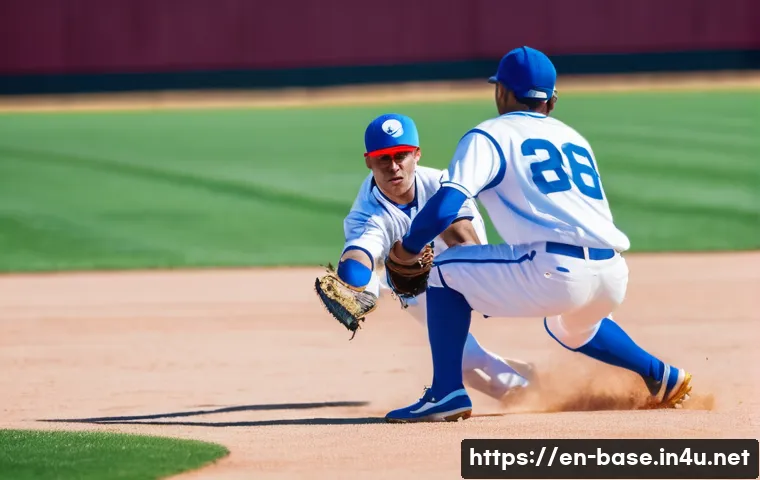
Even the infielders need a sharp eye and quick hands to turn double plays smoothly. As the game evolves, so do the physical and mental requirements for each role, making it crucial to know what sets each position apart.
Let’s dive deeper and explore the essential skills that make every spot on the field a vital piece of the puzzle. Stick with me as we break it all down!
Mastering the Art of Pitching: Command and Creativity
Precision Over Power: The Control Factor
Pitchers who can consistently hit their spots tend to dominate games. It’s not just about throwing hard but about placing the ball where the batter struggles the most.
I’ve seen firsthand how pitchers who work tirelessly on their control can keep hitters off balance and rack up strikeouts without overwhelming velocity.
The ability to mix speeds and locations is a craft that takes hours of practice and intense focus. Even minor lapses in command can lead to dangerous hits, so the mental discipline behind every pitch is as vital as the physical mechanics.
Strategic Mindset: Outsmarting the Batter
Pitching is like a chess match; you’re constantly anticipating the batter’s next move and adjusting your approach. I remember watching a veteran pitcher who seemed to read the batter’s intentions effortlessly, changing pitch types and sequences on the fly.
This isn’t just instinct—it’s a deep understanding of hitters’ tendencies, scouting reports, and game situations. Pitchers who develop this strategic edge can extend their careers and elevate their teams’ chances significantly.
Physical Endurance and Recovery
Pitching takes a toll on the arm and body, making endurance and recovery critical. I’ve experienced how a pitcher’s routine off the mound—stretching, icing, nutrition—directly impacts their longevity and performance.
Managing workload during games and throughout the season is crucial to avoid injuries. The best pitchers balance aggressive pitching with smart recovery practices to stay sharp over the long haul.
Infield Dynamics: Speed, Agility, and Sharp Instincts
Quick Hands and Reflexes: The Double Play Dance
Turning a double play is a ballet of precision and speed, especially for middle infielders. It’s not just about raw quickness but having the instincts to anticipate the ball’s trajectory and react instantly.
When I started playing shortstop, the difference between a clean double play and an error often came down to split-second decisions. Practicing footwork and glove work repeatedly is the secret sauce to making these plays look effortless.
Communication and Positioning: The Unsung Heroes
Infielders must constantly communicate to avoid collisions and ensure coverage. I’ve been part of infield groups that thrived because each player knew their responsibilities and could adjust on the fly.
Positioning based on batter tendencies and game context is another layer of complexity. An infielder who can read the game and shift appropriately helps neutralize offensive threats and keeps the defense in sync.
Arm Strength and Accuracy
A strong, accurate arm is vital for infielders, especially third basemen and shortstops who often make long throws across the diamond. I recall how a teammate’s ability to whip the ball to first base saved countless innings.
It’s not just throwing hard but delivering the ball quickly and on target to prevent runners from advancing. This skill requires both physical strength and refined mechanics.
Outfield Excellence: Tracking, Speed, and Powerful Arms
Reading the Ball Off the Bat
Outfielders are the last line of defense, and their ability to judge fly balls can make or break a game. I’ve spent hours in the sun learning how to read the ball’s spin and trajectory, and it’s incredible how subtle differences can change the outcome of a catch.
The best outfielders develop a sixth sense for these reads, enabling them to position themselves perfectly and make highlight-reel catches.
Speed and Range: Covering Ground Efficiently
An outfielder’s speed is crucial, but it’s also about efficient routes to the ball. I’ve noticed that players who practice their angles and anticipate hits can cover more ground with less effort, conserving energy for key moments.
This combination of speed and smart movement helps shut down opponents’ extra-base hits and frustrates aggressive baserunners.
Arm Strength for Game-Changing Throws
Throwing from the outfield requires power and accuracy to stop runners from advancing or scoring. I once witnessed a right fielder make a perfect throw home to nail a runner, completely changing the momentum of the inning.
Developing this arm strength takes focused training, but it’s a skill that pays dividends in critical situations.
Catchers’ Command: Leadership and Reflexes Behind the Plate
Quick Reflexes and Blocking Skills
Catchers are the backbone of the defense, and their ability to block pitches in the dirt can prevent runs. I’ve experienced how a great catcher’s quick reflexes can frustrate base stealers and keep the pitching staff confident.
This position demands lightning-fast reactions and the toughness to absorb hard pitches while staying focused for every play.
Game Calling and Pitch Framing
A catcher’s role goes beyond defense; they’re the on-field strategists. I’ve seen catchers expertly call games, selecting pitches based on the batter’s weaknesses and pitcher’s strengths.
Framing pitches—subtly adjusting glove positioning to get favorable calls—is an art that can tilt the strike zone. This mental and physical skill set is crucial to a team’s success.
Leadership and Communication
Catchers act as field generals, directing teammates and managing the game’s flow. Their constant communication helps maintain defensive alignment and pitcher focus.
When I played catcher, I realized how much trust pitchers place in their catcher’s guidance. This leadership role is demanding but deeply rewarding.
First Base Fundamentals: Consistency and Soft Hands
Reliable Catching and Footwork
First basemen might not cover as much ground, but their role is pivotal in securing outs. I’ve found that having soft hands and smooth footwork around the bag is essential for snagging errant throws and turning tricky plays into outs.
The ability to scoop low or wide throws can save pitchers from extra innings and keep momentum on your side.
Offensive Contributions
Often, first basemen are key offensive players, combining power hitting with solid defensive skills. I’ve seen players excel at this position by balancing their slugging with dependable fielding.
Being a threat at the plate while maintaining defensive reliability is a valuable asset.
Handling Pressure Plays
Closing plays at first base often happen under pressure, and staying calm is critical. I remember a game-winning out where the first baseman caught a tough throw on the run, showcasing the importance of concentration and composure.
Second Base Agility: The Pivot Point of Defense
Swift Transitions and Double Play Execution
Second basemen serve as a pivot in double plays, requiring quick hands and flawless coordination. I’ve practiced countless drills to improve the fluidity of my pivot, knowing that milliseconds can decide the play’s success.
Agility and timing are crucial here.
Coverage and Range
This position demands covering ground quickly, often backing up first base and responding to hard-hit balls. I’ve learned that anticipation and speed allow second basemen to make plays others can’t, which turns potential hits into routine outs.
Communication with Shortstop
A strong partnership with the shortstop is vital. Effective communication helps both players anticipate plays and cover each other’s zones, creating a seamless infield defense.
Third Base Power and Precision: The Hot Corner
Reaction Time to Hard Hits
Third basemen face some of the hardest-hit balls on the field, requiring lightning-fast reactions. I’ve experienced how the ability to stay low and ready can turn screaming line drives into routine plays.
This position demands a fearless mindset and exceptional focus.
Strong Throws Under Pressure
Making long, accurate throws to first base is a hallmark skill. Practicing arm strength and release mechanics helps third basemen consistently deliver clutch plays.
Backing Up and Supporting Defense
Third basemen often back up other bases and field bunts, adding layers to their defensive responsibilities. Their awareness and hustle contribute significantly to the team’s overall defense.
| Position | Key Skills | Physical Requirements | Mental Attributes |
|---|---|---|---|
| Pitcher | Control, Strategic Pitching, Endurance | Arm Strength, Stamina | Focus, Game Intelligence |
| Catcher | Blocking, Game Calling, Framing | Reflexes, Toughness | Leadership, Communication |
| First Base | Soft Hands, Footwork, Consistency | Flexibility, Hand-Eye Coordination | Calmness, Concentration |
| Second Base | Double Play Pivot, Range, Communication | Agility, Speed | Teamwork, Anticipation |
| Third Base | Reaction Time, Strong Throws, Support Defense | Quick Reflexes, Arm Strength | Focus, Fearlessness |
| Outfield | Fly Ball Tracking, Speed, Arm Strength | Speed, Endurance | Judgment, Positioning |
글을 마치며
Mastering baseball requires a blend of physical skills, mental sharpness, and strategic thinking across every position. Whether you’re pitching with precision, turning double plays, or leading from behind the plate, each role contributes uniquely to the team’s success. Embracing these fundamentals with dedication and focus can elevate your game and deepen your love for the sport. Keep practicing, stay adaptable, and enjoy every moment on the field.
알아두면 쓸모 있는 정보
1. Consistent practice of control and placement in pitching outshines sheer velocity when it comes to dominating batters.
2. Effective communication among infielders prevents errors and enhances defensive coordination during fast-paced plays.
3. Outfielders maximize their coverage by combining speed with smart anticipation and efficient routes to the ball.
4. Catchers not only block pitches but also shape the game’s strategy through pitch calling and framing techniques.
5. First and second basemen’s footwork and agility are crucial for turning double plays and managing high-pressure situations smoothly.
핵심 포인트 요약
Every baseball position demands a unique combination of physical ability and mental acuity. From the pitcher’s command and strategic mindset to the catcher’s leadership and reflexes, success hinges on mastering both skill and situational awareness. Infielders and outfielders alike rely on communication, anticipation, and precise mechanics to support the team’s defense. Focusing on these elements consistently leads to improved performance and a competitive edge on the field.
Frequently Asked Questions (FAQ) 📖
Q: What are the most important skills for a pitcher to develop?
A: For pitchers, control and strategy are absolutely crucial. It’s not just about throwing hard; it’s about placing the ball exactly where you want it to disrupt the batter’s timing.
Developing a variety of pitches—fastball, curveball, slider—along with the ability to read hitters and adjust mid-game makes a huge difference. I’ve noticed that pitchers who combine physical skill with mental sharpness tend to dominate more consistently.
Q: How do outfielders improve their ability to track and catch fly balls?
A: Outfielders need excellent hand-eye coordination and a strong sense of judgment on ball trajectory. I’ve found that practicing reading the ball off the bat in various lighting and weather conditions helps a lot.
Speed and agility are also key since you often have to cover a lot of ground quickly. Drills that simulate real game scenarios, like tracking balls at different heights and angles, really boost confidence and performance out there.
Q: What makes infielders successful at turning double plays smoothly?
A: Quick reflexes and flawless communication are the backbone of turning double plays. Infielders must have lightning-fast hands and be comfortable making precise, strong throws under pressure.
From my experience, it’s also about anticipation—knowing where the ball will be and positioning yourself just right before the play unfolds. Team chemistry can’t be overlooked either; smooth exchanges come from trust and practice between players.