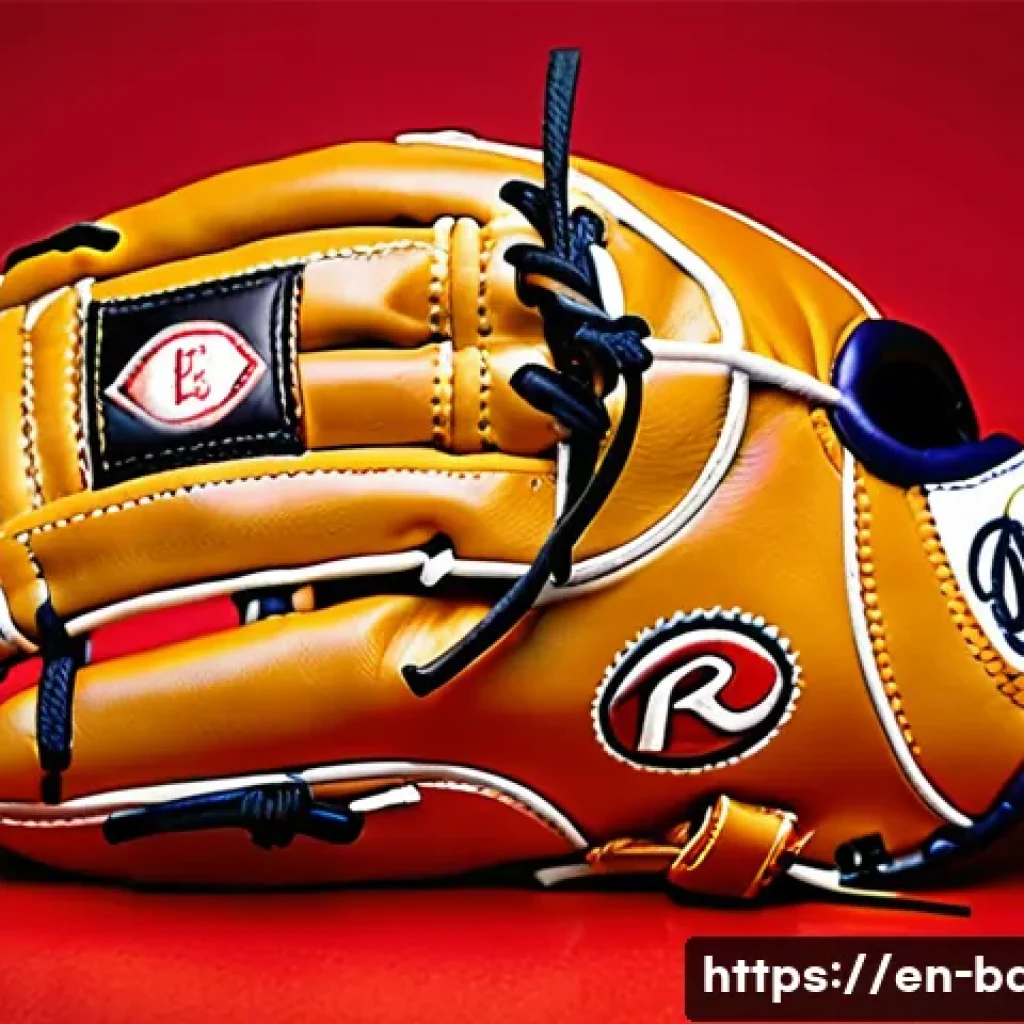
Alright, fellow baseball fanatics, let’s get down to some serious talk about what truly matters: your gear! I’ve been around the diamond for years, and one thing I’ve learned is that the right glove or bat isn’t just equipment; it’s an extension of your own skill and passion.
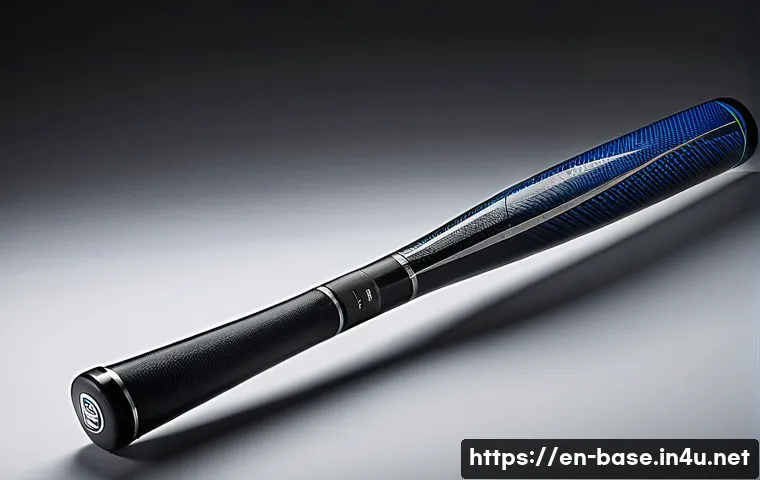
We all know the big names – Rawlings, Mizuno, Wilson, Marucci – but navigating the sea of options to find that perfect fit can feel like a curveball right when you least expect it.
I’ve personally put countless hours into testing, feeling, and even breaking in gear, trying to pinpoint those subtle differences that truly elevate your game.
From the latest ergonomic designs to innovative material science shaping the future of play, choosing wisely is crucial. I’ve definitely had my share of gear regrets, and I don’t want you to make the same mistakes.
So, if you’re looking to cut through the hype and discover the real MVP brands that will genuinely boost your performance on the field, I’ve got all the insider info for you.
Let’s dive right in and get the full scoop on what truly sets the best apart!
The Unrivaled Craftsmanship of Elite Gloves
When it comes to fielding, your glove isn’t just a piece of leather; it’s an extension of your hand, a trusted partner that can make or break a play. I’ve spent countless hours breaking in new mitts, feeling the subtle differences in leather quality, pocket depth, and web design.
It’s a deeply personal journey, finding that glove that just *feels right* from the moment you slip it on. I remember years ago, I stubbornly stuck with a cheap, stiff glove thinking I could just “break it in” harder.
Boy, was I wrong! It led to countless dropped balls and a lot of frustration. Investing in quality pays off in dividends, not just in performance but in the sheer joy of playing with a tool that responds to your every command.
The top-tier brands understand this intimate connection between player and glove, pouring decades of expertise into every stitch and cut. They’re not just selling a product; they’re offering a piece of baseball heritage, crafted to perform under pressure.
It’s truly incredible how the right glove can boost your confidence, knowing that when that hard-hit grounder comes your way, your glove is ready for it.
The feel of premium kip leather or steerhide, the way it molds to your hand over time – it’s an experience all its own, and one that elevates your game immediately.
Beyond the Leather: Understanding Glove Materials
Honestly, the material of your glove makes a world of difference, and it’s something I learned the hard way. Early in my playing days, I just picked whatever looked cool.
Big mistake! You’ve got options like kip leather, steerhide, and even synthetic blends, each with its own pros and cons. Kip leather, often found in high-end gloves, is usually lighter and breaks in faster, offering a premium, supple feel right out of the box.
Steerhide, on the other hand, is known for its durability and stiffness, requiring a more significant break-in period but ultimately offering a fantastic, long-lasting pocket.
I’ve personally owned gloves made from both, and while I love the quick comfort of kip, there’s something truly satisfying about shaping a steerhide glove over months into a perfect, personal fit.
Synthetic options are out there too, generally lighter and good for younger players or those on a budget, but they often lack the personalized feel and longevity of natural leather.
Choosing wisely means considering your position, your budget, and how much patience you have for the break-in process.
The Perfect Pocket: Web Styles and Their Impact
The web of your glove is another unsung hero, and it dramatically influences how you play your position. I’ve experimented with various web styles over the years, and each one genuinely changes the game.
For infielders, a shallower I-web or H-web allows for quicker transfers, which is crucial for turning double plays. I remember trying a deep basket web in the infield once – it was a nightmare!
The ball just got lost in there. Outfielders, however, often prefer a deeper trap web or basket web for securing those fly balls and concealing the ball from base runners.
Catchers, of course, have their own heavily padded mitts with unique designs built for absorbing high-velocity pitches. Pitchers also tend to favor closed webs, like a two-piece solid or modified trap, to hide their grip from batters.
Understanding these nuances isn’t just about looking cool; it’s about optimizing your performance and making those game-changing plays feel natural and effortless.
It’s those little details that really add up.
Power at the Plate: Unpacking the Best Bats
Stepping up to the plate with the right bat in your hands? That’s a feeling that’s hard to beat. It’s like having a superpower!
I’ve gone through my share of bats over the years, from those early, heavy aluminum beasts to the sleek composite models of today. And let me tell you, the evolution has been astounding.
What really makes a bat “the best” isn’t just the brand name; it’s how it feels in *your* hands, how it swings through *your* zone, and how it connects with *your* body.
I remember a period where I was struggling with my power, and my coach suggested I try a slightly end-loaded bat to see if it would help. It felt awkward at first, a bit clunky, but after a few hundred swings, something clicked.
My bat speed increased, and I started driving balls with more authority. It was a game-changer for me. The science behind bat construction – the alloys, the composite layering, the weight distribution – is incredibly intricate, and the top manufacturers are constantly pushing the boundaries.
They’re not just making sticks; they’re engineering performance tools designed to maximize exit velocity and sweet spot forgiveness. Finding that perfect balance between feel, power, and control is a quest every serious hitter undertakes, and it’s a deeply personal one that often involves a lot of trial and error.
Alloy vs. Composite: The Bat Material Debate
Oh, the age-old debate: alloy or composite? I’ve swung both extensively, and each has its distinct personality. Alloy bats, typically made from aluminum or a blend of metals, are known for their “hot” out-of-the-wrapper performance and their distinctive metallic ping when you make contact.
They’re generally more durable in colder weather, which is a big plus if you play in diverse climates. I’ve had alloy bats last me seasons, taking a beating and still delivering solid hits.
Composite bats, on the other hand, are crafted from layered carbon fiber, offering a larger sweet spot, reduced vibration on mis-hits, and a more muted sound.
They often require a “break-in” period, usually a few hundred swings, to reach their full potential, but once they’re broken in, they can feel incredibly lively.
I personally love the feel of a broken-in composite bat; it feels like the ball just jumps off the barrel. However, they can be more susceptible to cracking in cold weather, so you have to be mindful of that.
Your league rules, budget, and personal preference will ultimately guide your choice here.
Weight Distribution and Sweet Spot Science
Ever wonder why some bats feel so much better than others, even if they’re the same length and weight? It often comes down to weight distribution – whether a bat is balanced or end-loaded – and the size and forgiveness of its sweet spot.
A balanced bat distributes its weight evenly throughout the barrel, making it easier to swing for increased bat speed and control. These are often preferred by contact hitters or players who prioritize quick hands through the zone.
I tend to lean towards balanced bats myself, as I value consistent contact. End-loaded bats, conversely, have more weight concentrated towards the end of the barrel, creating more momentum and potentially more power on contact, albeit with a slightly slower swing speed.
Power hitters often gravitate towards these. Then there’s the sweet spot – that magical area on the barrel where the ball explodes off the bat with maximum force and minimal vibration.
Manufacturers use advanced technology to expand this sweet spot, making even slightly off-center hits feel solid. It’s a fascinating blend of physics and engineering, all designed to give you that extra edge at the plate.
Footwear Fundamentals: Cleats That Elevate Your Game
Honestly, I used to think any pair of cleats would do, as long as they had spikes. What a rookie mistake! The truth is, your cleats are your foundation on the field, connecting you to the ground and providing the traction you need to sprint, pivot, and slide with confidence.
I can distinctly remember a game where I wore an old, worn-out pair of cleats, and during a quick turnaround on a fly ball, my foot slipped. The ball went over my head, and I felt like such a goof.
From that day on, I paid serious attention to my footwear. The right cleats aren’t just about grip; they’re about comfort for those long doubleheaders, support to prevent injuries, and lightweight design that doesn’t slow you down.
The top brands put an incredible amount of research into outsole patterns, stud configurations, and cushioning technologies to ensure you have the best possible performance and protection.
It’s truly amazing how a well-designed pair can make you feel faster and more agile, allowing you to react instinctively without worrying about your footing.
They’re not just shoes; they’re performance enhancers!
Metal vs. Molded: Choosing Your Studs
The metal versus molded cleat debate is a classic, and each has its passionate defenders. I’ve played in both, and they definitely offer different experiences.
Metal cleats provide superior traction on dirt and grass, digging into the ground for explosive starts, quick cuts, and solid footing. For serious players, especially at higher levels of competition where the fields are often well-maintained, metal is often the go-to choice.
I love the aggressive grip metal cleats provide when I’m chasing down a fly ball or trying to steal a base. However, they can be banned in some youth leagues for safety reasons, and they can be quite uncomfortable on harder surfaces or artificial turf.
Molded cleats, with their fixed plastic or rubber studs, are a fantastic versatile option. They’re more comfortable on a wider variety of surfaces, generally more affordable, and safer for younger players.
While they might not offer the same aggressive bite as metal, their consistent performance across different field conditions makes them a reliable choice.
It really boils down to your league rules, the types of fields you play on, and your personal comfort preference.
Ankle Support and Cushioning: Keeping You on Your Feet
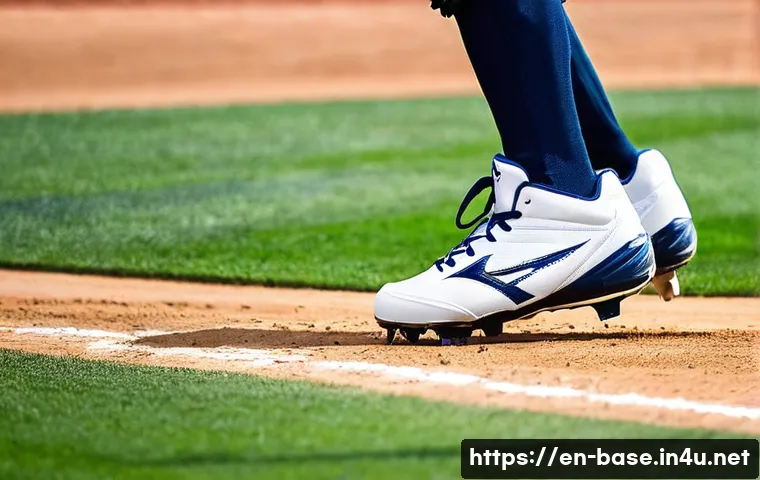
Beyond the studs, the overall construction of your cleats, particularly ankle support and cushioning, plays a massive role in your comfort and injury prevention.
I’ve rolled my ankle more times than I care to admit, and each time, it made me appreciate the importance of proper support. High-top cleats offer more ankle stability, which can be a lifesaver for players who frequently make quick lateral movements or have a history of ankle issues.
Mid-cut options provide a good balance between support and flexibility, while low-cut cleats offer maximum mobility for those who prioritize speed and agility.
Inside the cleat, the cushioning and insole technology are equally vital. Modern cleats incorporate advanced foams and shock-absorbing materials that help reduce the impact on your joints during explosive movements and long periods of standing.
I’ve found that a well-cushioned pair can significantly reduce foot fatigue by the end of a double-header, letting you play at your best for longer. Don’t underestimate the power of a comfortable, supportive cleat; your feet will thank you!
Beyond the Basics: Essential Catcher’s Gear
Alright, let’s talk about the unsung heroes behind the plate: catchers! Their gear isn’t just equipment; it’s armor. I’ve never been a full-time catcher, but I’ve put on the “tools of ignorance” a few times during practices, and let me tell you, it’s a whole different world back there.
The constant pounding, the foul tips, the blocking – catchers take a beating, and their gear has to be absolutely top-notch to protect them and help them perform.
I remember one time, during a scrimmage, our primary catcher took a foul tip right off the knee. He was wearing old, flimsy shin guards, and it clearly rattled him.
It made me realize just how critical it is to invest in quality protection. It’s not just about stopping pitches; it’s about framing, blocking, throwing out runners, and calling the game.
The specialized design of catcher’s mitts, chest protectors, and shin guards is a testament to the brutal demands of the position, and the leading brands truly understand how to blend protection with mobility.
The Catcher’s Mitt: A Wall of Defense
A catcher’s mitt is arguably the most specialized piece of equipment in baseball, and it’s built like a tank for good reason. It’s not just about catching; it’s about absorbing hundreds of pitches, often thrown at blistering speeds.
Unlike a regular fielder’s glove, a catcher’s mitt has extra padding, a unique shape, and a reinforced web designed specifically to withstand impact and provide a large, forgiving target.
I’ve always admired the craftsmanship that goes into these mitts; they’re incredibly stiff when new, requiring a serious commitment to break in. But once they’re molded to a catcher’s hand, they become an invaluable extension.
The best mitts offer a deep pocket that securely holds the ball, preventing passed balls, and a sturdy thumb and pinky loop for control. The material quality here is paramount; durable steerhide or full-grain leather is essential to withstand the constant abuse without breaking down too quickly.
It’s a huge investment, but a quality catcher’s mitt can last for many seasons, becoming a true partner behind the plate.
Chest Protectors and Shin Guards: Essential Armor
When it comes to the chest protector and shin guards, catchers aren’t just looking for basic padding; they need full-body armor that allows them to move freely.
I’ve seen firsthand how a poorly fitting chest protector can hinder a catcher’s ability to block pitches or throw to bases. The top chest protectors are designed with multi-layered foam padding strategically placed to protect vital areas, while also allowing for flexibility and breathability.
They often feature adjustable harnesses for a secure, custom fit, and some even incorporate advanced technologies to disperse impact force. Similarly, shin guards aren’t just glorified knee pads.
They provide comprehensive protection for the knees, shins, and even the tops of the feet, all while allowing the catcher to crouch, stand, and move fluidly.
The best models are lightweight, well-ventilated, and anatomically designed to contour to the leg, ensuring maximum coverage without restricting movement.
It’s a constant battle for manufacturers to balance impenetrable protection with the need for agility, and the leading brands have truly nailed it, giving catchers the confidence to play fearlessly.
Protective Measures: Helmets and Fielding Masks
Safety first, always! This isn’t just a cliché; it’s a non-negotiable rule in baseball. I’ve seen enough scary moments on the field to know that protective gear isn’t just for looks – it’s absolutely vital.
From blistering line drives to errant pitches, the baseball field can be a dangerous place, and protecting your head and face is paramount. I distinctly remember a close call during a high school game where a batter fouled a ball straight back, and it ricocheted off the catcher’s helmet with a sickening thud.
If he hadn’t been wearing a high-quality helmet, the outcome could have been drastically different. It’s not just catchers, though. Pitchers, especially in younger leagues, and even infielders are increasingly opting for face protection, and frankly, I think it’s a smart move.
The technology in helmets and masks has come a long way, offering incredible protection without sacrificing visibility or comfort. It’s all about playing with confidence, knowing you’re well-protected.
Batting Helmets: Beyond Basic Head Protection
A batting helmet is more than just a piece of plastic; it’s a carefully engineered safety device designed to withstand significant impact. I’ve always been a firm believer in wearing a well-fitting helmet, and I encourage every player to invest in one.
The best helmets utilize advanced foam padding, often multi-density, to absorb and disperse impact forces from high-speed pitches or foul tips. They’re rigorously tested to meet stringent safety standards, and manufacturers are constantly innovating with shell materials and internal designs to enhance protection without adding unnecessary bulk.
Many modern helmets also feature integrated jaw guards or C-Flaps for added facial protection, which I highly recommend. I’ve seen enough dental emergencies from errant pitches to know that extra facial coverage is a no-brainer.
Beyond protection, comfort and ventilation are also key. A well-designed helmet will have strategic vents to keep your head cool, and a comfortable fit that doesn’t distract you at the plate.
It’s about feeling secure and focused, not hot and bothered.
Fielding Masks and Pitcher’s Headwear: A Growing Trend
While traditionally not as common for fielders, the trend of wearing protective masks, especially for pitchers and even some infielders, is definitely growing, and for good reason.
I’ve witnessed too many close calls where a wicked line drive has whizzed past a pitcher’s head or taken a bad hop at an infielder. For younger players, particularly, a fielding mask can provide invaluable peace of mind for both the player and their parents.
These masks are designed to be lightweight and offer excellent peripheral vision, so they don’t hinder performance. They use durable materials like polycarbonate for the mask and strong, yet comfortable, padding for the headpiece.
While some older players might still resist, arguing about aesthetics or perceived limitations, I see it as a smart, proactive step towards injury prevention.
The confidence that comes with knowing your face is protected, especially when facing hard-hit balls, can actually enhance a player’s focus and fearlessness on the field.
It’s about prioritizing safety so you can play your best without constant worry.
The Evolution of Materials: What’s New and What’s Next
Baseball gear isn’t stagnant; it’s constantly evolving, driven by incredible advancements in material science and manufacturing techniques. I’ve been playing long enough to see gear transform from basic leather and aluminum to highly engineered composites and advanced textiles.
It’s genuinely thrilling to witness how innovative materials are pushing the boundaries of performance, durability, and comfort. Remember when everyone just used heavy leather gloves that took ages to break in?
Now, we have specialized leathers that offer fantastic feel right out of the box, or even synthetic options that are incredibly lightweight and durable.
The same goes for bats – the leap from simple aluminum to multi-layered composites has been revolutionary, unlocking new levels of power and feel. It’s not just about making things stronger; it’s about making them lighter, more responsive, and more comfortable.
This constant innovation is what keeps the game exciting, and it means that there’s always something new and improved to consider when you’re looking to upgrade your setup.
It’s a testament to the dedication of these brands to constantly improve the athlete’s experience.
Advanced Composites and Alloys in Bats
The battle for the best bat often comes down to the science of its materials. We’re well past the days of simple one-piece aluminum bats. Today’s top bats often feature aerospace-grade alloys and multi-layered composite designs that are incredibly complex.
For alloys, manufacturers are experimenting with proprietary metal blends, heat treatments, and even internal wall variations to create barrels that are both incredibly strong and springy.
The goal is to maximize the “trampoline effect” – how much energy is transferred back to the ball – without sacrificing durability. Composite bats are even more intricate, with multiple layers of carbon fiber, resin, and often vibration-dampening materials strategically placed to create massive sweet spots and minimize sting on mis-hits.
I’ve swung bats that feel almost alive in your hands, the ball just exploding off the barrel. These advanced composites often go through rigorous testing and specific break-in procedures to unleash their full potential.
It’s a fascinating blend of engineering and chemistry, all focused on helping you hit the ball farther and harder.
Textile Innovations in Apparel and Fielding Gear
Beyond bats and gloves, the materials revolution is also transforming apparel and other fielding gear. Think about uniforms – they’re no longer just heavy cotton.
Modern jerseys and pants are made from moisture-wicking, breathable fabrics that keep players cool and dry, enhancing comfort and performance during long games under the sun.
I’ve definitely felt the difference on a hot day! For catcher’s gear and protective equipment, manufacturers are incorporating lightweight, impact-absorbing foams and durable, abrasion-resistant textiles that offer superior protection without the bulk.
For instance, some chest protectors now use advanced cellular foams that are incredibly effective at dissipating force while remaining thin and flexible.
Even socks and compression gear are seeing innovation, with targeted compression zones and specialized fibers designed to improve blood flow and reduce muscle fatigue.
It’s clear that every piece of gear, down to the smallest detail, is being scrutinized and improved with cutting-edge materials to give players every possible advantage.
| Gear Type | Brand A (e.g., Rawlings) | Brand B (e.g., Mizuno) | Brand C (e.g., Wilson) |
|---|---|---|---|
| Baseball Gloves | Renowned for premium steerhide, Pro Preferred, Heart of the Hide series. Excellent durability and traditional feel. A favorite among pros. | Known for supple kip leather, high-quality Japanese tanned leather. Often lighter and quicker break-in. Craftsmanship is top-tier. | Offers a diverse range, including A2000 and A2K series. Known for innovative designs, consistent quality, and a comfortable fit. |
| Baseball Bats | Focuses on wood bats (e.g., maple, birch) for pro players. Limited metal/composite offerings. | Strong presence in metal and composite bats, especially in youth and high school leagues. Often praised for balance and pop. | Excellent selection of composite and alloy bats, especially with its DeMarini and Louisville Slugger acquisitions. Known for power and sweet spot. |
| Cleats | More focused on gloves and bats. Limited selection in footwear, often partnering with other brands. | Offers a strong line of cleats known for comfort, durability, and a variety of stud configurations suitable for different field types. | Features a wide range of cleats, including designs for speed, support, and specialized positions. Often integrates advanced cushioning. |
Customization vs. Off-the-Shelf: Finding Your Perfect Fit
Let’s be real, when it comes to baseball gear, one size definitely does *not* fit all. We’re all built differently, we play different positions, and we have unique preferences.
That’s why the debate between off-the-shelf gear and custom-made equipment is so fascinating. For years, I just bought whatever was available at the local sporting goods store, thinking “good enough.” And for a while, it *was* good enough.
But as I got more serious about the game, I started to notice how small compromises in fit or feel could impact my performance. The right gear isn’t just about brand recognition; it’s about finding that perfect synergy between you and your equipment.
Whether you’re customizing a glove down to the lace color or carefully selecting a bat with the exact weight distribution you prefer, the goal is the same: to create an extension of yourself that enhances every move you make on the field.
It’s truly a journey of discovery to find what truly clicks with your personal playing style.
The Art of Custom Gloves and Bats
There’s something incredibly special about a custom glove or bat. It’s like having a tailor-made suit, but for the baseball diamond! I’ve gone through the customization process for a glove once, choosing the leather type, the web pattern, the color scheme, even the embroidery – and let me tell you, when that glove arrived, it felt like it was already an extension of my hand.
The break-in was almost effortless because it was designed exactly for my preferences. Many top brands offer extensive customization programs for gloves, allowing you to fine-tune every detail to match your position and personal style.
The same goes for bats, especially with wood bats where you can specify barrel diameter, handle thickness, and knob style. While custom gear usually comes with a higher price tag and a waiting period, the investment in a piece of equipment that is perfectly suited to your needs can be a game-changer.
It’s not just about aesthetics; it’s about optimizing your performance with a truly personal touch.
The Benefits of Tried-and-True Off-the-Shelf Options
Now, before you think I’m saying everyone needs custom gear, let me clarify: there’s absolutely nothing wrong with off-the-shelf options! In fact, the vast majority of players, including many pros, rely on standard models from top brands, and for good reason.
Manufacturers spend millions on research and development to create “universal” designs that cater to a wide range of players. These production models are often readily available, more affordable, and have a proven track record of performance.
I’ve had some fantastic off-the-shelf gloves and bats that have served me incredibly well. The key is to do your research, read reviews (especially from players with similar builds or playing styles), and if possible, try the gear on before you buy it.
Go to a sporting goods store, swing a few bats, try on different gloves. That hands-on experience is invaluable. You might find that a standard model fits your needs perfectly, offering incredible value and immediate availability without the wait and expense of customization.
It’s all about finding what works best for *you* and your game.
Wrapping Things Up
And there you have it, folks! It’s been quite a journey diving deep into the world of baseball gear, hasn’t it? I truly hope sharing my experiences and insights has helped you navigate the seemingly endless choices out there. Remember, your gear is more than just equipment; it’s an integral part of your performance and your connection to the game. It’s about feeling confident, protected, and ultimately, having more fun on the field. So take your time, do your research, and trust your gut to find what truly feels right for *you*. Happy playing!
Useful Tips to Know
1. Prioritize Comfort and Fit Above All Else: I can’t stress this enough – if your gear isn’t comfortable, it’s going to hinder your performance, plain and simple. Whether it’s a glove, a bat, or cleats, make sure it feels right. A snug glove that allows for natural hand movement, a bat with a comfortable grip and balanced feel, and cleats that offer support without pinching are all non-negotiables. Don’t compromise on comfort, even if it means trying out a few different options before making a final decision. Your body will thank you during those long games or intense practices, and you’ll be able to focus entirely on the game. I’ve definitely learned that the hard way, playing through discomfort just to regret it later.
2. Invest in Quality Where It Counts: While it’s tempting to save a few bucks, some pieces of gear are worth the extra investment. Think about your glove – a quality leather glove, while pricier, will break in better, last longer, and perform more reliably than a cheaper synthetic option. The same goes for protective gear like helmets and catcher’s equipment. These items are designed to keep you safe, and cutting corners here is never a good idea. For items you use every single game, the durability and performance boost from higher quality materials often outweighs the initial cost difference over the lifespan of the product. Trust me, the frustration of gear breaking down mid-season is not worth it!
3. Understand Your Position’s Specific Needs: Every position on the field has unique demands, and your gear should reflect that. An infielder needs a shallower glove for quick transfers, while an outfielder benefits from a deeper pocket. Catchers require robust protection and a specialized mitt, and pitchers often prefer closed webs. Don’t just grab a general-purpose item; research what works best for your role. When I switched from playing a bit of infield to mostly outfield, upgrading to a deeper web felt like a superpower; it really made a difference in securing those deep fly balls. Tailoring your equipment to your position can significantly enhance your effectiveness and confidence.
4. The Break-In Process is Crucial (Especially for Gloves): A new glove, especially one made from quality leather, isn’t ready for prime time right out of the box. It requires patience and dedication to properly break it in. Don’t rush it with quick fixes! Play catch, use a mallet, work oil into the leather – whatever method you prefer, do it gradually and consistently. A well-broken-in glove becomes an extension of your hand, forming a personalized pocket that will reliably secure the ball. I’ve seen players ruin good gloves by trying to speed up the process too aggressively, and it’s always a shame to see. Take the time, and you’ll be rewarded with a glove that feels just right.
5. Stay Updated on League Rules and Safety Standards: This might sound basic, but it’s incredibly important. Bat regulations (BPP, BBCOR, USA Baseball) change, and some leagues have specific rules about metal vs. molded cleats or even protective masks. Always double-check your league’s current guidelines to ensure your gear is compliant. Safety standards also evolve, with manufacturers constantly improving designs to protect players better. Keeping an eye on these updates ensures you’re playing with legal and, most importantly, safe equipment. You don’t want to show up to a game only to find your favorite bat isn’t allowed, or worse, that your protective gear isn’t up to par. Always be informed!
Key Takeaways
Choosing the right baseball gear is a deeply personal and incredibly impactful decision that can elevate your game and ensure your safety on the field. From the moment you try on a glove to the feeling of a perfectly weighted bat, every piece of equipment plays a vital role in your performance and confidence. I’ve learned firsthand that investing time in research and selecting quality gear tailored to your position and playing style isn’t just a recommendation, it’s a necessity for serious players. Prioritize comfort and fit to avoid distractions and potential injuries, and remember that for critical items like protective equipment and high-performance gloves, quality truly makes a difference in both durability and effectiveness. Don’t be afraid to try different options, understand the nuances of materials like alloy versus composite, and always stay informed about the latest advancements and safety regulations in the sport. Ultimately, your gear should feel like an extension of yourself, empowering you to play your best and enjoy every moment on the diamond. It’s about that perfect synergy between player and equipment that makes the game truly unforgettable.
Frequently Asked Questions (FAQ) 📖
Q: With so many awesome brands like Rawlings, Wilson, and Mizuno dominating the market, how do I figure out which baseball glove is truly the best for my game?
A: This is a question I get all the time, and believe me, I’ve been there, staring at a wall of beautiful leather, wondering which one would become my next on-field companion.
The truth is, there’s no single “best” glove that magically works for everyone. It’s really about finding the best glove for you based on a few critical factors that I’ve learned through countless hours of play and breaking in dozens of mitts.
First off, consider your position. Infielders generally want a smaller glove with a shallower pocket for quick transfers, often ranging from 11 to 11.75 inches for youth players and 11.25 to 12.25 inches for adults.
Outfielders, on the other hand, typically need a larger glove, usually between 12.5 to 12.75 inches for adults, with a deeper pocket for tracking down fly balls and securing the catch.
Pitchers often opt for a glove size similar to infielders but with a closed web to hide their grip. Beyond size, the feel is paramount. A quality glove, like the Rawlings Heart of the Hide or Wilson A2000, offers premium craftsmanship and durable leather that molds to your hand over time.
I’ve found that some brands, like Wilson, are often praised for how nicely their gloves break in and conform to your hand. While Rawlings is often touted for its durability, Mizuno is respected for its comfortable fit and grip.
Don’t just pick a brand because it’s popular; try it on, feel the leather, and simulate catching and transferring a ball. Does it feel like an extension of your hand?
Can you easily squeeze it closed? Pay attention to the pocket design and how easily you can transfer the ball. Ultimately, a glove that feels comfortable and gives you confidence is going to be your MVP, regardless of the label inside.
Q: With new bat technologies constantly emerging, like composite materials and smart sensors, how do I know if I’m choosing a bat that truly enhances performance rather than just falling for marketing hype?
A: Oh man, the bat market can be a wild ride, right? Every year there’s a new “game-changer,” and it’s easy to get swept up in the excitement. From my experience, the biggest mistake players make is thinking an expensive bat automatically translates to better hitting.
That’s just not how it works! What does work is understanding how different technologies genuinely impact your swing and finding what complements your unique hitting style.
Modern bats, whether aluminum, composite, or hybrid, all offer distinct advantages. Composite bats, for instance, are known for a larger sweet spot and reduced vibration, which can feel amazing on contact, though they often require a break-in period and might not perform as well in colder weather.
Aluminum bats, on the other hand, are durable and ready to go right out of the wrapper, offering a more balanced feel. Hybrid bats combine the best of both worlds, often with an alloy barrel and a composite handle, aiming for a balance of durability and reduced vibration.
Then there are the “smart bats” and sensors, which are becoming more prevalent, especially in training. Brands like Blast Motion and Zepp are integrating sensors that give you real-time data on swing speed, bat angle, and impact location.
While you won’t use these in a game (league regulations typically prevent it), they are incredible tools for practice, allowing you and your coaches to get objective feedback and pinpoint areas for improvement.
I’ve personally used these, and the insights they provide can be a real eye-opener, helping you refine your mechanics in ways you simply can’t see with the naked eye.
When choosing, don’t just chase the highest exit velocity numbers from online reviews. Consider your own strengths as a player: Are you a power hitter who might benefit from an end-loaded bat, or a contact hitter who thrives with a more balanced swing weight for speed and precision?
Also, always check your league’s regulations for bat certifications like BBCOR, USSSA, or USA Baseball. The right bat for you is one that feels comfortable to swing, allows you to cover the strike zone effectively, and, most importantly, instills confidence every time you step up to the plate.
Don’t be afraid to demo different models, even if it means visiting a physical store before buying online.
Q: I just got a brand new, stiff baseball glove, and I’m eager to get it game-ready. What’s the best way to break it in so it feels like a natural extension of my hand, without damaging the leather?
A: A new, stiff glove is both a blessing and a curse, isn’t it? That fresh leather smell is amazing, but trying to catch anything with it feels like you’re wearing a cardboard box!
I’ve broken in enough gloves to know that patience and consistency are your best friends here. You want that glove to mold to your hand and your catching style, not just become soft.
The absolute best way to break in a glove, hands down, is simply by playing catch. Seriously, just get out there and throw the ball around as much as possible.
The repeated impact of the ball and the natural motion of opening and closing the glove will gradually soften the leather and create a personalized pocket.
This method ensures the glove breaks in specifically to your hand structure and how you play, which is crucial for comfort and control. Now, to speed things up a little, there are some safe techniques I’ve personally found effective.
You can start by repeatedly bending the thumb and pinky sections back and forth to loosen those stiff hinge areas. Placing a baseball in the pocket and securing the glove with rubber bands overnight can help form a nice, deep pocket.
Some players, myself included, will gently work the pocket with a wooden mallet or even throw a ball into it repeatedly to create that perfect ball-catching “valley”.
A little bit of moisture can help, but you have to be careful! I’ve used a small amount of warm water applied sparingly to stiff areas, followed by working the glove.
Never soak your glove or use harsh chemicals, and absolutely avoid putting it in the microwave or oven, as these can severely damage the leather and ruin its integrity.
And while old-school methods sometimes mention shaving cream, many modern creams can actually dry out the leather, so I’d steer clear of that myth. After working it, let it air dry naturally.
Remember, a properly broken-in glove should feel like it’s a part of you, allowing you to catch and transfer the ball seamlessly. It might take a few weeks or even a few months to get it truly game-ready, but trust me, the effort you put in will pay off every time you make a spectacular play.
And don’t forget to maintain it by occasionally conditioning the leather and checking the laces to keep its shape over time.