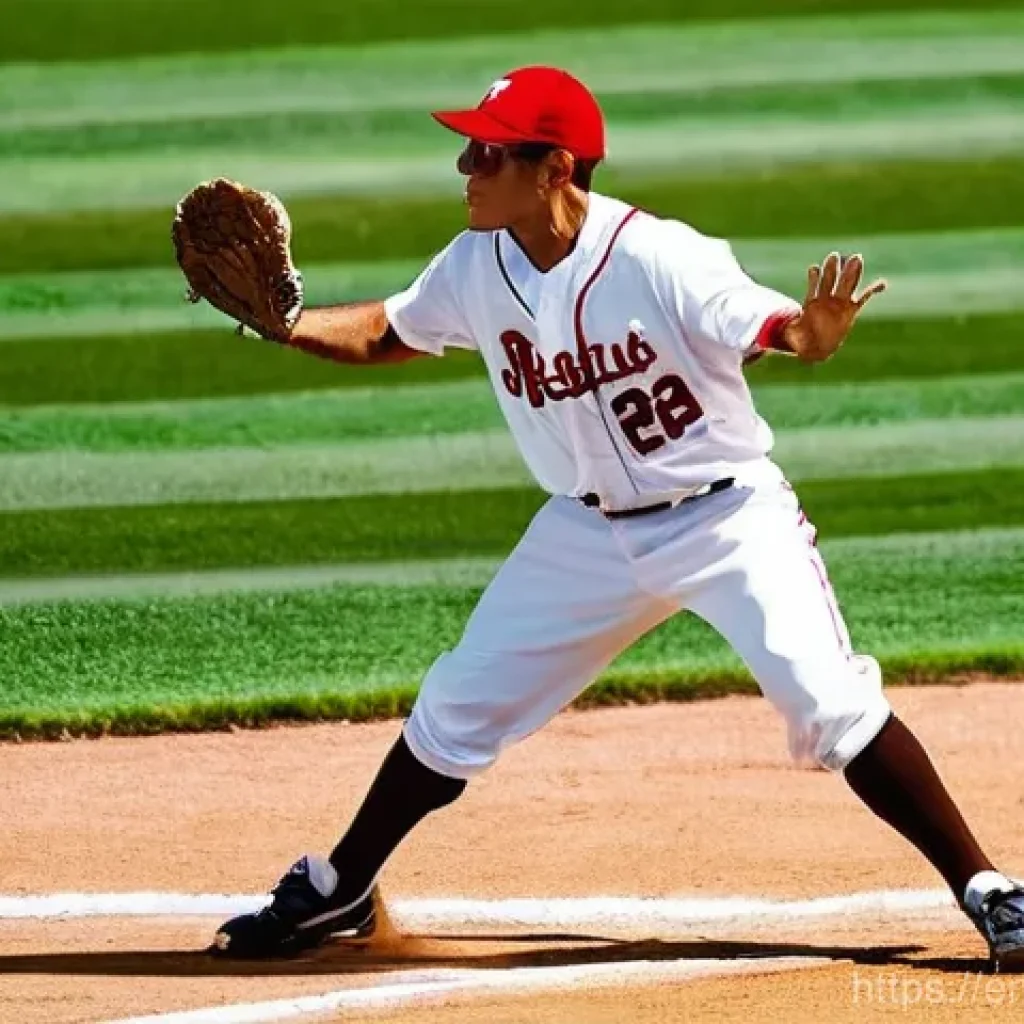
Hey there, fellow baseball fanatics! You know that feeling when you step onto the diamond, the dirt beneath your feet, the anticipation buzzing in the air?
It’s pure magic. But let’s be real, that magic can quickly turn into misery if your cleats aren’t up to par. As someone who’s spent countless hours pounding the field – from scorching summer days to unexpected muddy skirmishes – I’ve learned that your baseball footwear isn’t just an accessory; it’s a foundational piece of your game.
It can seriously impact everything from your sprint speed to your pivot power, even helping to prevent those dreaded ankle rolls. Over the past few seasons, I’ve seen some incredible advancements in cleat technology.
Brands are pushing boundaries with super lightweight, breathable materials that feel like a second skin, and cushioning systems so responsive they almost propel you to the next base.
We’re talking about innovations designed not just for comfort, but for genuine performance gains and even injury prevention through enhanced stability and ground force production.
But with so many options out there – metal, molded, turf, low-tops, high-tops, specialized designs for every position imaginable – how do you even begin to pick the right pair?
It can feel overwhelming, right? Trust me, I’ve been there, sifting through endless choices to find that perfect blend of grip, stability, and comfort that truly elevates my play.
I’ve personally put some of the latest models through their paces, from New Balance’s renowned comfort to Nike’s cutting-edge traction, and I’m genuinely excited to share what I’ve discovered.
Picking the right pair could be the difference-maker this season. Let’s dive into the details below and get you game-ready!
The Ground Beneath Your Feet: Decoding Cleat Types for Peak Performance
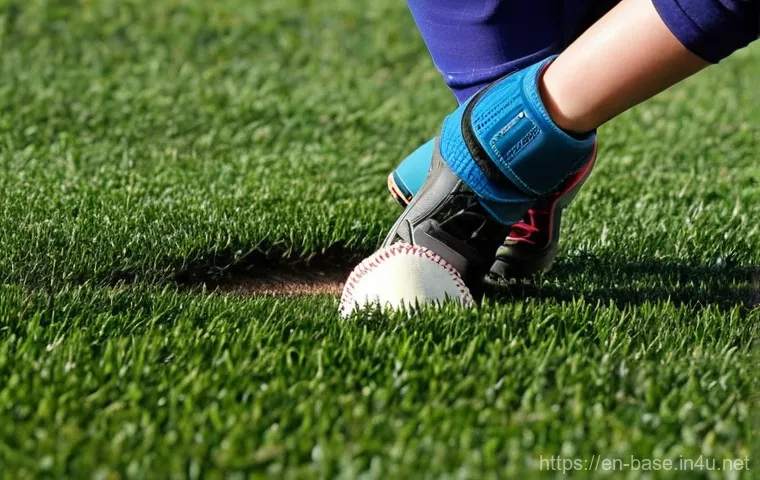
Metal vs. Molded: A Gripping Debate
Alright, let’s talk about the foundation of your game – the literal ground you cover. This is where the metal versus molded cleat debate really heats up, and trust me, I’ve had my share of fiery discussions in the dugout about this.
For years, I was a die-hard metal cleat guy, convinced that nothing else offered the same aggressive bite into the dirt. And honestly, for a long time, that was true.
Metal cleats, with their sharp, narrow studs, dig deep, giving you unparalleled traction for quick pushes off the mound, explosive jumps for a fly ball, or that crucial burst out of the batter’s box.
When the field is firm and dry, I feel like I’m glued to the earth, able to change direction on a dime. But here’s the kicker: they can be brutal on your feet over a long season, especially on harder infields, and some leagues (especially youth leagues) have banned them for safety reasons.
You’ve got to know your league’s rules inside and out before you even think about lacing up metals. Molded cleats, on the other hand, have come a ridiculously long way.
Forget those clunky, plastic spikes from back in the day; today’s molded cleats feature incredibly intricate patterns and durable rubber or TPU studs that are designed to mimic the traction of metal in many conditions, but with far greater comfort.
I remember trying a pair a few seasons ago, skeptical, but by the end of the first practice, my feet felt so much happier. They distribute pressure more evenly, making those long tournaments or double-headers far more manageable.
Plus, they’re way more versatile for varying field conditions – think slightly damp outfield grass or a hard-packed infield. They’re also a safer bet, reducing the risk of injuries to other players.
For me, it often comes down to the specific conditions and how my body feels that day. If I know I’ll be on a pristine, well-maintained field, I might lean towards metal for that extra edge, but for everyday practice or slightly less-than-perfect conditions, molded cleats are my go-to for their blend of grip and comfort.
It’s truly a personal preference, and experimenting is key.
Turf Shoes: Your Secret Weapon Off the Diamond
Now, let’s not forget the unsung hero of baseball footwear: turf shoes. Oh man, these are an absolute game-changer, and if you don’t have a pair, you are seriously missing out!
I used to just wear my molded cleats everywhere – batting cages, pre-game warm-ups on pavement, even casual catch in the park. My poor cleats took a beating, and my feet were not happy.
Then I finally wised up and invested in a quality pair of turf shoes, and it was like a lightbulb went off. Turf shoes are specifically designed for artificial surfaces, batting cages, gym workouts, and even just walking around the complex between games.
They have a softer, more rubberized sole with numerous small nubs that provide excellent grip without tearing up artificial turf or being uncomfortable on hard surfaces.
What I’ve noticed immediately is the comfort. They feel more like athletic sneakers than traditional cleats, offering fantastic cushioning and flexibility.
This means less fatigue in your feet and legs when you’re doing drills, taking BP, or even just coaching from the sidelines. I’ve found that using turf shoes for warm-ups and practices not only saves my game cleats from unnecessary wear and tear, but also significantly extends their lifespan.
It’s a smart investment that pays off in both comfort and longevity for your primary game-day footwear. Plus, let’s be real, who wants to clomp around on concrete in metal spikes?
Turf shoes are the ultimate utility player for your feet, a crucial part of my gear bag that I genuinely can’t imagine playing without now.
Mastering Mobility: The Impact of Cleat Design on Your Agility
Low-Tops, Mid-Tops, or High-Tops: Finding Your Fit
Choosing the right cleat height – low-top, mid-top, or high-top – is a deeply personal decision, and it really boils down to how you feel on the field and what kind of support your body demands.
For years, I was strictly a low-top guy. I loved the feeling of unrestricted ankle movement, the freedom to sprint and cut without anything feeling like it was holding me back.
For players who rely heavily on quick lateral movements and bursts of speed, low-tops offer that lightweight, unencumbered feel. They’re often favored by outfielders and middle infielders who need to react instantaneously.
However, I’ve had my share of close calls with rolled ankles, and while some argue that ankle strength is more important than cleat height for prevention, there’s no denying that low-tops offer minimal direct ankle support.
Mid-tops are where I’ve landed for the past few seasons, and for me, they hit that sweet spot. They provide a bit more coverage around the ankle without feeling as restrictive as high-tops.
I find they offer a reassuring sense of stability, especially when making hard turns or landing awkwardly, without sacrificing too much of that quick-burst agility.
Many players, myself included, appreciate that extra bit of confidence they provide. High-tops, while offering the most ankle support, can feel a bit bulky and heavy for some.
They’re often preferred by pitchers or catchers who prioritize maximum stability during repetitive motions or intense crouching, where explosive, uninhibited ankle movement isn’t always the top priority.
I’ve seen some players swear by them for perceived injury prevention, especially if they have a history of ankle issues. Ultimately, it’s about finding that balance between the sensation of freedom and the feeling of secure support that allows you to perform at your best.
Lacing Systems & Fit: A Secure Foundation
Beyond the cleat height, the lacing system and overall fit are absolutely critical for performance and comfort. A poorly fitting cleat, no matter how technologically advanced, will simply hold you back.
I’ve tried cleats with traditional laces, speed lacing systems, and even some with BOA dials, and each has its pros and cons. Traditional laces, when tied correctly, offer fantastic adjustability.
You can really dial in the tightness across different parts of your foot, customizing the fit precisely to your foot’s unique shape. The downside, of course, is that they can come untied during intense play, which is incredibly frustrating in the middle of an inning.
I always double-knot mine now, a lesson learned the hard way after a sprint to first base ended with a tripped shoelace. Speed lacing systems, often found on lighter, more performance-oriented models, can be great for quick on-and-off and offer a generally snug fit.
However, I’ve found they sometimes lack the granular adjustability of traditional laces, meaning if the factory lacing pattern doesn’t perfectly match your foot, you might struggle to get that truly custom feel.
The overall fit – snug but not constricting, with enough room in the toe box for your toes to wiggle slightly – is paramount. My personal rule of thumb is that if a cleat feels uncomfortable or creates hot spots in the store, it’s only going to get worse on the field.
You need to feel locked in, like the cleat is an extension of your foot, not a separate piece of equipment. Taking the time to try on multiple brands and sizes, and walking around in them for a bit, is an investment that pays dividends in every single game.
Durability Meets Innovation: Investing in Your Game
Materials & Construction: Built to Last
When it comes to baseball cleats, the materials and construction are everything. You’re putting these shoes through intense stress – sprinting, sliding, quick pivots, and constant exposure to dirt, water, and everything else a baseball field throws at you.
So, investing in cleats built with quality materials isn’t just about extending their life; it’s about maintaining consistent performance throughout the season.
I’ve learned that lesson more times than I care to admit, having blown out toes, ripped seams, or had soles separate on cheaper models mid-season. Modern cleats utilize a fantastic array of materials, from synthetic leathers that offer excellent durability and a lightweight feel to advanced mesh and knit uppers that prioritize breathability and a sock-like fit.
What I look for now is a robust toe guard, especially if you’re a pitcher or tend to drag your foot. Reinforced stitching in high-wear areas is also a huge plus.
Brands are constantly innovating with durable yet flexible outsoles that can withstand repeated impacts and provide consistent traction without cracking or losing their bite.
Some cleats even feature waterproof or water-resistant treatments, which are a godsend during those unexpected rainy games or when playing on dew-soaked mornings.
My current pair has a reinforced toe cap, and I’ve noticed a significant difference in how well they’re holding up compared to previous models where the toe area was always the first to show significant wear.
It’s a testament to how much thought goes into balancing lightweight design with rugged construction these days.
Caring for Your Cleats: Longevity Hacks
Okay, this might sound obvious, but taking care of your cleats is probably the most overlooked aspect of cleat ownership, and it seriously impacts their lifespan and performance.
I used to just kick off my cleats after a game, leave them in my bag, and wonder why they felt crusty and smelled… well, like a locker room. Rookie mistake!
Now, after every game or practice, I make sure to give them a quick clean. A simple brush-off with a stiff brush to remove excess dirt and mud is key.
If they’re really caked, a damp cloth works wonders, but avoid soaking them. Letting them air dry naturally, away from direct heat (like a radiator, which can dry out materials and cause cracking), is crucial.
Another tip I swear by is rotating your cleats if you play frequently. Just like running shoes, giving your cleats a day or two to air out and decompress helps them retain their shape and cushioning.
I also use shoe trees or even just crumpled newspaper to help them dry faster and maintain their form, especially for leather cleats. And please, for the love of all that is holy, don’t throw them in the washing machine!
That’s a surefire way to ruin the adhesives and structural integrity. A little bit of consistent care goes a very long way. My current pair, with proper cleaning and airing out, has lasted me far longer than any pair before, and they still feel responsive and supportive.
It’s a small effort that pays off huge in the long run.
| Cleat Type | Best For | Key Benefits | Considerations |
|---|---|---|---|
| Metal Cleats | Elite players, dry/firm fields, maximum traction for quick bursts | Superior grip, explosive acceleration, precise cuts | Can be hard on feet, banned in some leagues, less versatile for varied conditions |
| Molded Cleats | All-around play, youth leagues, varied field conditions | Excellent balance of grip & comfort, safer, versatile | May offer slightly less aggressive bite than metal on firm fields |
| Turf Shoes | Artificial turf, batting cages, pre-game warm-ups, casual wear | Exceptional comfort, protects game cleats, excellent grip on hard/artificial surfaces | Not suitable for natural grass games |
Cushioning & Comfort: Your Feet Deserve the Best
The Importance of Responsive Cushioning
Let’s be real, your feet take a pounding out there on the diamond. Every sprint, every jump, every sudden stop sends shockwaves up your legs. That’s why the cushioning system in your cleats is absolutely non-negotiable for both performance and long-term foot health.
I used to think cushioning was just about “softness,” but I’ve learned it’s so much more nuanced. It’s about *responsive* cushioning – material that absorbs impact effectively but also gives you a spring back, helping propel you forward.
It’s the difference between feeling like you’re running on clouds and feeling like you’re pounding pavement with every step. I’ve experienced the agony of cleats with insufficient cushioning, where by the third inning, my feet felt like they were on fire.
Modern cleat technology has come so far, incorporating advanced foams and gel inserts that rival the best running shoes. Brands are utilizing proprietary cushioning compounds that are lightweight, durable, and engineered to provide optimal energy return.
When I tried on a pair with really well-integrated cushioning for the first time, it was an immediate revelation. My legs felt fresher later in games, and those nagging aches and pains in my arches and heels significantly diminished.
It allows me to focus on the game, not on my discomfort. For me, especially as I’ve gotten a little older, prioritizing cushioning has become a top factor in my cleat selection, ensuring I can sustain a high level of play without my feet screaming at me.
Insoles and Arch Support: Customizing Your Comfort
Beyond the built-in cushioning, the often-overlooked hero of cleat comfort is the insole. Most cleats come with a basic, removable insole, but if you’re serious about comfort and support, exploring aftermarket insoles can be a game-changer.
I have a slightly higher arch, and for years I struggled with foot fatigue and even plantar fasciitis. No matter how great the cleat, if the arch support wasn’t right for *my* foot, I was in trouble.
Once I started experimenting with performance insoles designed for athletic footwear, it made a world of difference. These aren’t just squishy pads; they’re engineered to provide targeted arch support, improve alignment, and enhance shock absorption where you need it most.
Swapping out the factory insoles for a pair that specifically addresses your arch type (low, neutral, or high) can significantly reduce pressure points, prevent hot spots, and improve overall stability inside the cleat.
I’ve personally found that a good pair of insoles, combined with quality cushioning, can transform an otherwise good cleat into a great one. It’s like tailoring the inside of the shoe to your unique foot mechanics.
It also adds another layer of comfort and can help with moisture-wicking, keeping your feet drier and reducing the risk of blisters. Don’t underestimate the power of a well-chosen insole; it’s a relatively inexpensive upgrade that can dramatically enhance your experience on the field.
The Science of Stability: Ankle Support and Injury Prevention
Lockdown and Lateral Movement: Staying Solid
When you’re flying around the bases, making a diving catch, or planting hard to throw to first, the stability your cleats provide is paramount. It’s not just about grip; it’s about how well your foot is locked into the shoe and how much lateral support it offers.
I’ve had cleats in the past where my foot felt like it was swimming inside, and that feeling of instability is not only unsettling but also a recipe for injury.
Modern cleats are engineered with sophisticated lockdown systems designed to cradle your foot and prevent unnecessary movement within the shoe, which is crucial for maximizing energy transfer and maintaining balance during dynamic play.
This often involves strategically placed overlays, internal straps, and refined lacing patterns that work together to create a secure, glove-like fit.
When I try on new cleats, I’m specifically looking for that feeling of my foot being firmly held without being compressed or restricted. I want to feel confident making sharp cuts and sudden changes in direction, knowing that my foot isn’t going to slide around inside the cleat.
The ability to push off laterally with full power and trust that my ankle isn’t going to roll is a huge confidence booster. It’s a testament to the advancements in cleat design that you can get such a secure fit without sacrificing comfort or flexibility.
Preventing the Dreaded Roll: Beyond Ankle Braces
Ankle injuries are unfortunately a common part of baseball, and while nothing can completely eliminate the risk, your cleats play a significant role in prevention.
While some swear by high-top cleats for maximum ankle support, the reality is that many modern low- and mid-top designs also incorporate features aimed at enhancing stability and reducing the likelihood of ankle rolls.
These often include wider outsoles, reinforced heel cups, and chassis designs that create a stable platform for your foot. I’ve found that a cleat with a broad, stable base instills far more confidence than one with a narrow footprint, especially when landing from a jump or pivoting quickly.
It’s also about the interplay between the cleat’s structure and the ground. Cleats with well-designed stud patterns that provide consistent ground contact, even on uneven surfaces, contribute to overall stability.
I’ve definitely noticed a difference in how secure I feel in cleats that have a more aggressive heel stud pattern, which helps anchor my foot when pushing off.
While cleat design can certainly help, it’s also important to remember that strong ankles are your best defense. Incorporating ankle strengthening exercises into your training routine, alongside choosing cleats that offer good inherent stability, is the ultimate one-two punch against those dreaded ankle rolls.
It’s all about building a foundation of support from the ground up.
Lightweight vs. Durable: Finding Your Performance Sweet Spot
The Featherlight Advantage: Speed and Agility
In today’s game, speed kills. Every gram saved on your feet can translate into a fraction of a second faster to first, a quicker read on a fly ball, or a more explosive jump for a steal.
That’s why the trend towards ultra-lightweight cleats has become so dominant, and frankly, I’m all for it. When I slip on a pair of cleats that feel almost like a second skin, there’s an immediate psychological boost.
I feel faster, more agile, and less encumbered. This weight reduction is achieved through innovative materials like feather-light synthetic uppers, minimalist cushioning, and streamlined outsole designs.
For players whose game revolves around quickness – think center fielders chasing down deep shots, middle infielders turning double plays, or speedy leadoff hitters – the lightweight advantage is undeniable.
I’ve personally experienced how shedding even a few ounces can make me feel more nimble, especially late in games when fatigue starts to set in. It allows for a more natural, uninhibited foot strike and a feeling of greater connection to the ground.
However, it’s a delicate balance. Sometimes, extreme lightness can come at the cost of long-term durability or robust protection. Finding that sweet spot where you get the speed benefits without sacrificing essential support or having your cleats fall apart mid-season is the challenge, but the best brands are really nailing it now.
Rugged Reliability: Enduring the Season’s Grind
While speed is critical, the reality is that baseball is a grueling, long season. Your cleats need to be able to withstand countless practices, games, and varied field conditions without falling apart.
That’s where durability comes into play, and it’s a factor I weigh heavily, especially as I’m not replacing cleats every few weeks. I’ve learned that investing in cleats built for rugged reliability ultimately saves money and prevents frustrating mid-season gear emergencies.
This means looking for quality stitching, reinforced stress points, and robust outsole construction that can handle abrasive dirt and turf without losing its integrity.
Materials like tough synthetic leathers, durable TPU plates, and reinforced toe caps are indicators of cleats designed to go the distance. While ultra-lightweight models are enticing, sometimes a slightly heavier, more robust cleat is the smarter choice for players who put a lot of wear and tear on their footwear, or for those who prefer maximum protection.
For catchers, for example, a more durable, protective cleat is often a priority given the constant kneeling and blocking. It’s about understanding your own playing style and the demands you place on your gear.
My current pair strikes a fantastic balance, offering enough lightness to feel quick, but with enough structural integrity that I’m confident they’ll hold up through the intense demands of a full season.
It’s a sweet spot where performance and longevity meet.
Position-Specific Cleats: Tailoring Your Footwear for Your Role
Pitcher’s Power: Stability on the Mound
As a pitcher, your cleats are an extension of your delivery. The demands placed on pitching cleats are incredibly unique – it’s all about generating maximum power through your drive leg and maintaining stable balance throughout your wind-up and follow-through.
I’ve seen pitchers try to get by with general-purpose cleats, and while it might work for a while, they’re often missing out on crucial support. Pitching-specific cleats often feature enhanced lateral stability to prevent slipping off the rubber, especially during the push-off phase.
They also tend to have more durable toe guards on the drive foot, as pitchers often drag their toe, wearing down standard cleat material at an alarming rate.
I remember talking to a college pitcher who swore by his specialized cleats, explaining how the reinforced medial side of his lead foot’s cleat prevented blowouts and gave him a more consistent landing.
The traction pattern is also key; it needs to allow for smooth rotation without sacrificing grip. A cleat that lets your foot rotate too freely can lead to instability and loss of power, while one that locks you down too much can put undue stress on your knee.
It’s a fine balance, but specialized pitching cleats are designed with this in mind, helping to optimize your mechanics and protect your feet and ankles through hundreds of pitches.
Fielder’s Flow: Agility and Quick Reactions
For infielders and outfielders, the name of the game is agility, quick reactions, and explosive bursts of speed. Your cleats need to allow for instantaneous changes in direction, rapid sprints, and confident stops without losing traction.
This means a lighter, more flexible design is often preferred, allowing for a more natural feel and quicker foot turnover. Outfielders, in particular, need cleats that provide excellent traction for chasing down fly balls in the gaps and making those crucial dives.
The ability to dig in and explode towards the ball without a hint of slippage is paramount. Infielders, on the other hand, require cleats that offer superior lateral stability for making quick cuts to range to their left or right, and for smooth pivots during double plays.
I’ve personally found that cleats with a slightly lower profile and a more responsive outsole work best for my movements in the infield. The ability to feel connected to the ground and react instantly is crucial.
The stud pattern for fielders is usually designed to offer multi-directional traction, supporting explosive movements in any direction. It’s all about enhancing that natural athleticism and making sure your feet are ready for whatever the ball throws at you.
Beyond the Baseline: Cleat Innovations to Watch For
Sustainable Solutions: Eco-Friendly Footwear
It’s no secret that the sports industry has a significant environmental footprint, and I’ve been really encouraged to see more and more cleat manufacturers starting to prioritize sustainability.
This isn’t just a trend; it’s a critical shift towards more responsible production, and it’s something I genuinely believe in supporting. We’re seeing innovations like cleats made from recycled plastics, plant-based materials, and production processes that reduce waste and water consumption.
I recently read about a brand experimenting with uppers made from repurposed ocean plastic, and I thought, “How cool is that?”The best part is, these sustainable options aren’t sacrificing performance.
Manufacturers are proving that you can be eco-conscious *and* create high-performance athletic footwear. This is a huge win for everyone – for the planet, and for players who want to feel good about the gear they’re wearing.
As consumers, by opting for brands that prioritize these sustainable practices, we can collectively push the industry towards a greener future. It’s a small but meaningful step, and honestly, it just feels better knowing my gear isn’t contributing unnecessarily to environmental issues.
This is definitely an area of cleat innovation that I’m keeping a close eye on and championing.
Smart Cleats and Data Tracking: The Future is Here
Okay, this one really blows my mind sometimes – the idea of “smart” cleats! We’re living in an era where technology is integrated into almost everything, and baseball cleats are no exception.
While still somewhat nascent, the concept of cleats with embedded sensors to track performance data is incredibly exciting. Imagine being able to get real-time feedback on your sprint speed, acceleration, ground contact time, or even the force generated during your push-off.
This kind of data could be an absolute game-changer for player development and performance analysis. I’ve experimented with external trackers on my cleats before, but the idea of seamless integration is next level.
This could allow coaches and players to identify subtle inefficiencies in mechanics, track fatigue levels, or even monitor recovery. For instance, if a sensor indicates a drop in explosive power, it could be a sign of overtraining or impending fatigue, prompting a day of rest to prevent injury.
While these types of cleats are still becoming mainstream, the potential is enormous. It’s another example of how footwear is evolving from a simple piece of equipment into a sophisticated performance tool, offering insights that were once only available in highly specialized labs.
The future of baseball footwear is definitely going to be exciting, and I can’t wait to see what else they come up with!
Wrapping Things Up
Whew! We’ve covered a lot of ground today, haven’t we? It’s clear that baseball cleats are so much more than just shoes with spikes; they’re truly the unsung heroes beneath your feet, silently impacting every single move you make on the field. From that explosive sprint to first, to a quick pivot on the mound, or ranging deep in the outfield for a fly ball, the right pair can make all the difference. My own journey through countless pairs has taught me that investing the time to understand your needs and finding that perfect fit isn’t just about comfort—it’s about unlocking your full potential and protecting your body, season after season. Seriously, don’t underestimate the power of good footwear! It’s an integral part of your uniform, your equipment, and ultimately, your performance and longevity in the game. Taking the time to really consider what works for you, your position, and the conditions you play in will pay dividends in every aspect of your game. Trust me on this one; happy feet make for a happy player!
Good to Know
Here are a few quick tips I’ve picked up over the years that I hope will save you some headaches and help you get the most out of your cleats:
1. Always try before you buy! Walk around, jog, and even do a few quick lateral shuffles in the store. How they feel in action is way more important than how they look on the shelf.
2. Know your league’s rules regarding metal vs. molded cleats. Nothing’s worse than showing up ready to play only to find out your spikes aren’t allowed!
3. Invest in a pair of turf shoes for practices and pre-game warm-ups. Your game cleats (and your feet!) will thank you for the break, extending their life and keeping you comfortable.
4. Clean your cleats regularly. A quick brush-off after each use prevents dirt buildup, maintains traction, and keeps them looking (and smelling!) fresher for longer. Air dry them, never machine wash!
5. Don’t be afraid to customize your insoles. If you have specific arch support needs or want extra cushioning, an aftermarket insole can transform the feel of your cleats and prevent common foot issues.
Key Takeaways
So, after diving deep into the world of baseball cleats, what’s the ultimate takeaway? It’s simple: your cleats are a cornerstone of your performance and an essential tool for injury prevention. We’ve explored how metal versus molded cleats each offer distinct advantages depending on field conditions and league rules, and why turf shoes are an absolute must-have for comfort and longevity off the main diamond. We also touched upon the critical role of cleat height, from low-tops for maximum agility to high-tops for enhanced ankle support, highlighting that a secure, personalized fit is paramount. Remember, the materials, construction, and proper care all contribute significantly to durability and consistent performance throughout a demanding season. Plus, with exciting innovations like sustainable materials and smart cleats on the horizon, the future of footwear is looking brighter than ever. Ultimately, it’s about making an informed decision that empowers you to play your best, stay comfortable, and protect your body on the field. Your feet carry you through every play, so give them the respect—and the gear—they deserve!
Frequently Asked Questions (FAQ) 📖
Q: How do I choose between metal, molded, and turf cleats?
A: This is honestly one of the most frequent questions I get, and it’s a huge decision! From my own time on the field, I can tell you that the type of cleat you pick is absolutely crucial for both performance and safety.
Metal cleats are the gold standard for serious competitive play on natural grass. They dig deep, giving you unparalleled traction for quick cuts, sprints, and powerful pushes off the mound or at the plate.
I remember a game where the grass was a little damp, and my metal spikes gave me the confidence to steal second without a second thought. But, and this is a big but, they’re not allowed in many youth leagues for safety reasons, and you definitely don’t want to wear them on artificial turf – they’ll tear it up and potentially injure you.
Molded cleats, on the other hand, are incredibly versatile. They have fixed rubber or plastic studs that are perfect for a wider range of surfaces, from firm natural grass to slightly softer turf.
They offer a great balance of grip and comfort, and frankly, they’re what I recommend for most players, especially those in youth leagues or who play on varying field conditions.
They’re more forgiving on your joints too, which is something I’ve personally come to appreciate after years of hard play. Then there are turf shoes. These are your best friend for practice on artificial turf fields, batting cages, or even just warming up.
They have a ton of small rubber nubs that provide grip without digging in too much, which is essential for protecting those artificial surfaces and your knees.
I always keep a pair of turf shoes in my bag – they’re a lifesaver for those pre-game drills and indoor sessions. Honestly, having the right cleat for the right surface can prevent so many frustrating slips and potential tweaks, and my experience confirms it every single time.
Q: Beyond just the type, what are the most crucial factors I should consider when picking a pair for my game?
A: This is where it gets really personal, and I love this question because it means you’re thinking seriously about your game! After trying countless pairs over the years, I’ve narrowed it down to a few non-negotiables.
First up, comfort and fit. Seriously, if they’re not comfortable from the moment you put them on, they’re not the right pair. I’ve made the mistake of trying to “break in” cleats that just didn’t feel right, and it led to blisters, hot spots, and totally distracted me from the game.
Look for a snug fit that’s not too tight, with enough room in the toe box. Brands like New Balance have really nailed the comfort aspect in my opinion, making long games much more enjoyable.
Next, stability and support. This is huge for injury prevention, especially around the ankles. Are you a pitcher who needs a lot of lateral support?
Or an outfielder who needs ankle protection for those diving catches? High-top, mid-top, or low-top cleats all offer different levels of support, and I’ve found that paying attention to how they cradle my foot and ankle makes a massive difference in how confident I feel making aggressive plays.
The internal support structure and heel cup are key here. Finally, traction tailored to your position. While all cleats offer grip, some are designed with specific movements in mind.
For example, a catcher might want excellent forefoot grip for quick explosive movements, while an outfielder needs studs that facilitate quick sprints and changes of direction.
I’ve noticed a real difference in brands like Nike that often integrate specialized stud patterns that genuinely enhance certain aspects of play. Think about your primary position and the movements you make most often, and try to find a cleat that complements that.
It’s like having a custom-made tool for your specific job on the field!
Q: With all the new tech, are expensive cleats really worth it, or can I get by with a more budget-friendly option?
A: Oh, the age-old question of “is it worth the splurge?” And trust me, as someone who’s bought a fair share of both high-end and budget-friendly cleats, I totally get it.
My honest take? It depends heavily on you as a player and your level of play. For a serious player who’s on the field multiple times a week, especially at a competitive level, investing in a higher-end cleat can absolutely be worth it.
What you’re paying for isn’t just a name; it’s often cutting-edge materials that offer superior lightweight performance, enhanced breathability, and advanced cushioning systems that truly absorb impact and return energy.
I’ve experienced firsthand how these technologies can reduce fatigue over a double-header and even provide better protection against repetitive stress injuries.
The durability often tends to be better too, meaning they might last longer, making the initial investment more palatable over time. For me, that extra edge in comfort and performance can make a tangible difference in my focus and effectiveness during a critical moment in the game.
However, if you’re a recreational player, playing once a week, or if you’re a parent outfitting a rapidly growing youth player, a mid-range or even budget-friendly option can be perfectly adequate!
Many brands offer fantastic value cleats that incorporate solid cushioning, decent traction, and good support without the premium price tag. You might not get the absolute lightest material or the most responsive foam, but you’ll still get a reliable and comfortable cleat that gets the job done safely.
I’ve recommended some excellent mid-tier models to friends and they’ve been perfectly happy. My rule of thumb: prioritize fit and fundamental support over all the bells and whistles if your budget is tighter.
Don’t feel pressured to buy the most expensive pair if it doesn’t align with your needs. The best cleat is the one that fits you well and makes you feel confident on the field, regardless of the price tag.